We decided to get up and leave early so we could enjoy breakfast somewhere along the Parkway. Without breakfast and dishes to do, time to get up, dress and pack up… 30 minutes.
It is cloudy and cool this morning. There is a large storm system south of us.
The Blue Ridge Parkway is a National Parkway and All-American Road in the United States, noted for its scenic beauty. The parkway, which is America’s longest linear park, runs for 469 miles (755 km) through 29 Virginia and North Carolina counties, linking Shenandoah National Park to Great Smoky Mountains National Park. It runs mostly along the spine of the Blue Ridge, a major mountain chain that is part of the Appalachian Mountains. Its southern terminus is at U.S. Route 441 (US 441) on the boundary between Great Smoky Mountains National Park and the Qualla Boundary of the Eastern Band of Cherokee Indians in North Carolina, from which it travels north to Shenandoah National Park in Virginia. The roadway continues through Shenandoah as Skyline Drive, a similar scenic road which is managed by a different National Park Service unit. Both Skyline Drive and the Virginia portion of the Blue Ridge Park.
We are entering the Blue Ridge Parkway at Asheville.
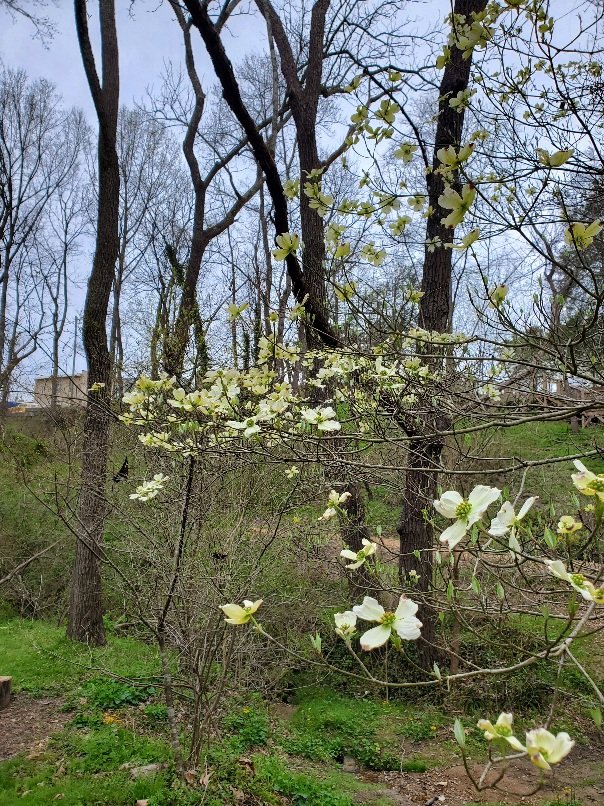
… and exiting the Blue Ridge Parkway, which was closed with no prior warning, 7 miles along. Very disappointing 😞. The route down from the closed Parkway was a bit steeper and curvier than we would have liked. The new route took us through the cute little village of Weaverville where we stopped at the Nature Park for breakfast (finally) and a short walk. The town was built along a gulley which had been turned, recently it would appear, into a delightful nature trail. Small reward for the disappointment of the Parkway. Now we had to completely rethink our day.
Almost all the attractions along our new route, which is basically back tracking the one we took to get to Asheville last November. Most of the outdoor attractions are still closed. I did however locate a quilt shop or two so all is not lost. And we get to drive through Tennessee again.
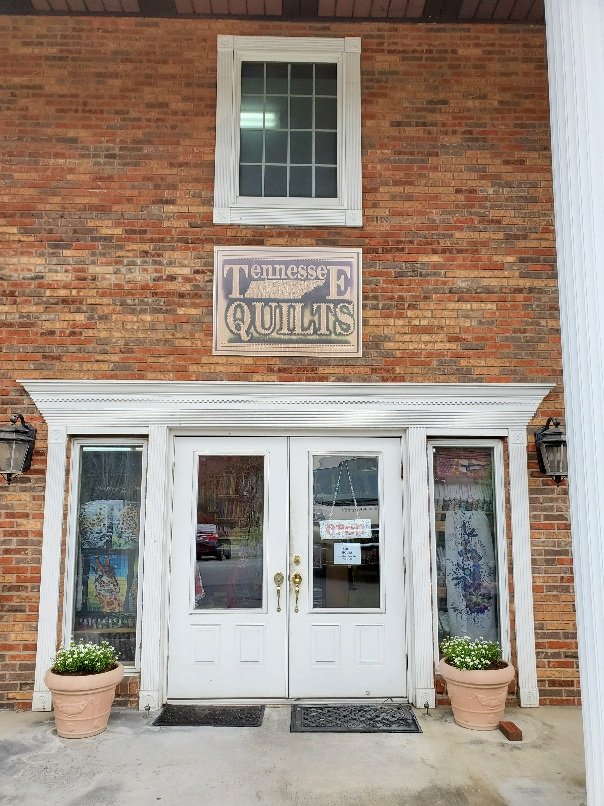
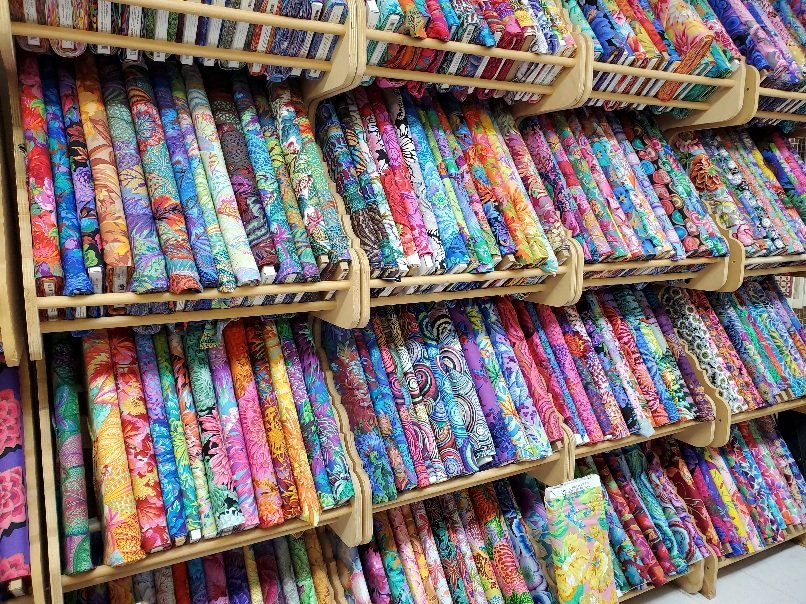
Getting off the highway and taking a cross country route to Jonesborough, TN was well worth the effort. Tennessee Quilts has all the major quilt fabric designers but specializing in Kaffe Fassett. I’ve never seen an entire wall of his fabric before. Eye candy for sure.
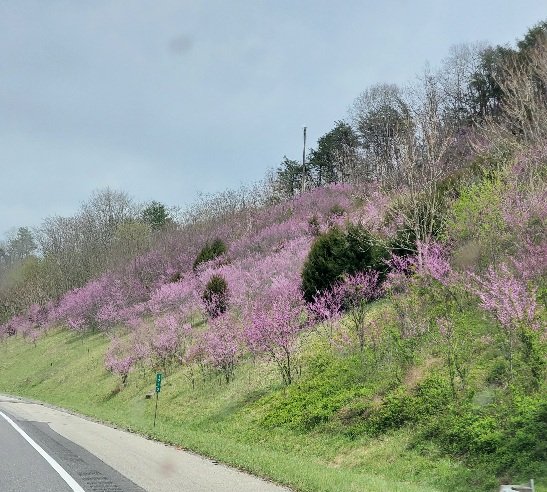
As we drive north, the trees are ‘unbudding’, like watching time roll backwards.
While we are on the subject of quilting, since I was hoping to write about the Blue Ridge Parkway today… will write about quilting in the Appalachia instead. I was wondering why there are so many quilt shops in this area.
The William King Museum in Abingdon, VA which is on our new route, has as its current exhibit, Reviving the Thread: Women’s 20th Century Quilting. Quoting their website “After centuries of quiltmaking in a domestic setting, the industrial changes of the 19th century drastically changed how quilts, blankets, and all textiles were made. Women no longer needed to master the art of quilting and weaving in order to provide warmth and comfort for their families and communities. Changes in factory production and women’s roles in society eliminated the need to quilt as domestic labor. Women around the United States progressively gave up the craft of quilting- but the women of Appalachia revived the art as a means of cultural preservation and craftsmanship that they passed down to their daughters, nieces, granddaughters, and community members.”
Meanwhile, my own attempt at hand quilting for the first time is coming along nicely although my fingers are a mess!
Many of the farm buildings as we drive through north east Tennessee into Virgina have ‘barn quilts’ painted on their outsides. Barn Quilts can be traced back to the start of our country. It is thought that early European immigrants may have brought the idea with them. Originally barns were not painted but had pieces of artwork hung on them to identify the owner and location.
Eventually examples of the “Quilt Blocks” began showing up on barns. Barn Quilts are simple geometric shapes (quilt blocks from quilting patterns) that are painted on wood and hung on buildings. Although most are traditionally displayed on barns, they can be and are hung on various buildings including homes, cabins, yard barns and even stores.
It is believed that this style of painting quilt patterns directly onto the wood and then hung onto barns originated in Pennsylvania and spread to the other colonies.
During the Revolutionary War, “Barn Quilts” were used to show American forces that an area was safe, secure, and supplies were available. Years later during the Civil War, the Underground Railroad used Barn Quilts for the same purposes
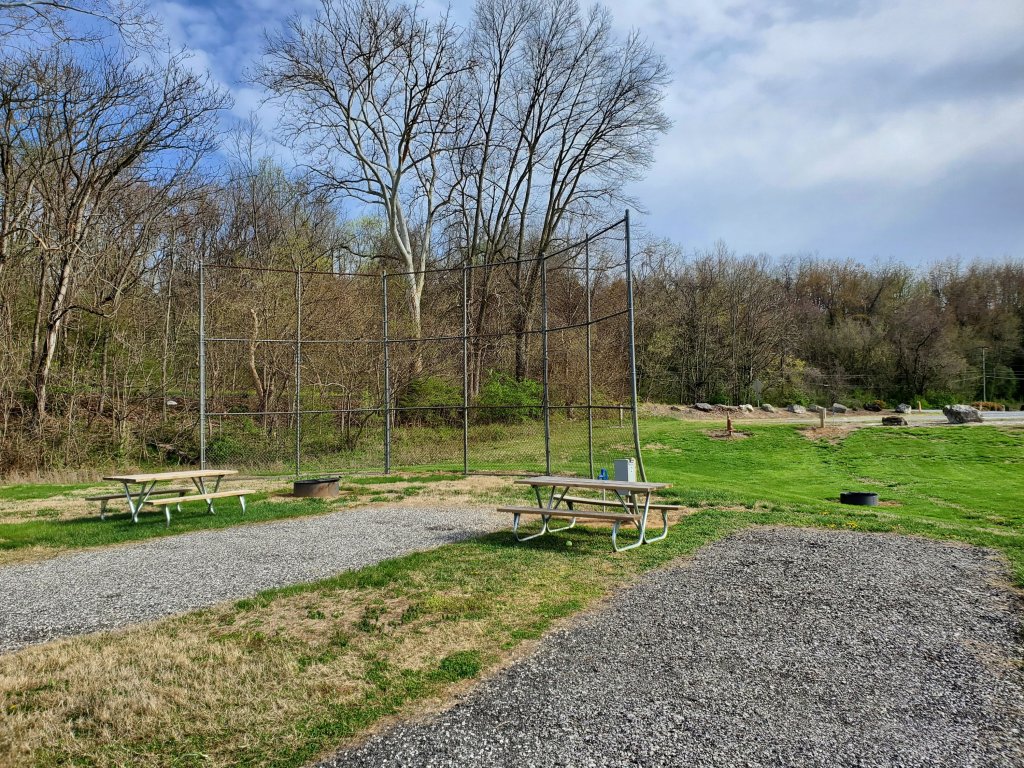
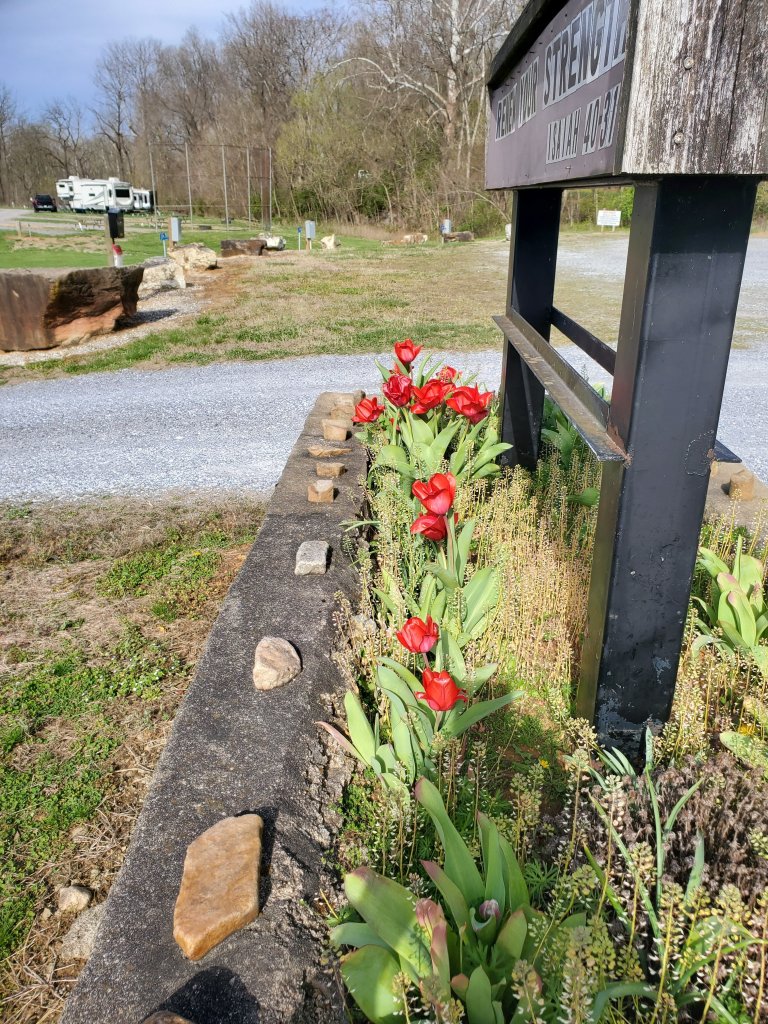
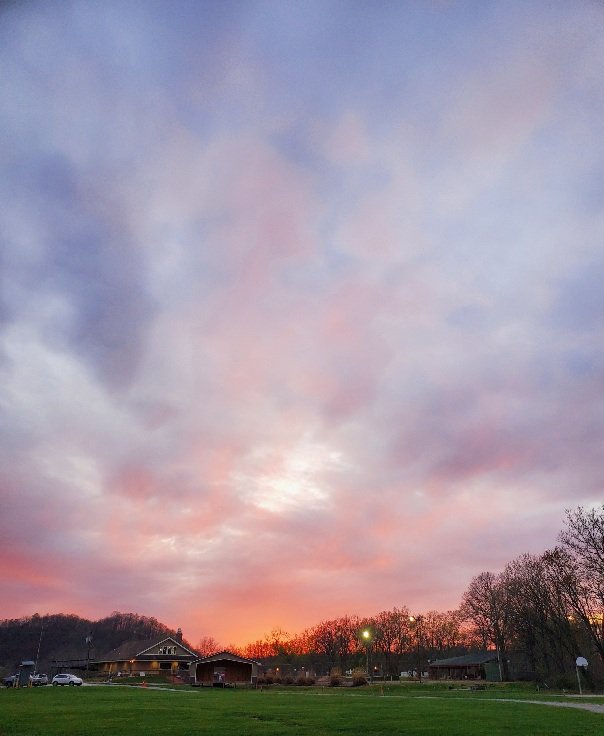
Our campsite tonight is interesting. It’s a church run site that has a swimming pool and other sports facilities for its members. During covid they used it for hosting outdoor services that were extremely popular. The baseball diamond is now the campground with water and electrical hookups. There are only 4 campsites being used tonight.
 Louise and Brian McLeod Travel Blog
You must be logged in to post a comment.