Lovely cool evening last night with a campfire while we watched a movie on my laptop, Radioactive, about Madame Curie. Excellent movie
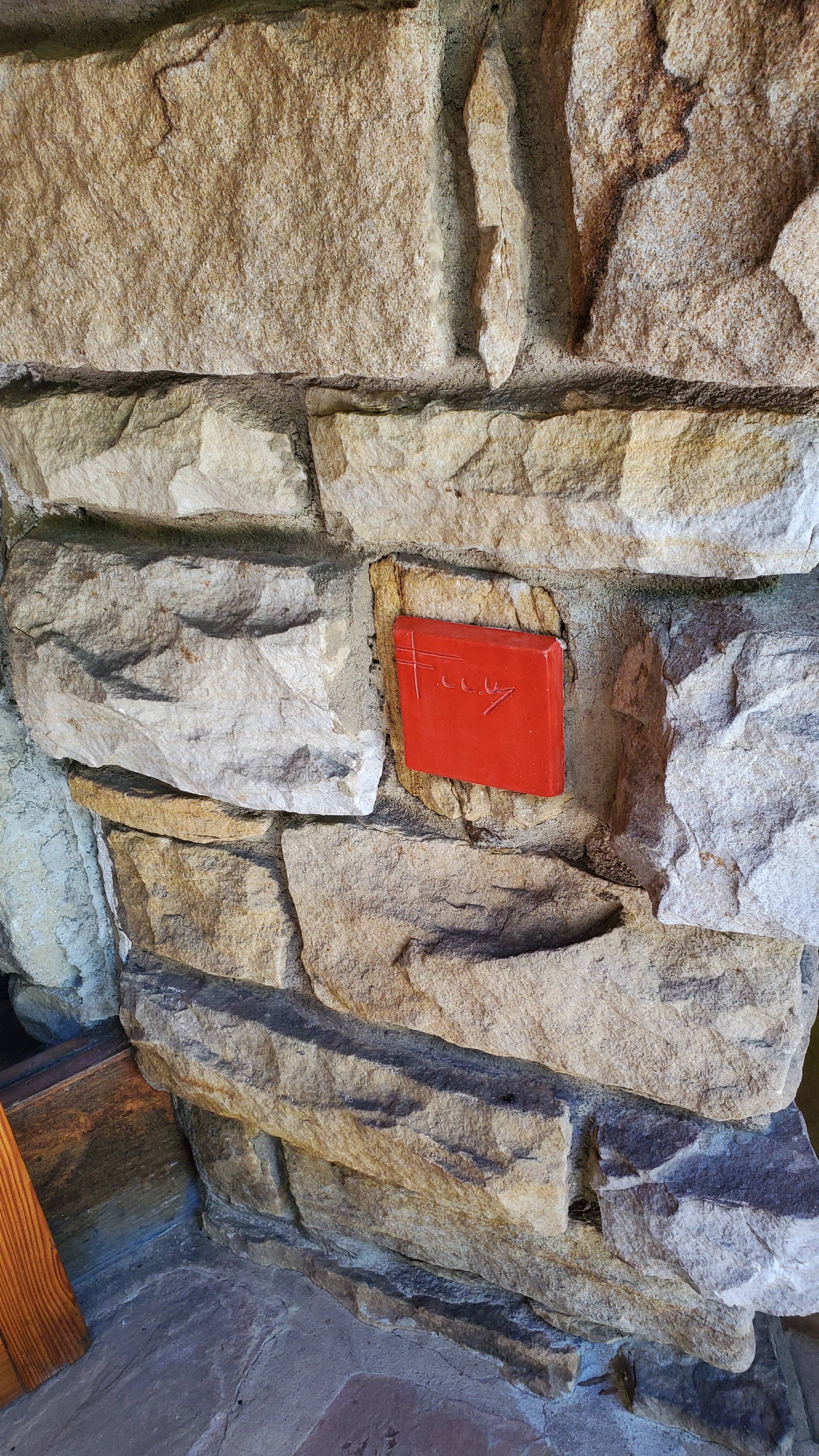
Kentuck Knob
A national landmark.
According to the Kentuck Knob website:
In 1953, Bernardine and I.N. Hagan purchased eighty acres in the mountains above Uniontown in Western Pennsylvania where their families had lived for generations. After their many visits to the Kaufman’s vacation home, Fallingwater, the Hagans fell in love with Wright’s architecture. The Hagans contacted Frank Lloyd Wright and traveled to Taliesin in Wisconsin, where he interviewed them and agreed to build them a home.
Frank Lloyd Wright was 86 years old when taking on Kentuck Knob. During the design of the Hagan House, Wright was also working on the Beth Shalom Synagogue in Elkins Park, Pennsylvania and the Guggenheim Museum in New York City and twelve other residential homes. Wright said he could “shake the (usonian) designs right out of his sleeve,” at that point in his career. Kentuck Knob was one of the last homes Wright ever designed.




Berlin Wall section 1979 East Germany


Town of Ohiopyle
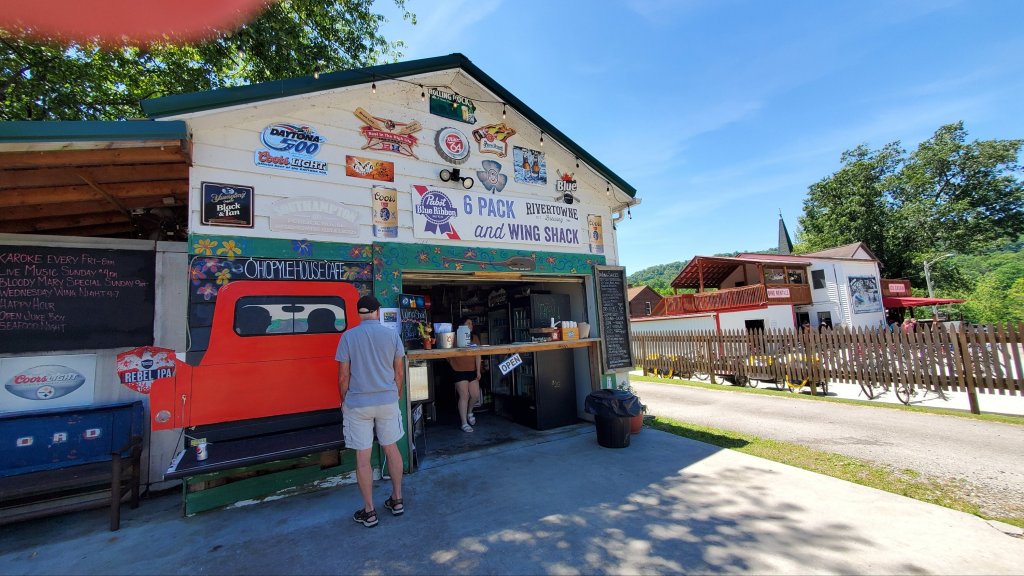
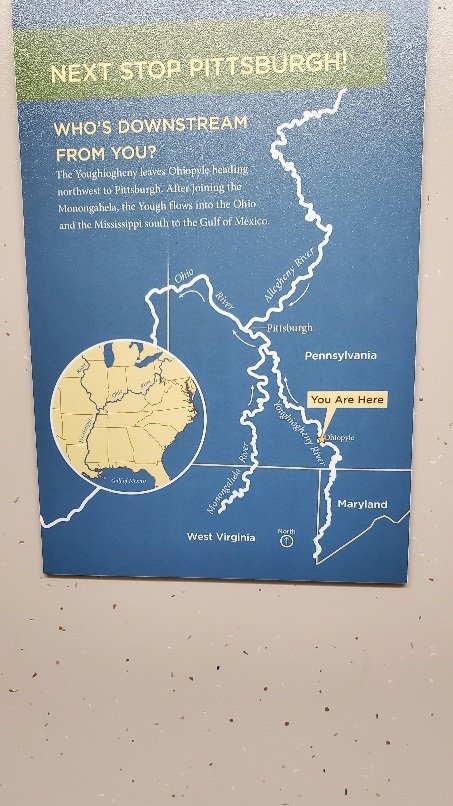
After Kentuck Knob we headed back to the town of Ohiopyle on the Youghiogheny R., very near our campgrounds. It is a mecca for river rafting, hiking and cycling. We stopped for a lunch of chicken wings and fries then walked along the river to the falls and the visitor center.
The National Road
2012)
The National Road (also known as the Cumberland Road) passes through Ohiopyle was the first major improved highway in the United States built by the federal government. Built between 1811 and 1837, the 620-mile (1,000 km) road connected the Potomac and Ohio Rivers and was a main transport path to the West for thousands of settlers. When improved in the 1830s, it became the second U.S. road surfaced with the macadam process pioneered by Scotsman John Loudon McAdam.


We spent a quiet evening with a light dinner, a campfire and a movie.
 Louise and Brian McLeod Travel Blog
You must be logged in to post a comment.