It is an absolutely beautiful day for visiting this wildlife refuge. (See description below)
We have met up with our long time travel buddies and best friends. We have just spent a week in Ontario with family. Our friends are on their way to do the same in the upper peninsula (UP) of Michigan.
We have traveled the world together, photographing wild life for the last 25 years. Since covid, we haven’t done much of this. Its a real treat to be able to this again together although 3 of us are no longer using ‘big equipment’ and a little more limited with distance shooting.

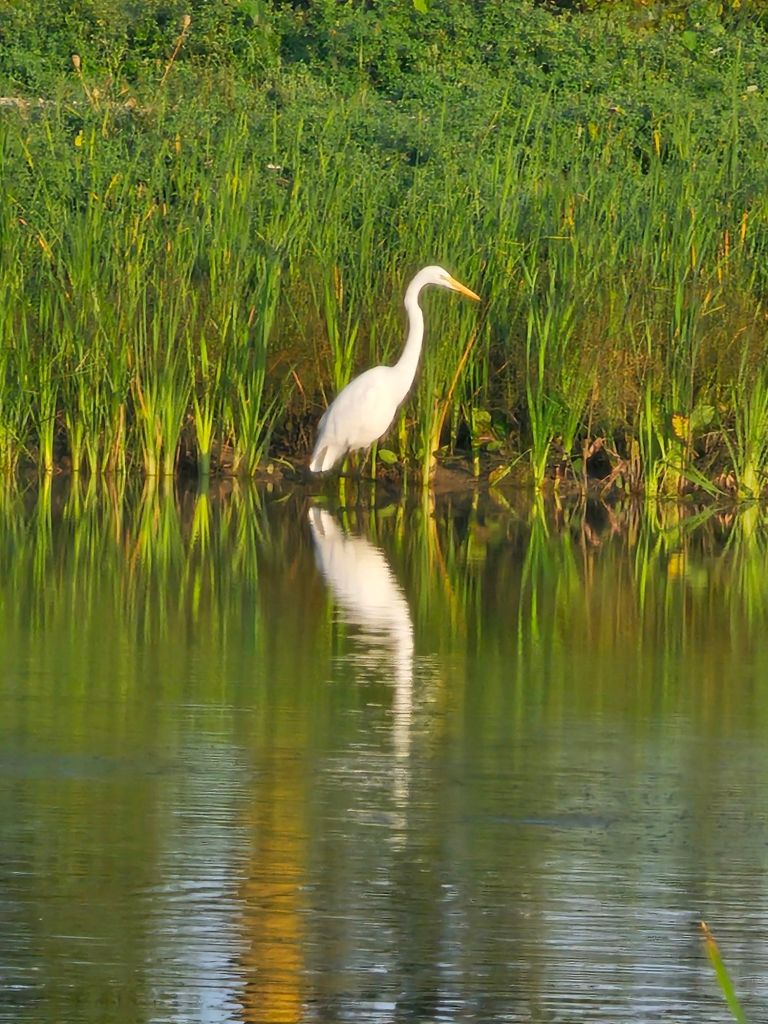
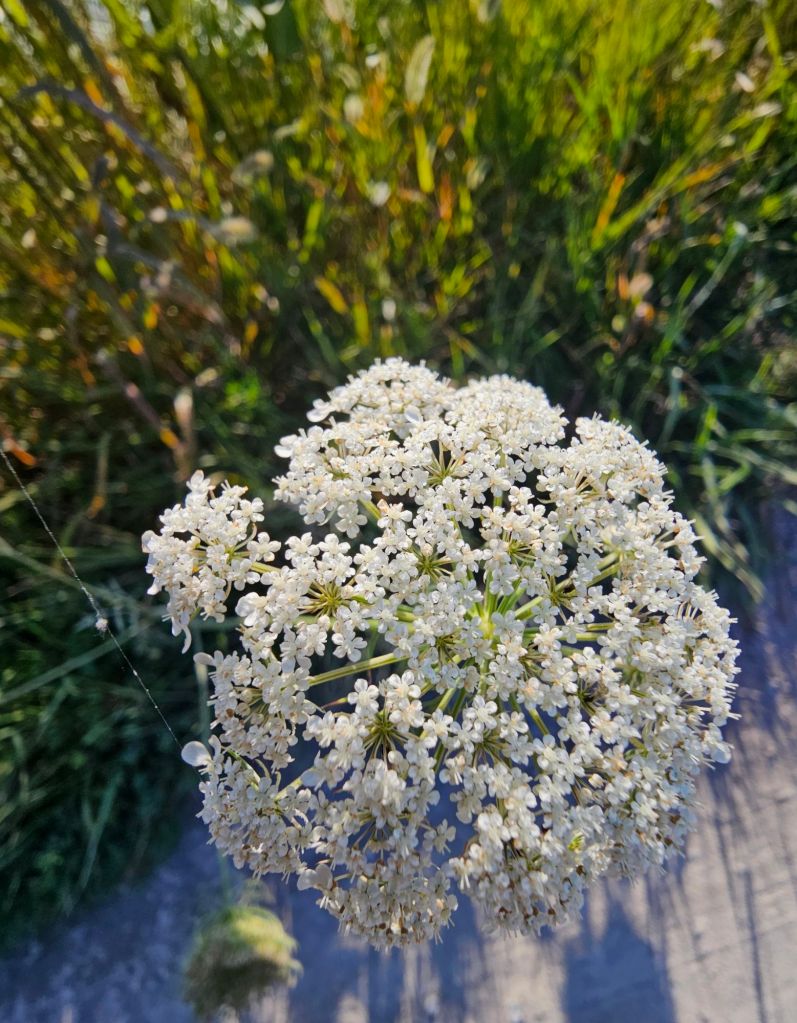
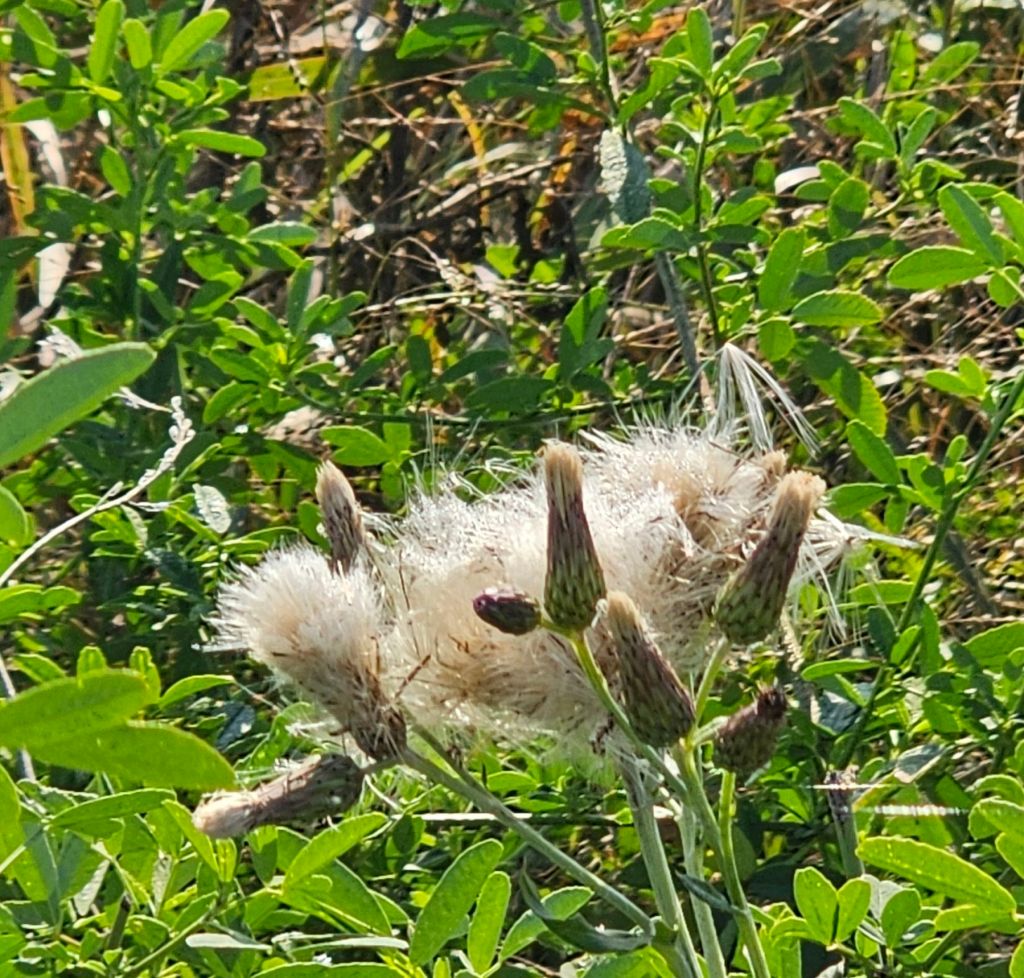
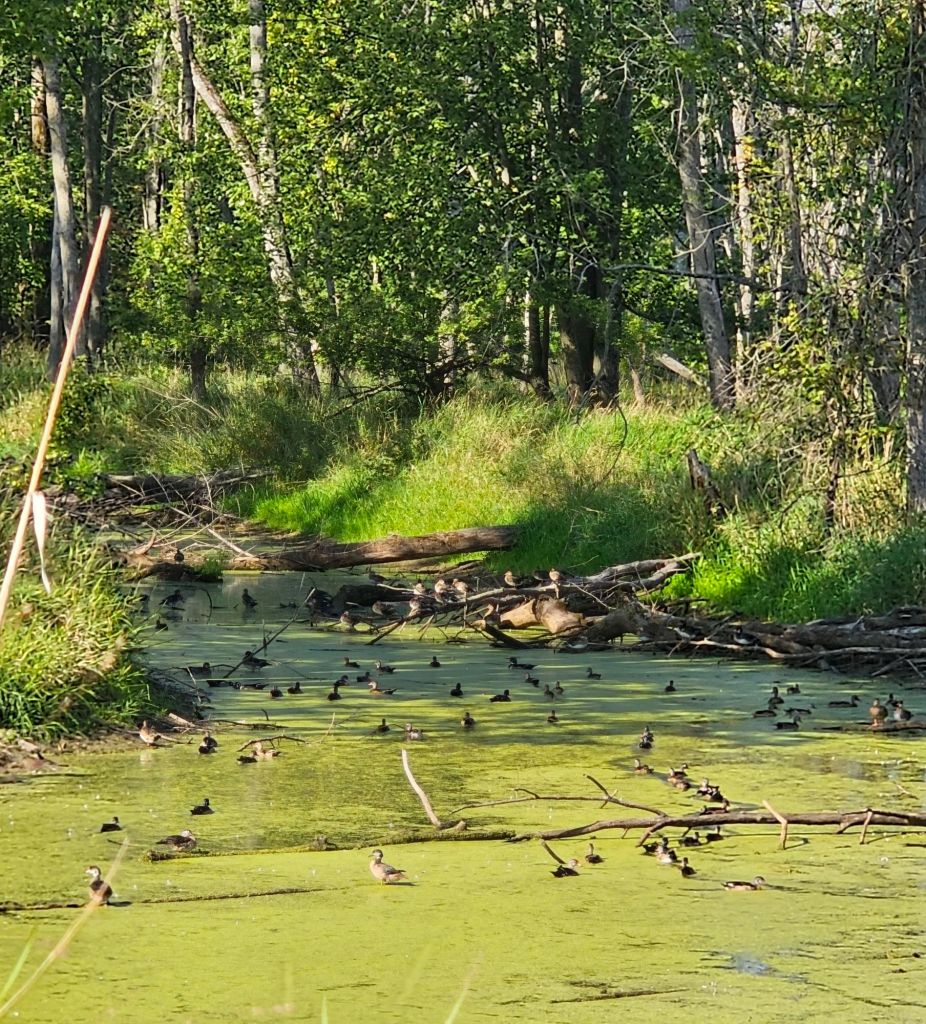
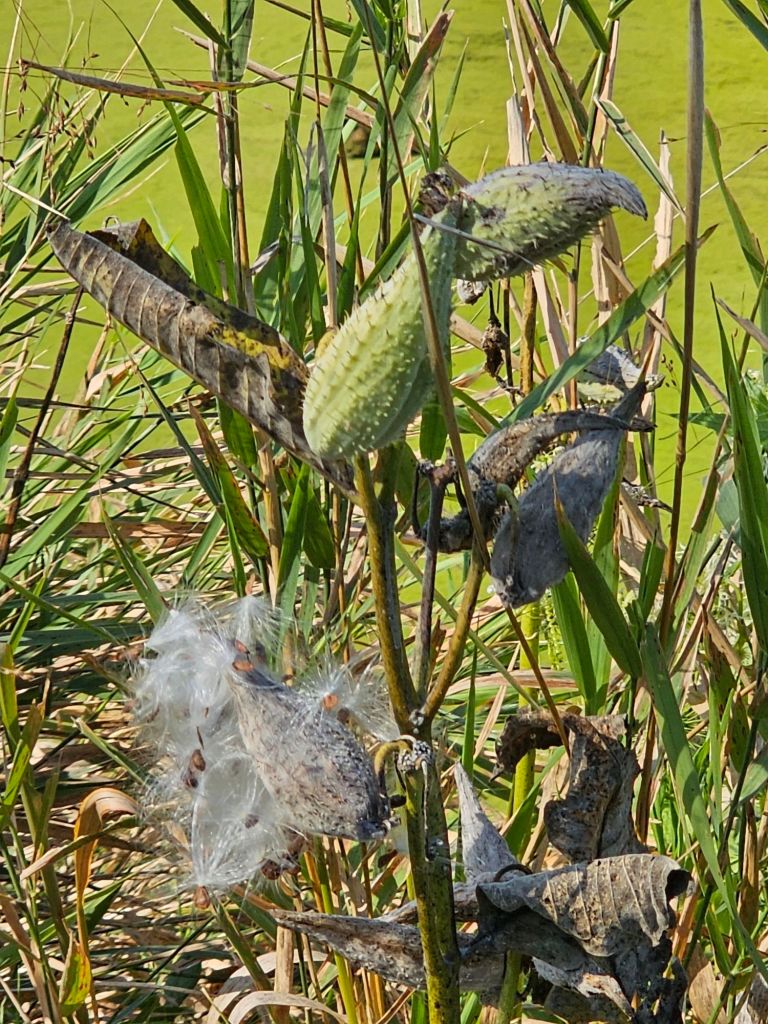
Join us for a day in the Shiawassee Refuge. Photos are taken with my Samsung phone. This day has offered us a feast of late summer flowers, grasses, seeds, local and migrating birds.

Shiawassee Flats refers to a locally known name for the Shiawassee National Wildlife Refuge, which lies in the Saginaw Bay watershed, historically one of the largest and most productive wetland ecosystems in Michigan.

The refuge is located in Saginaw County, Michigan, with headquarters about 5 miles south of Saginaw. The Bad, Flint, and Cass Rivers flow into the Shiawassee River in the refuge, and these rivers join to form the Saginaw River, which drains into Saginaw Bay and Lake Huron.

The 10,000 acre Shiawassee National Wildlife Refuge was established in 1953 for use as an inviolate sanctuary and for any other management purposes of migratory birds. The refuge spans 9,501 acres with 75 percent of it being marshes, wetlands and bottomland-hardwood forests, while the remaining portions are cropland, managed pools and moist soils units.

As a designated Important Bird Area, it is a place of global significance for bird conservation. Because the Shiawassee Flats is a historically important waterfowl concentration area, the primary objective when the area was established was to provide a major refuge for waterfowl in the northern Mississippi Flyway

The area is sometimes called the “Everglades of Michigan” due to its extensive wetland ecosystem, and it serves both as critical wildlife habitat and a popular destination for recreation, hunting, and wildlife observation.




Bird sightings
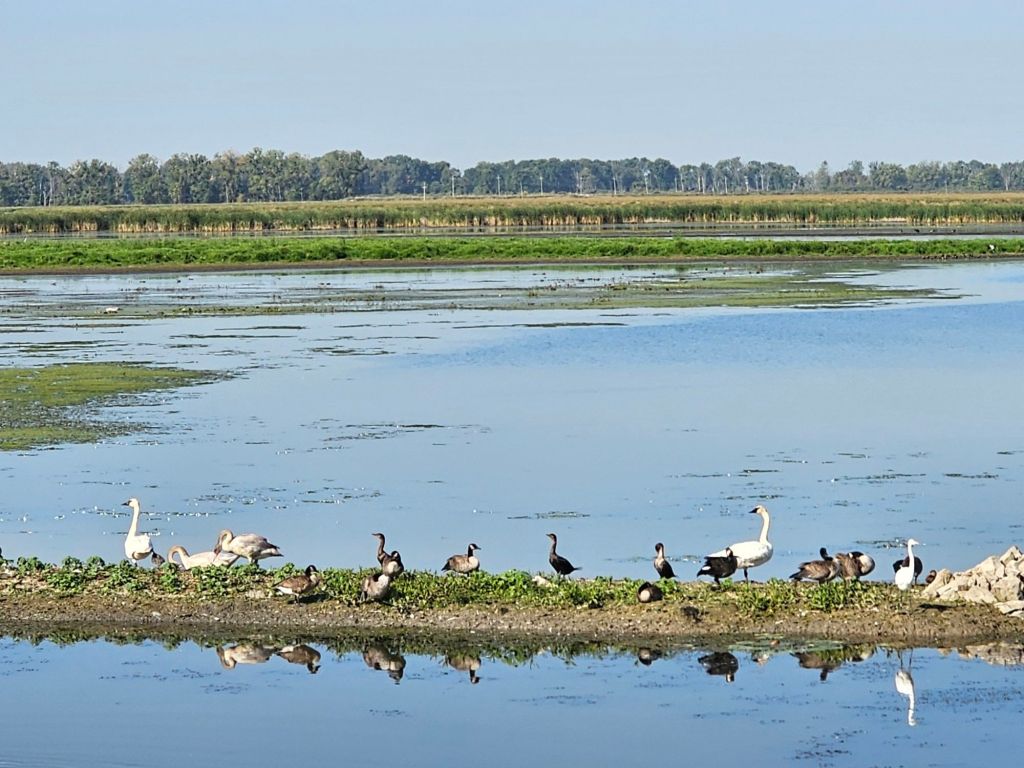
Golden eagle, Cormorants, great snowy egrets, egrets, great blue herons, eastern phoebe, wood ducks, grebes, mallards, mourning doves, gulls, redwing blackbirds, tundra swans, Canada geese, black crowned night heron, Sandhill cranes, blue winged teals,


 Louise and Brian McLeod Travel Blog
You must be logged in to post a comment.