We are moving camp today and will visit a local.plantation on our way out this morning. I hadn’t realized the full extent of the history of James Island where we were camped. The McLeod Plantation we are visiting is unusual in that it depicts the life of the slaves and freed slaves, their culture and their lives post civil war during Reconstruction rather than romanticizing the Plantation owners and life style.
James Island
James Island, South Carolina, has a rich history dating back to its original Indigenous inhabitants before European settlers arrived in the 1600s. It became an agricultural hub, with plantations relying on enslaved African labor to cultivate rice, indigo, and Sea Island cotton. During the Civil War, it played a strategic role in defending Charleston, notably in the Battle of Secessionville (1862). After the war, freed African Americans established lasting communities on the island. In the 20th century, James Island was a center for Civil Rights activism and later experienced rapid development while striving to preserve its historical and cultural heritage. Today, it retains its strong ties to Gullah Geechee traditions.
McLeod Plantation
McLeod Plantation, established in 1851 on James Island, South Carolina, has a deep and complex history tied to slavery, the Civil War, and Reconstruction. Originally a sea isle cotton plantation relying on enslaved labor, it became a strategic site during the war, occupied by both Confederate and Union forces. After emancipation, it served as a refuge for freed African Americans and later as a sharecropping community. In the 20th century, it played a role in the Civil Rights Movement before being preserved as a historic site in 2011. Today, McLeod Plantation focuses on educating visitors about the lives of enslaved people, the Gullah Geechee culture, and the ongoing impact of this history.

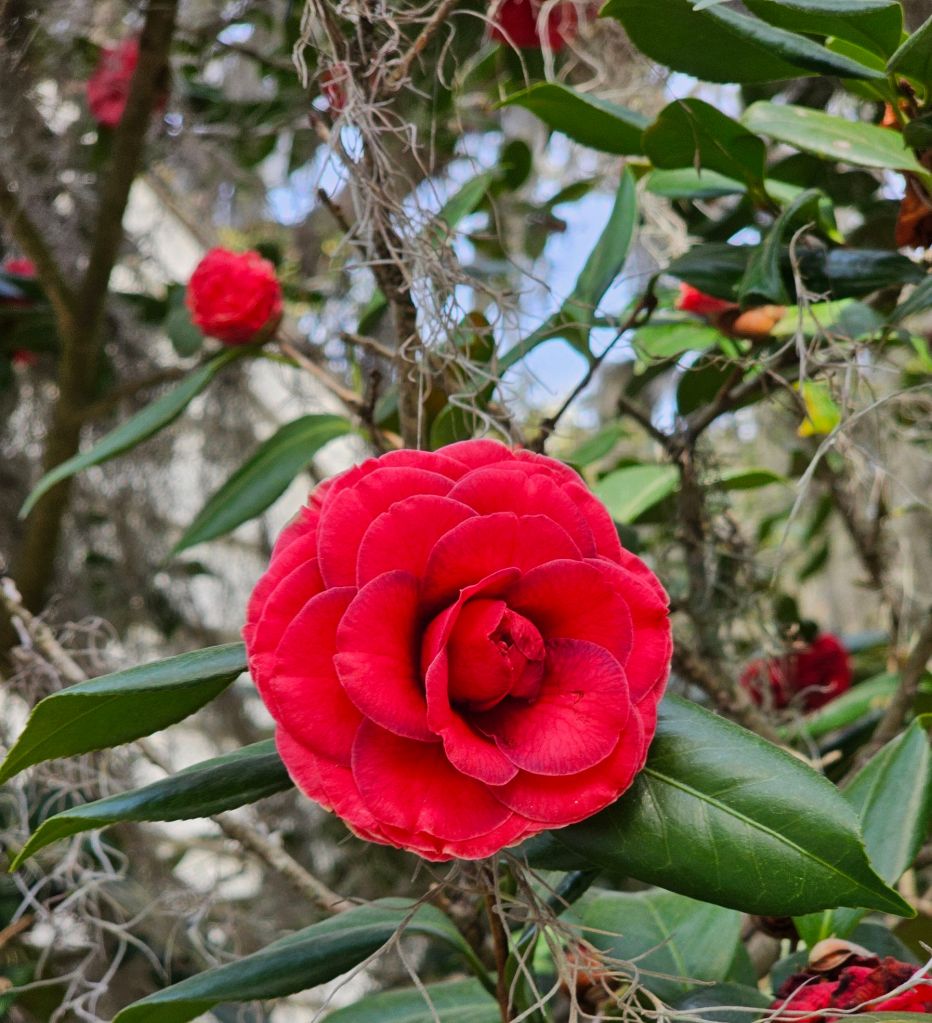


Sea Island cotton is a high-quality, long-staple cotton variety that was historically grown in the coastal regions of South Carolina, Georgia, and Florida, as well as on the Caribbean islands. Known for its exceptionally long, silky fibers, it produced a fine, soft fabric that was highly prized in international markets. Cultivating Sea Island cotton was labor-intensive, requiring skilled workers, which led to its heavy reliance on enslaved African labor, particularly in the Gullah Geechee communities.
The crop thrived in the warm, humid climate of the Lowcountry but declined in production after the American Civil War and was nearly wiped out by the boll weevil infestation in the early 20th century. While no longer widely grown in the U.S., efforts have been made to revive its cultivation due to its luxurious quality and historical significance.
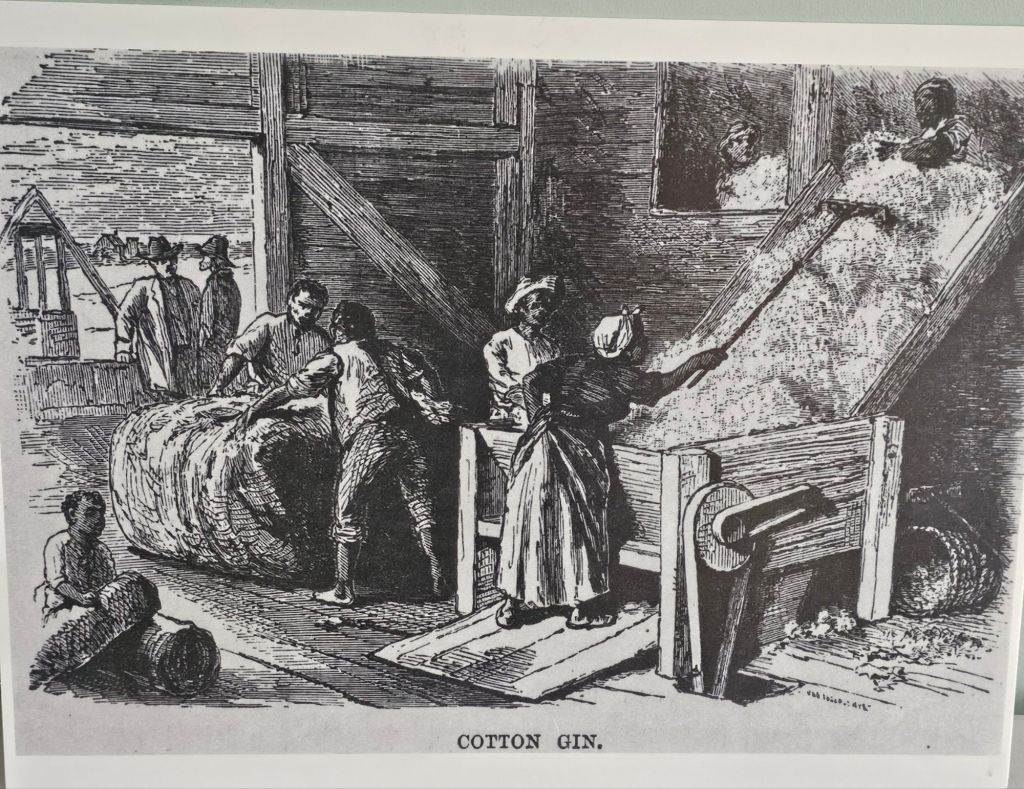

The invention of the cotton gin by Eli Whitney in 1793 had a profound and devastating impact on enslaved people in the United States. While the machine made it easier to separate cotton fibers from seeds, dramatically increasing cotton production, it also led to a massive expansion of slavery in the South. Before the cotton gin, processing cotton was slow and labor-intensive, limiting its profitability. However, with the gin making cotton processing faster, plantation owners expanded their fields and demanded more enslaved laborers to plant, cultivate, and harvest the cotton.
As a result, the domestic slave trade surged, with thousands of enslaved Africans being forcibly moved to the Deep South to meet the growing demand for cotton labor. The Southern economy became even more dependent on slavery, deepening racial oppression and fueling tensions that eventually led to the Civil War. Instead of reducing the need for enslaved labor, as some had predicted, the cotton gin intensified their suffering, making slavery more entrenched in the American economy and society.
Gullah Geechee people
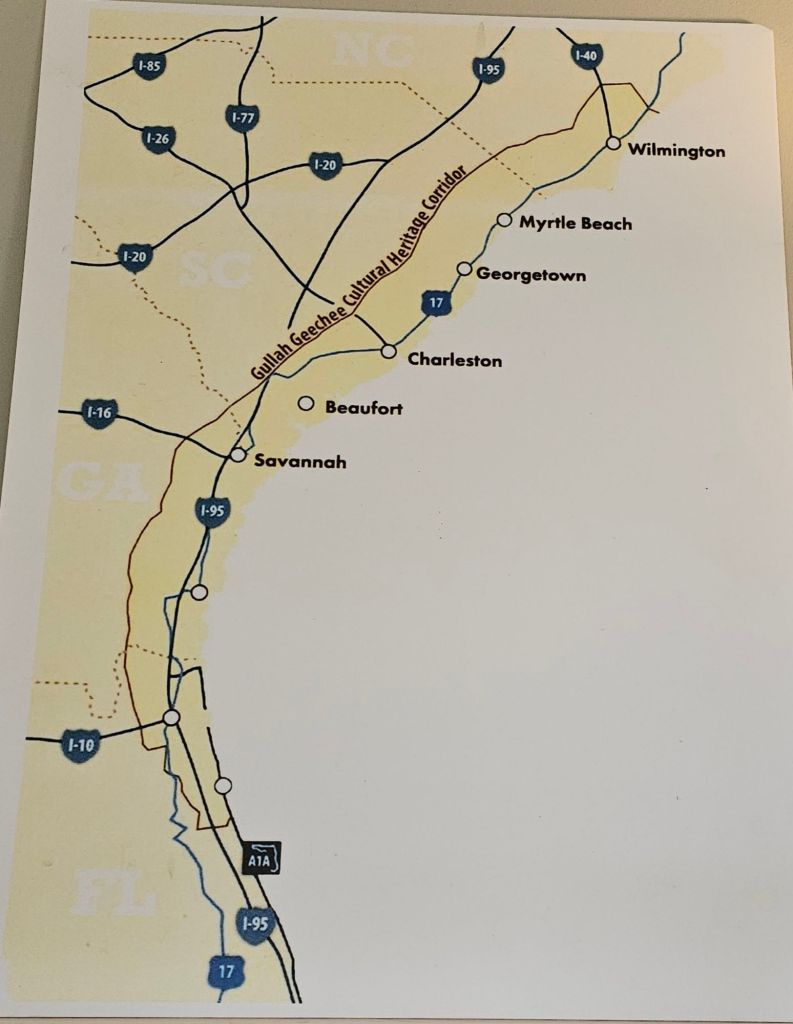
The Gullah Geechee people are descendants of enslaved West and Central Africans who settled along the coastal regions of South Carolina, Georgia, Florida, and North Carolina. Due to their isolation on sea islands and plantations, they preserved a unique culture, language, and traditions with strong African influences. Their Creole language, Gullah, blends English with African linguistic elements, while their cuisine, crafts like sweetgrass basket weaving, and storytelling traditions reflect their heritage. Historically, they played a vital role in rice and cotton cultivation, and after the Civil War, many formed self-sufficient communities. Today, the Gullah Geechee Cultural Heritage Corridor helps protect their rich history and traditions amid modernization and development.
We finally have the warm weather we’ve been seeking. With temperatures in the high 70s, I was finally able to take my light jacket off and wear a lighter top.
Our campsite tonight is Santee State Park north of Charleston which meant we had to go back through Charleston again. Traffic here is very heavy.

Finding lunch was a bit of an adventure. We have been wanting Southern BBQ and i thought I had located an ideal BBQ restaurant very near our tonight’s campsite. Turns out, it burned down 2 years ago and the food truck they have been operating out of was also closed today ( or maybe forever). The alternative was the local seafood shack where we had an excellent combo meal of fried fish, scallops, shrimp and okra. Okra is something we don’t get at home and we have both found that we like it! At least the fried version.

Our campground is located on Lake Marion. Hot and sunny, we put the awning out, something we don’t often do. Again we are here for 2 days. We have to figure out what we are going to do tomorrow… stay in this park or explore nearby Congaree national park with its old world forest.

Not only did we eat dinner outside (a buffet of leftovers), we sat outside and watched Netflix on my laptop until bedtime. We are in a fire ban, so no campfires. South Carolina has been experiencing severe forest fires. Away from the coast, it’s not as windy and no gnats either.

 Louise and Brian McLeod Travel Blog
You must be logged in to post a comment.