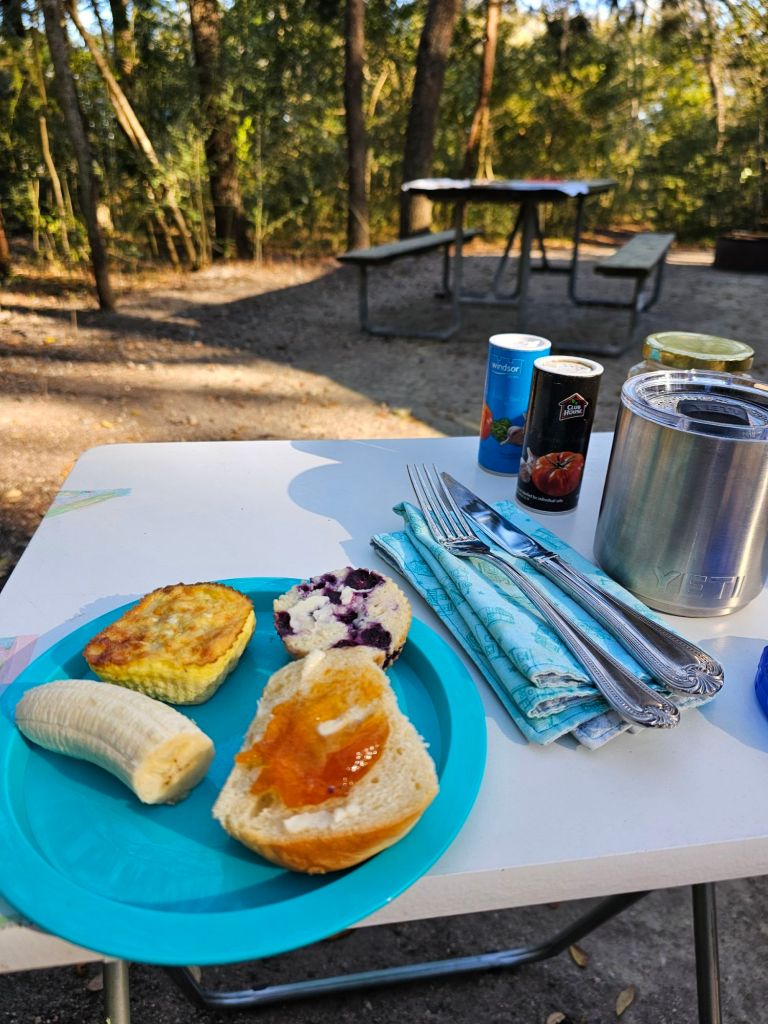
We are not moving camp or even driving anywhere today. As a result, we had a later than usual breakfast outside once it warmed up a little. Today we will explore this beautiful state park on foot. In addition to the beach, it has trails through the preserve areas and it’s own castle. See below.
Birds chirping in our campsite: red winged blackbird, cardinal, Carolina wren, ruby crowned kinglet, housefinch, yellow rumped warbler, tufted titmouse, downy woodpecker, red bellied woodpecker, pileated woodpecker7.
Shore / wading birds: snowy egret, lesser egret, little blue heron, osprey, great blue heron, vultures, anhingas, pintail ducks, moor hens, coots.
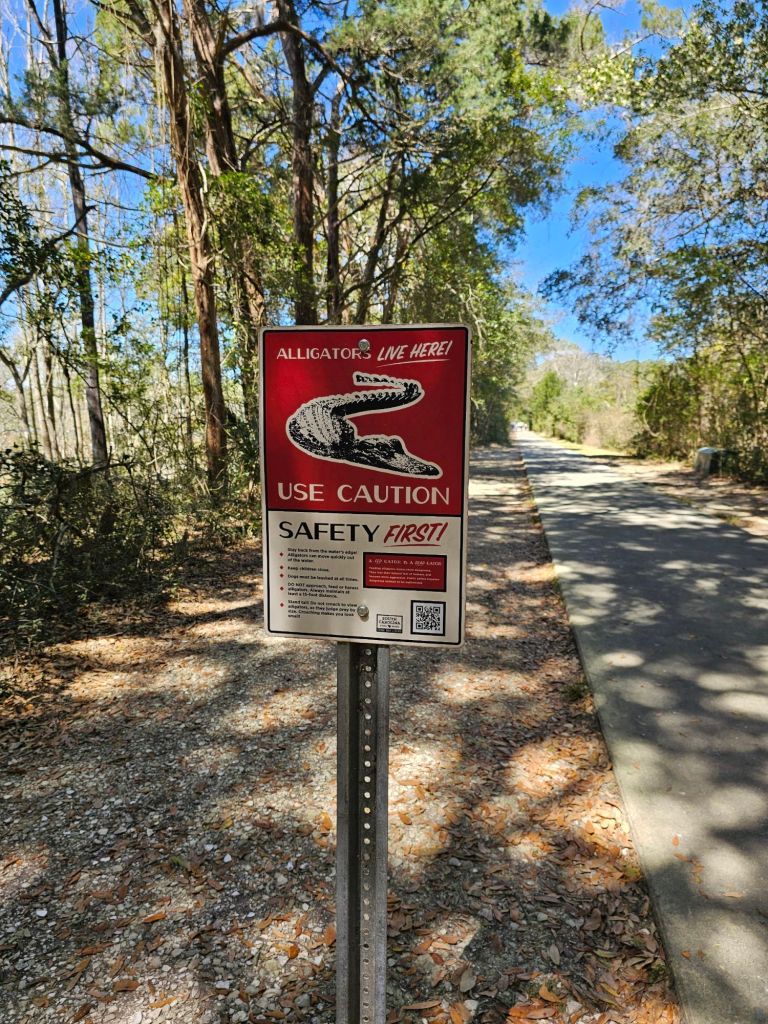
Animals: turtles, alligators
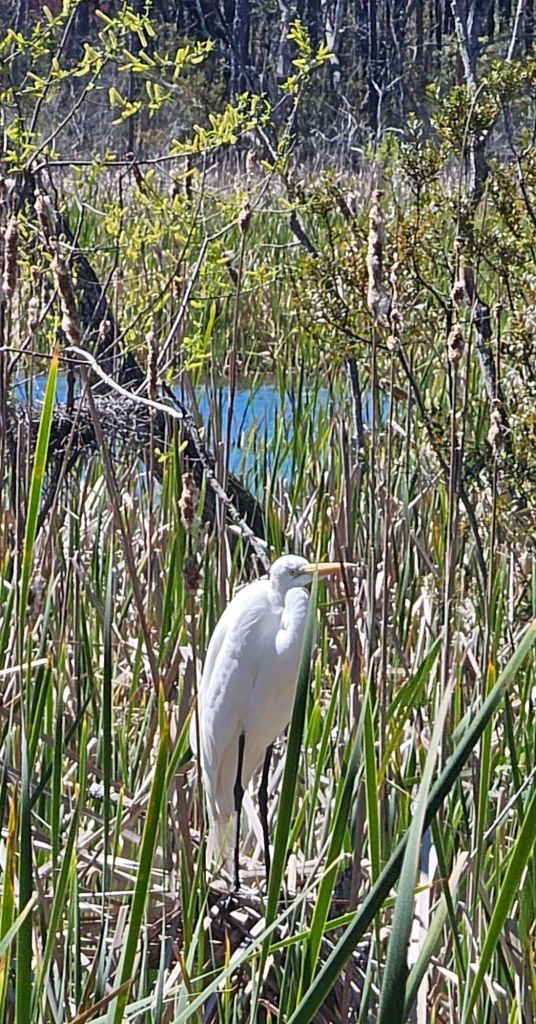
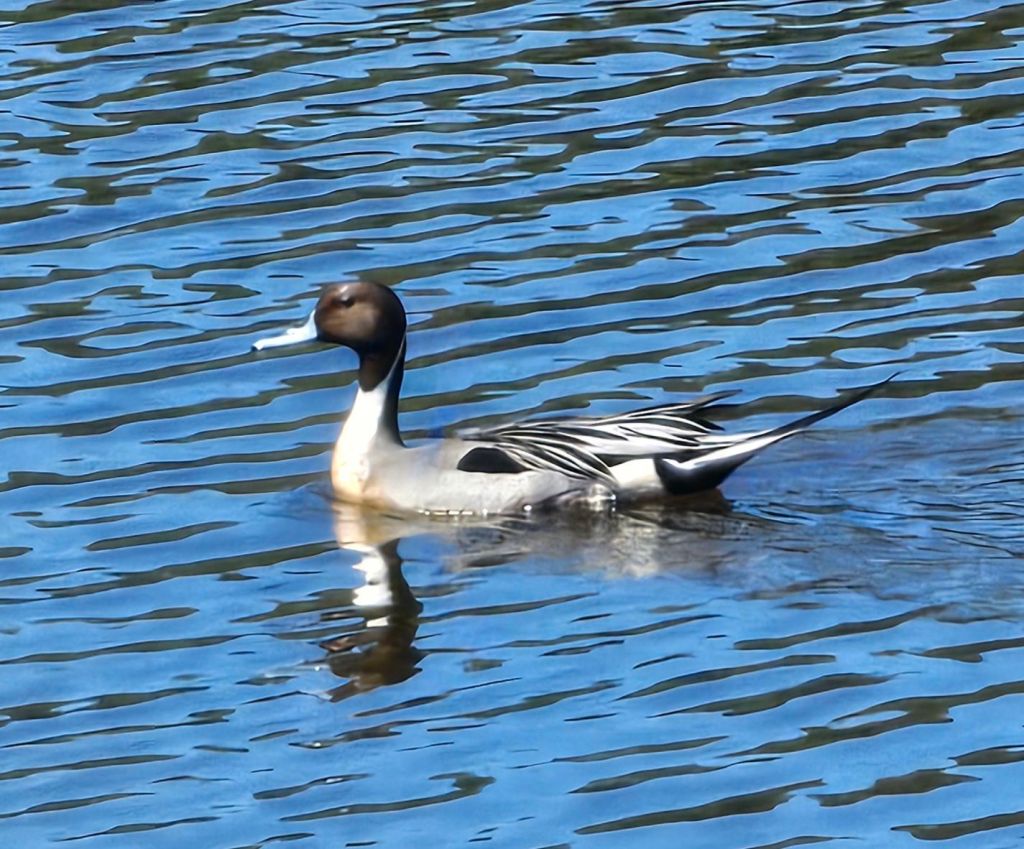
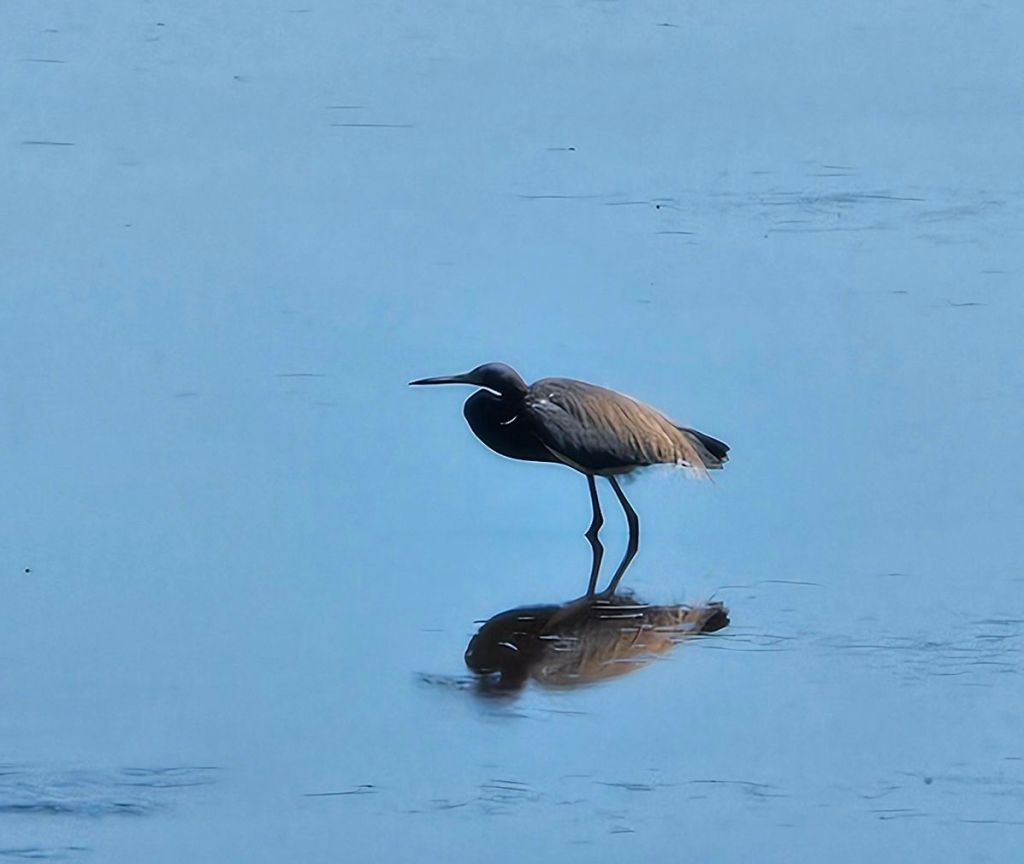
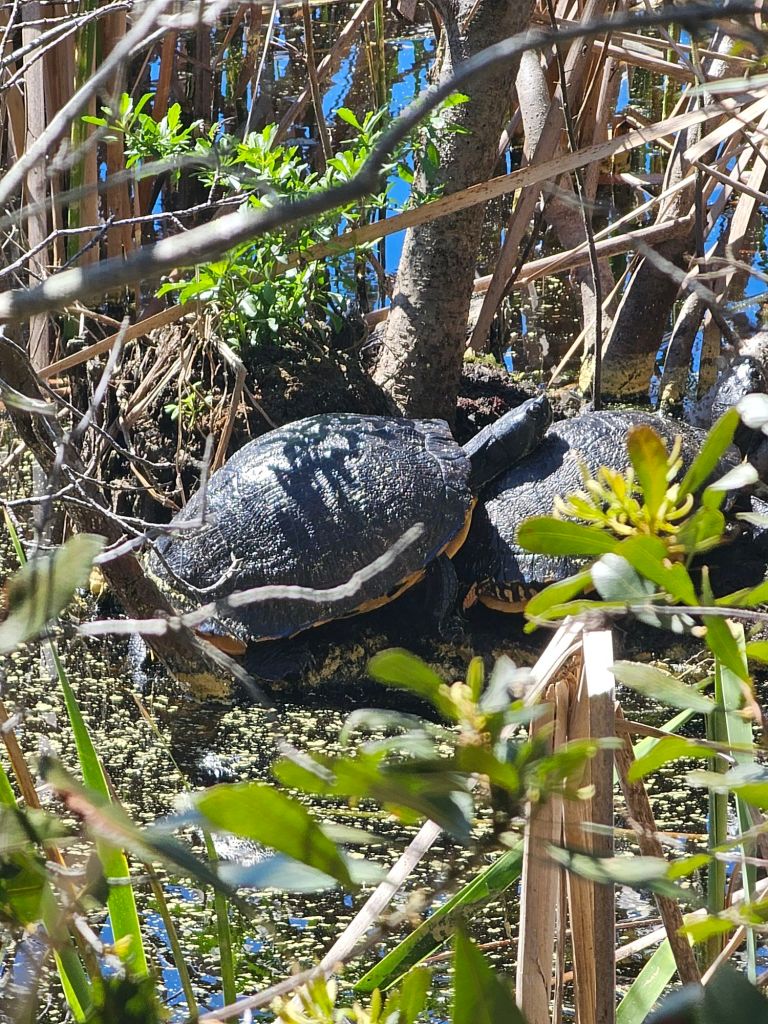
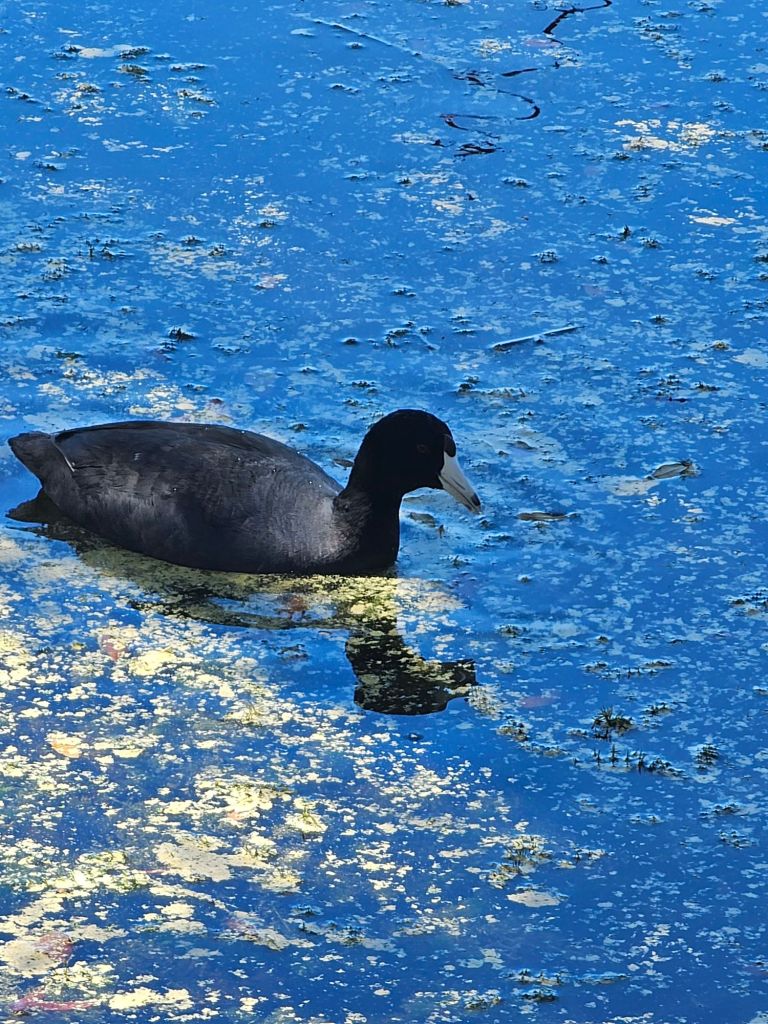
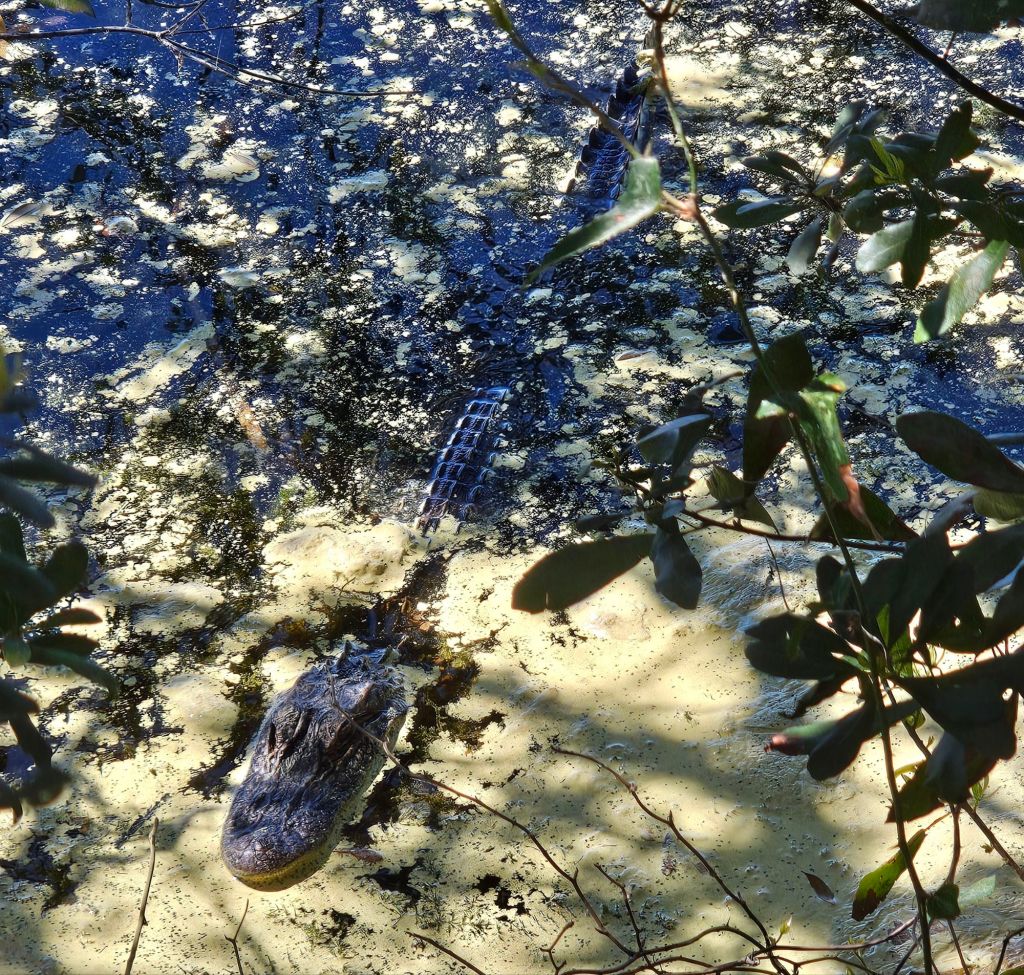
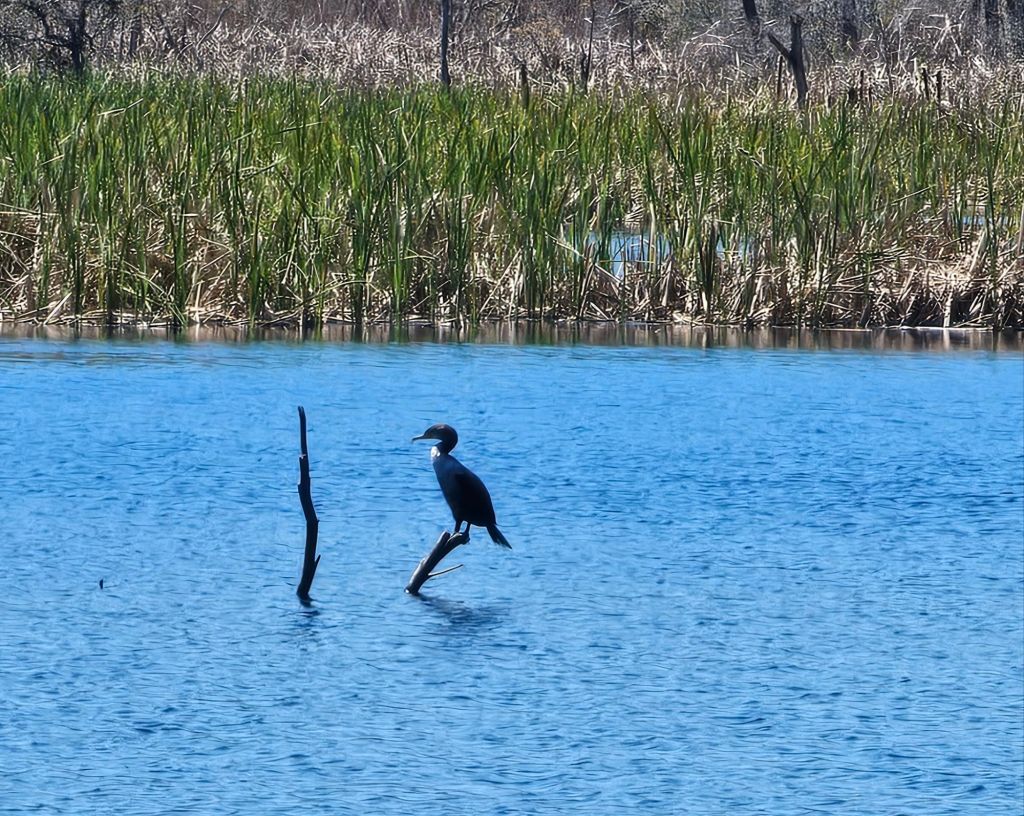
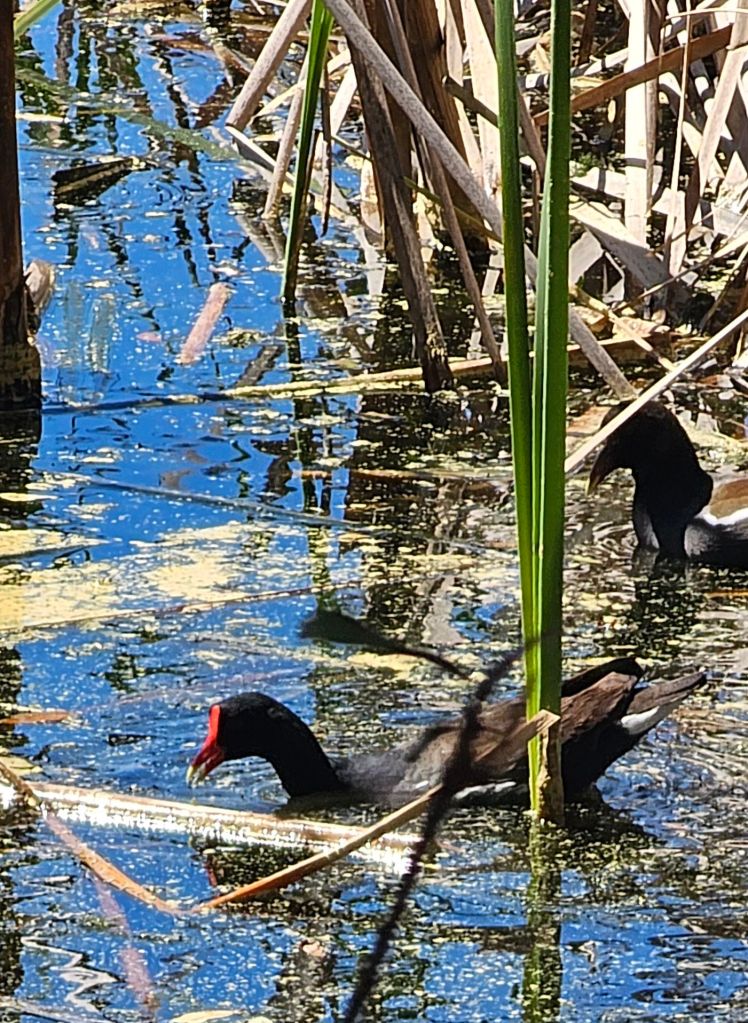
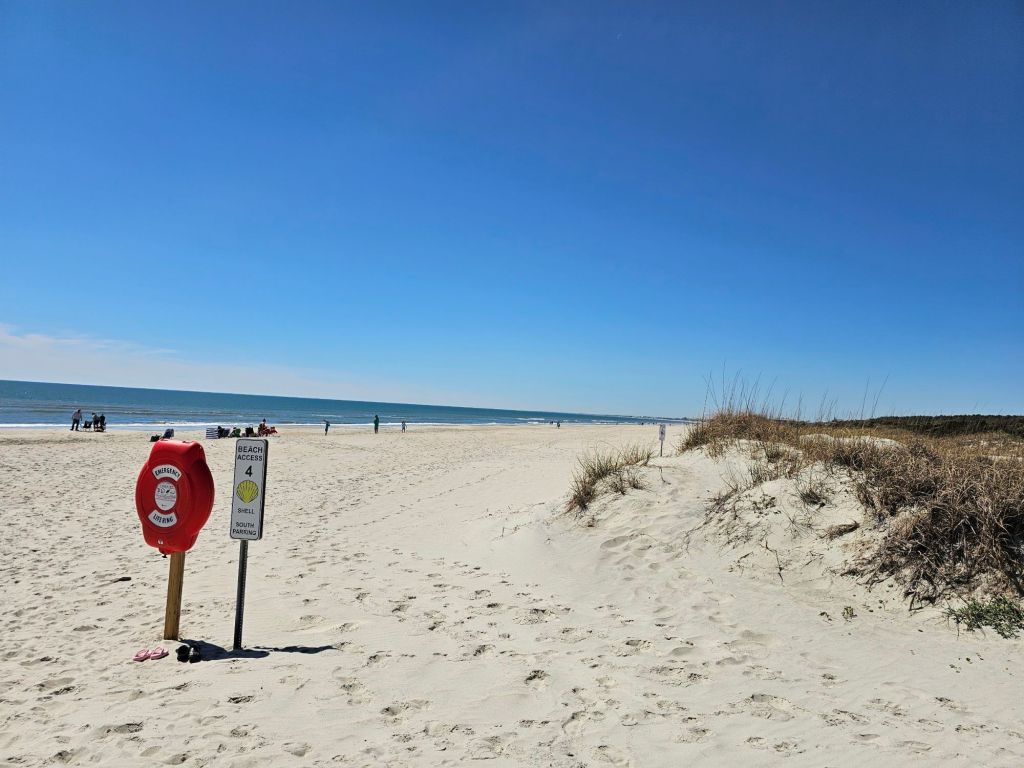
We pretty much walked the park today, down to the beach, around the ponds and out to the causeway. Lots of wild life and photography. We toured Ayatala as well. It’s a gorgeous day with temperatures perfect for walking and site seeing.
We are cooking our main meal in camp tonight, getting the BBQ out for the first time this trip… steak, potatoes, broccoli and brownies for dessert.
After our long walk, I’ve spent the afternoon listening to a book and doing some long forgotten drawing ( I’m not good at it).
History of Huntington Beach State Park
Huntington Beach State Park, located in Murrells Inlet, South Carolina, has a rich history tied to the Huntington family and their contributions to conservation, art, and wildlife preservation.
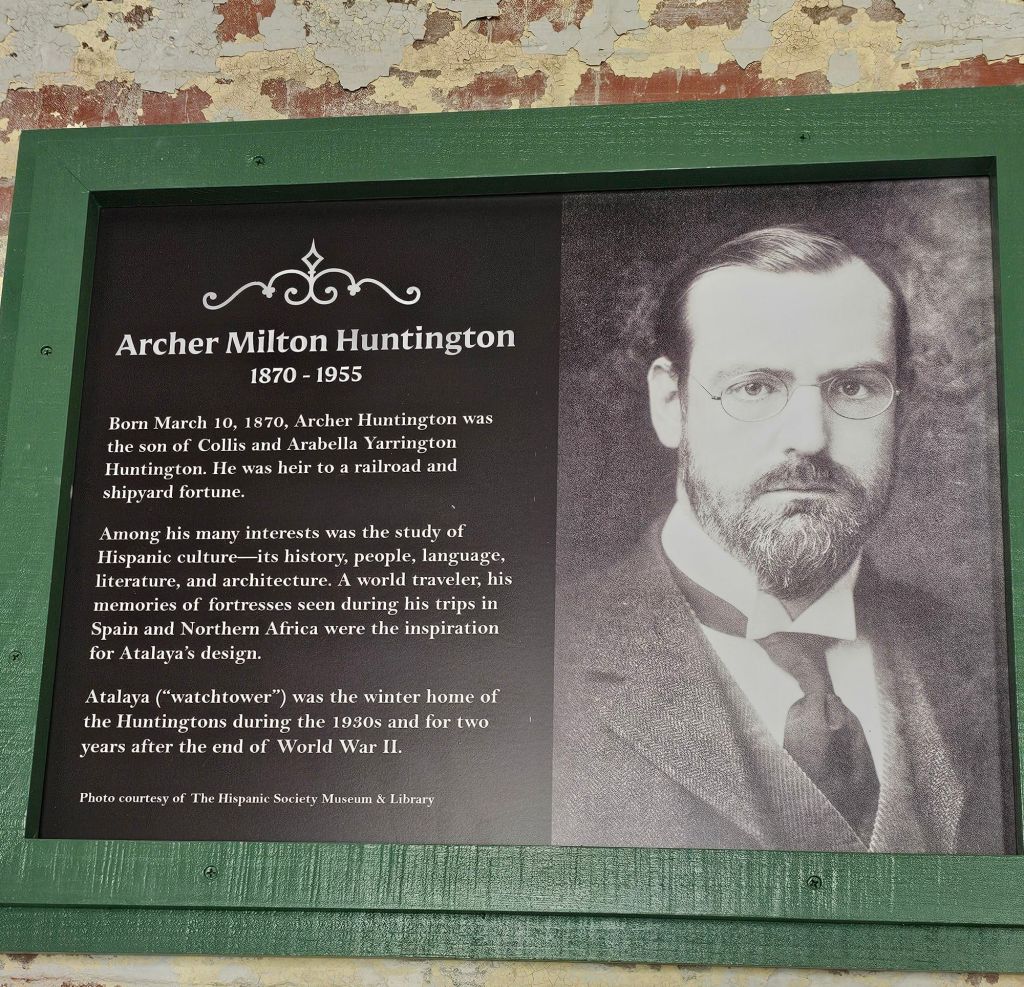
Archer Milton Huntington (1870–1955) was an American philanthropist, scholar, and patron of the arts, known for his contributions to Spanish studies, museums, and conservation. He founded The Hispanic Society of America and supported various cultural institutions. He was married to sculptor Anna Hyatt Huntington.
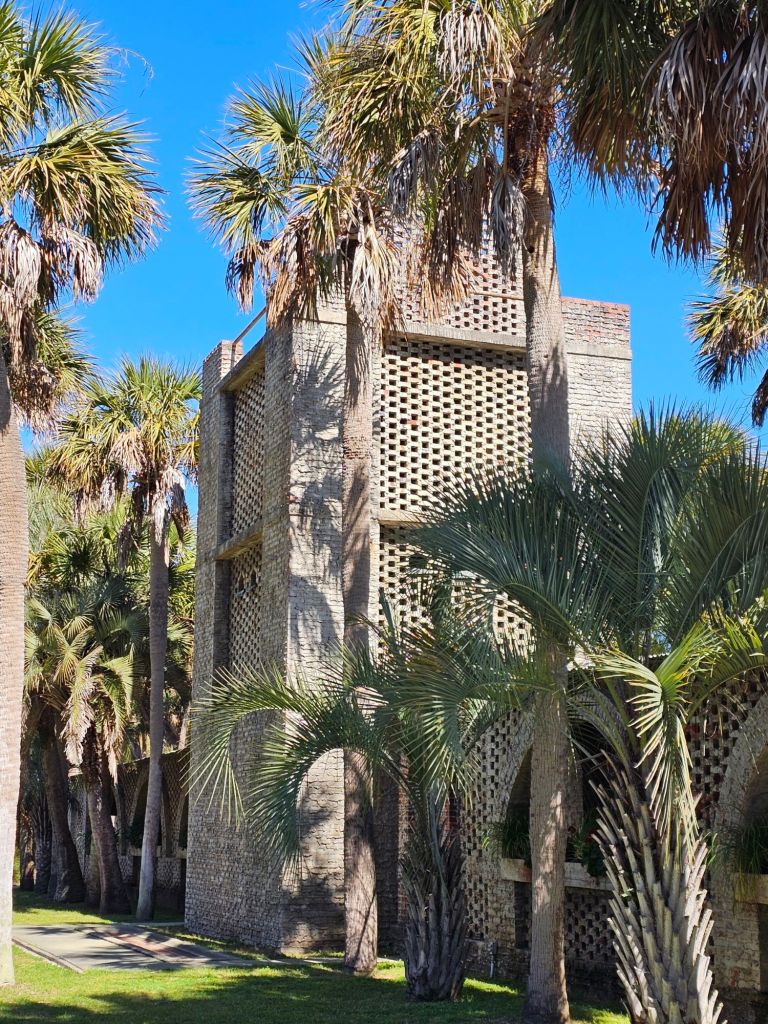
In the 1930s, Archer and Anna Hyatt Huntington purchased a large stretch of land along the South Carolina coast, formerly part of several rice plantations. They built Atalaya, a Moorish-style home, as a winter retreat and as a working space for Anna, a renowned sculptor.
During the Great Depression, the Huntingtons provided jobs to local workers by commissioning the construction of Atalaya and land development.
In 1960, the Huntingtons donated the land to South Carolina, leading to the creation of Huntington Beach State Park. The park was established to preserve the coastal ecosystem, provide public recreational access, and protect wildlife. The park is known for its pristine beaches, salt marshes, and maritime forests, making it a prime spot for birdwatching, hiking, and nature exploration.
The area is also adjacent to Brookgreen Gardens, another Huntington project that houses one of the largest collections of American sculptures in an outdoor setting.
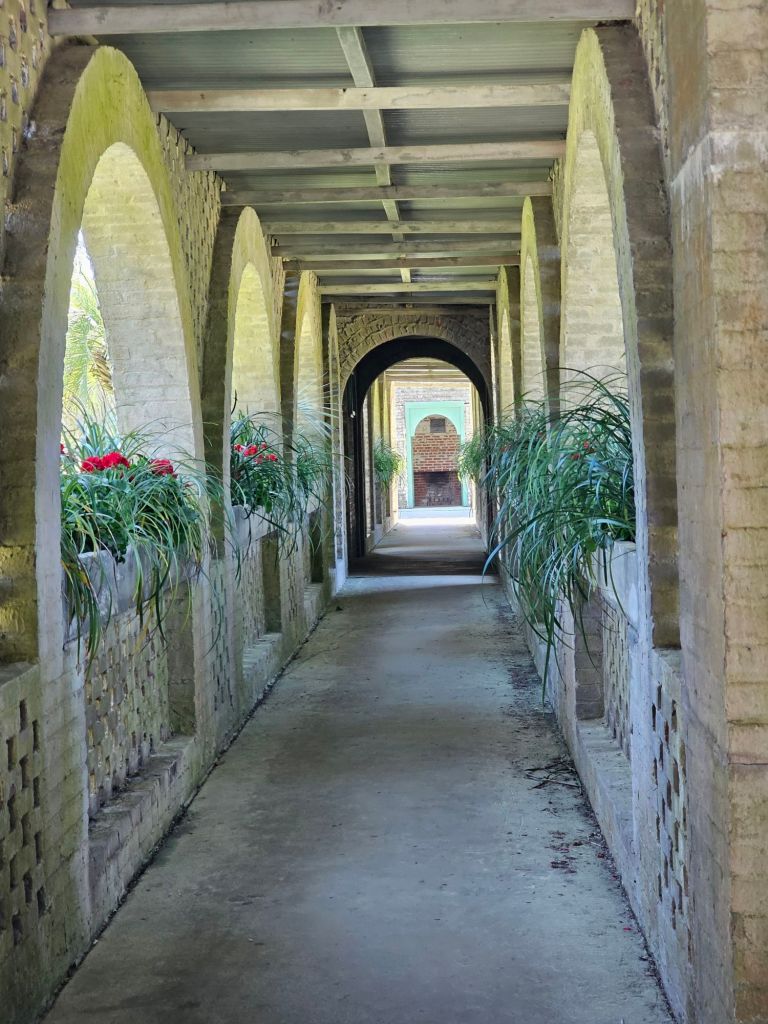
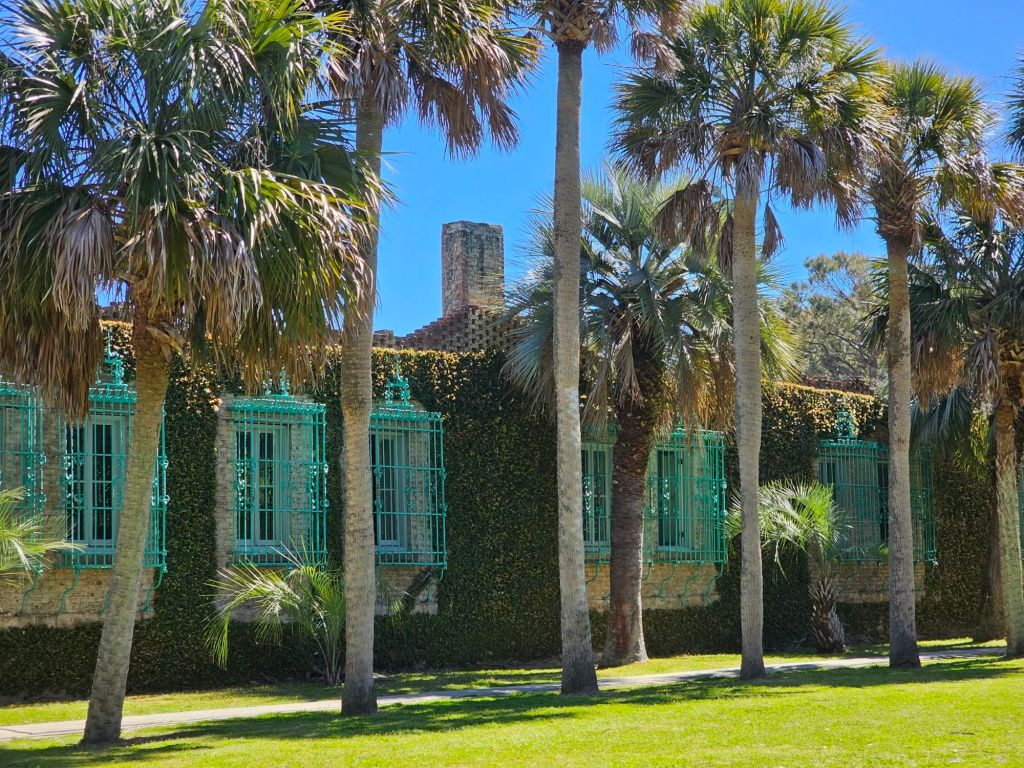
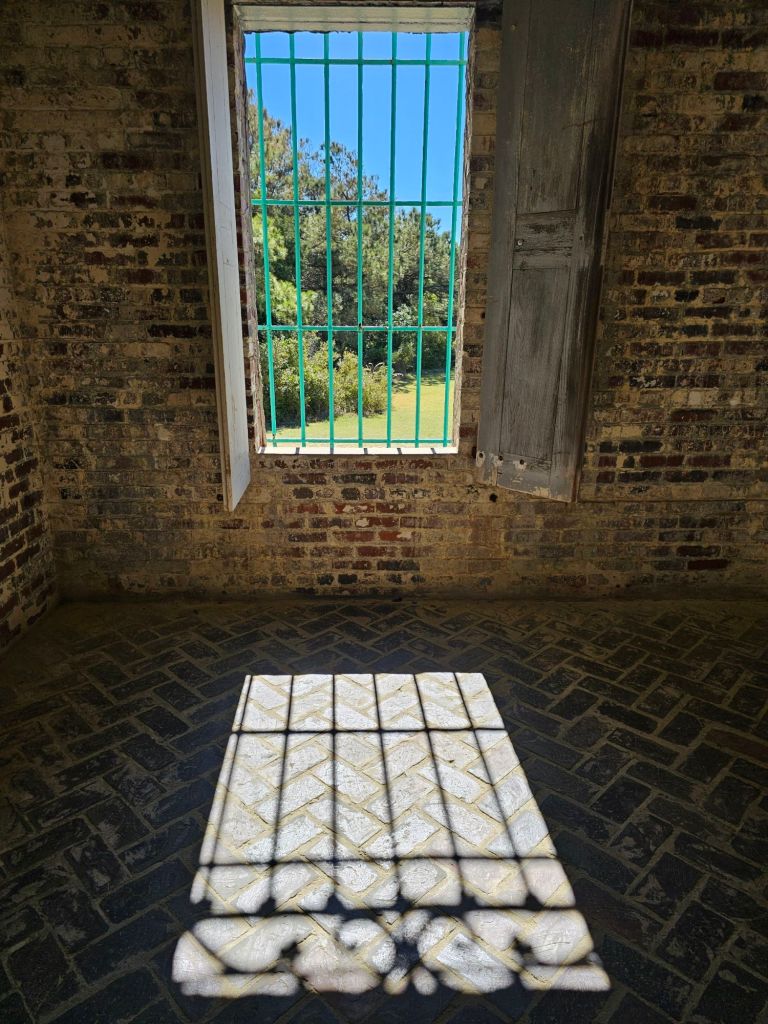
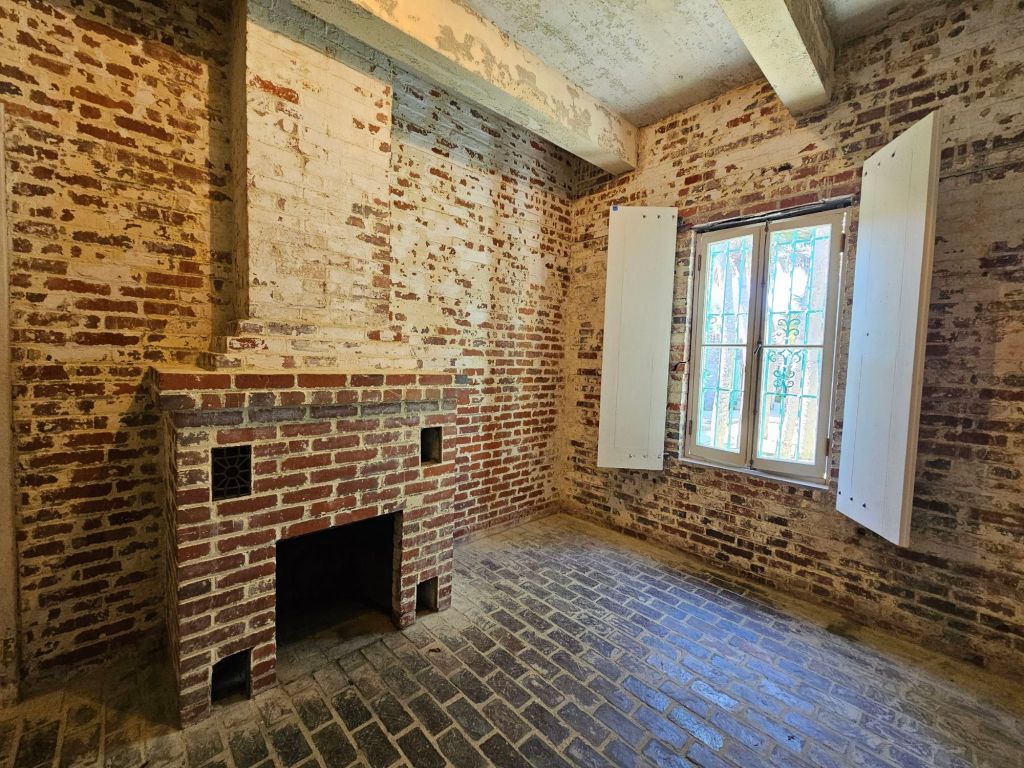
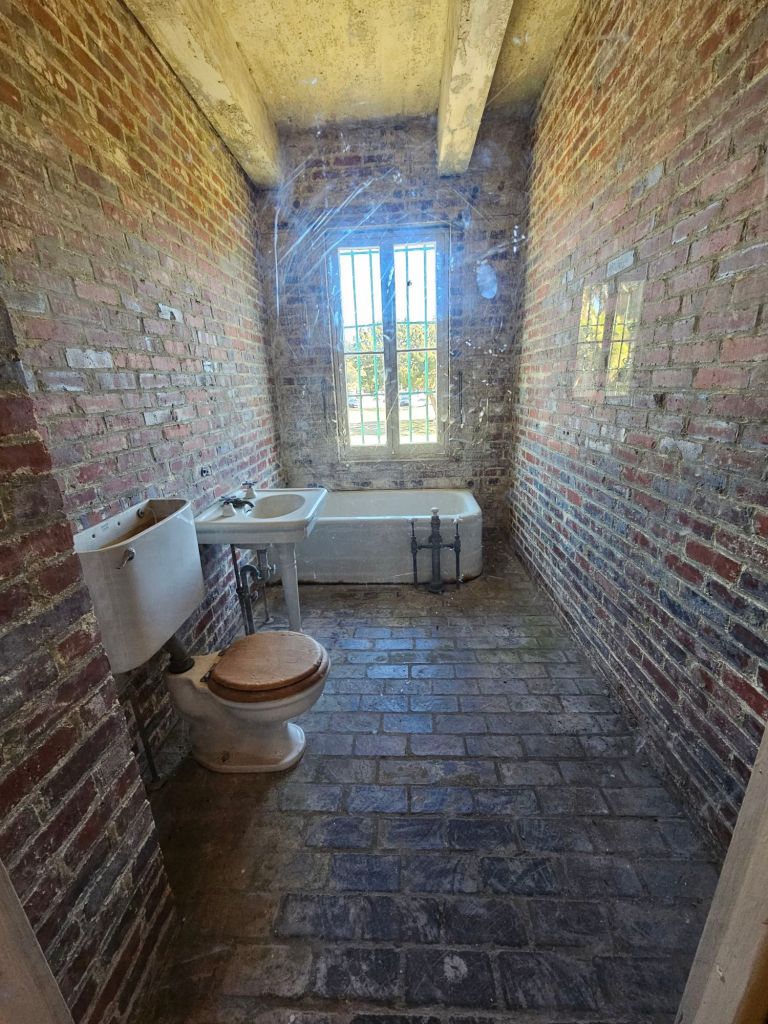
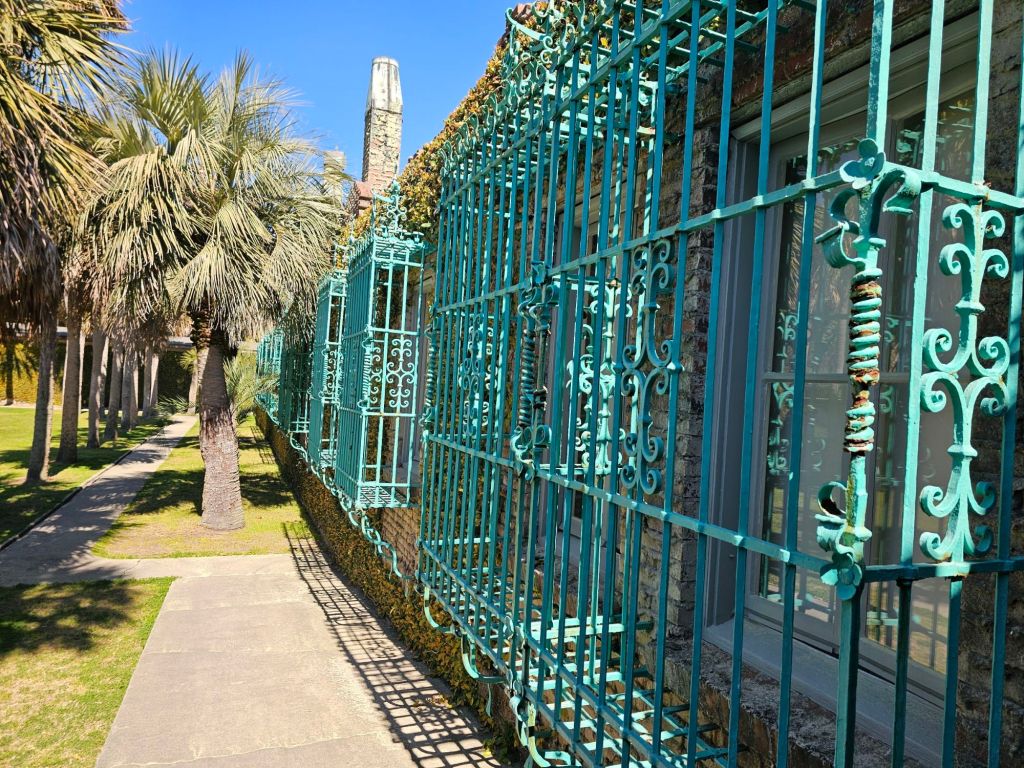
Atalaya, located in Huntington Beach State Park in Murrells Inlet, South Carolina, is a historic Moorish-style castle built in the 1930s. It was the winter home of Archer and Anna Hyatt Huntington, a philanthropist and a renowned sculptor, respectively. Archer Huntington designed Atalaya with coquina stone, giving it a unique, rustic appearance. The one-story structure includes 30 rooms, a courtyard with palm trees, and iron window grilles crafted by Anna herself. Originally, it housed Anna’s sculpting studio and animal pens for live models, including horses and bears.
Ayatala was the Huntington’s winter dwelling. Anna suffered from tuberculosis. There are no guest bedrooms or large entertaining rooms.
 Louise and Brian McLeod Travel Blog
You must be logged in to post a comment.