We are spending 10 days in Portugal. 3 days by ourselves in Lisbon followed by a week in a rented villa on the Algarve in Portugal with a daughter and her family.
We have been to Portugal many times but not in recent history. When our children were young, we lived in Madrid, Spain for a couple of years. Weekend trips to either Portugal or France were mandated every 90 days to have our passports stamped until we obtained our Residencias.
In those days, both Spain and Portugal were coming out of dictatorships, and their economies were very different then than they are today.
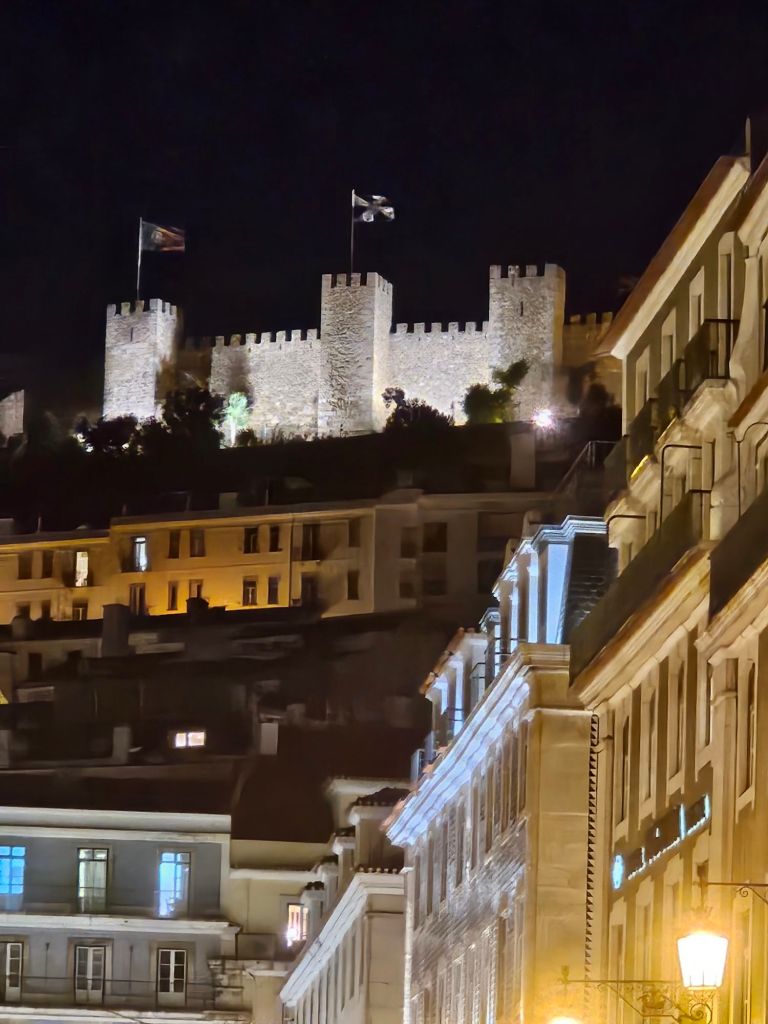
Lisbon is the capital city of Portugal, known for its stunning architecture, vibrant culture, and historic charm. Lisbon is famous for its picturesque hilly streets, pastel-colored buildings, and beautiful views of the river Tagus. The city is also home to several iconic landmarks, such as the Belem Tower, Jeronimos Monastery, and Sao Jorge Castle. The city also has a rich maritime history, evident in its grand squares, cobblestone streets, and historic monuments.
Lisbon, the capital city of Portugal, has a rich and fascinating history that spans several centuries. The city’s history begins with its early settlement by the Phoenicians, followed by the Romans who established it as a significant trading port. In the 8th century, Lisbon was conquered by the Moors, who heavily influenced the city’s culture and architecture.
Lisbon was recaptured from the Moors by the Portuguese in 1147 during the Reconquista, a period of Christian reconquest in the Iberian Peninsula. The city quickly grew in importance as a center of maritime trade and exploration during the Age of Discovery in the 15th and 16th centuries. Lisbon became a prosperous city with a thriving economy, attracting traders, explorers, and artists from all over the world.
In 1755, Lisbon was struck by a devastating earthquake, followed by a tsunami and fires that destroyed much of the city. The Marquis of Pombal, the prime minister at the time, led the reconstruction efforts and implemented innovative urban planning and architectural reforms that shaped the city’s layout and appearance to this day.
During the 19th and 20th centuries, Lisbon faced economic challenges, political upheavals, and social changes, including the Carnation Revolution of 1974 that ended decades of dictatorship and established democracy in Portugal.
Lisbon Day 1
After an overnight flight from Newark, we arrived at our hotel a 9 am. Our rooms wouldn’t be ready until 3 pm but they did offer us breakfast. We were tired, but having left our luggage in storage at the hotel, we set out to wander the streets and have lunch.
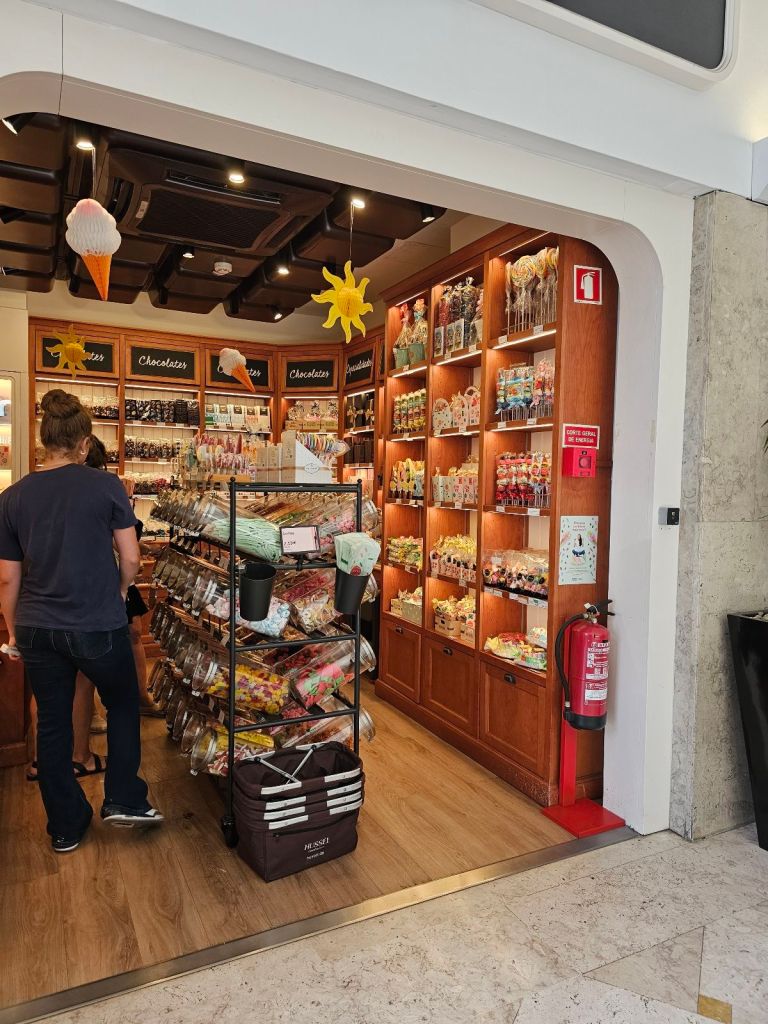
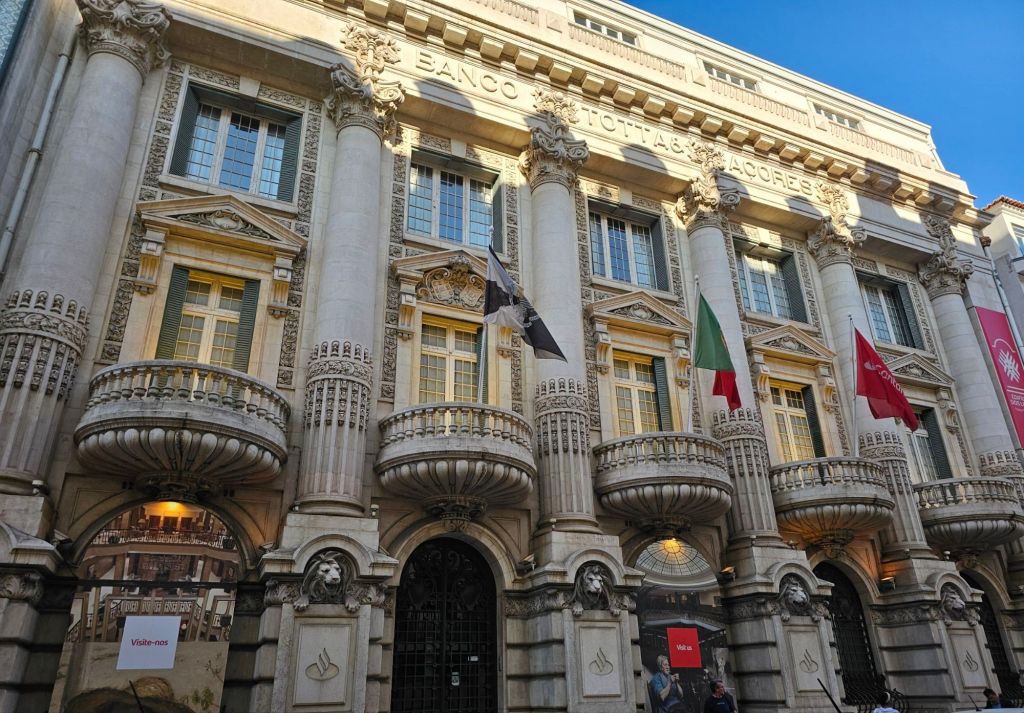
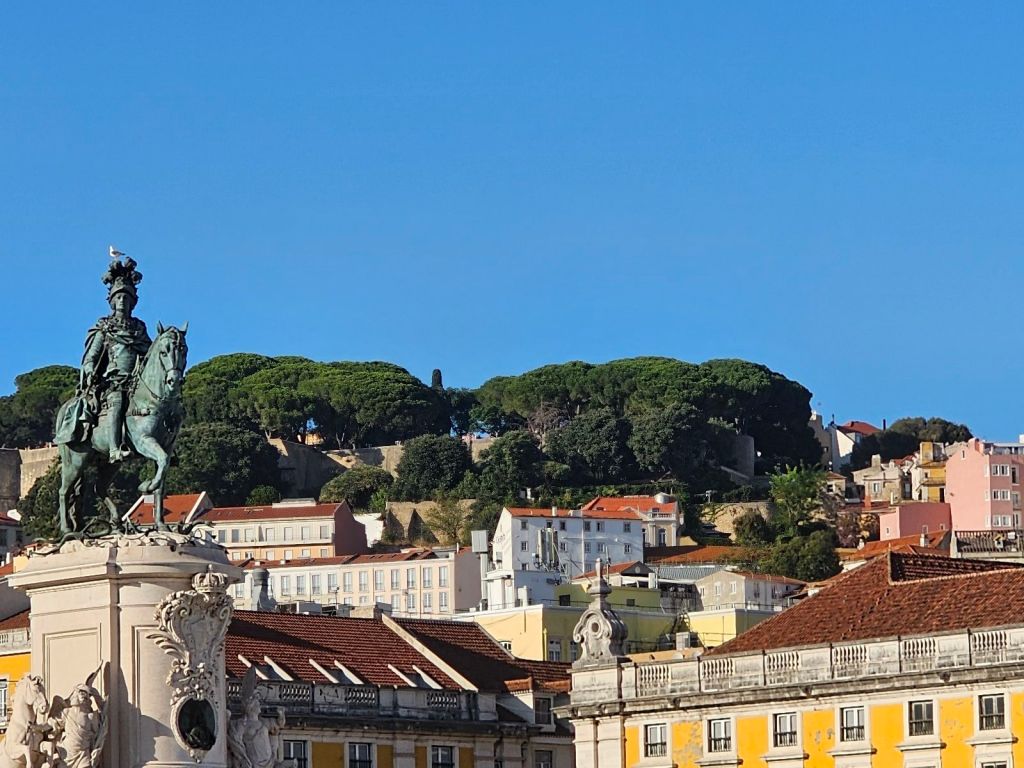
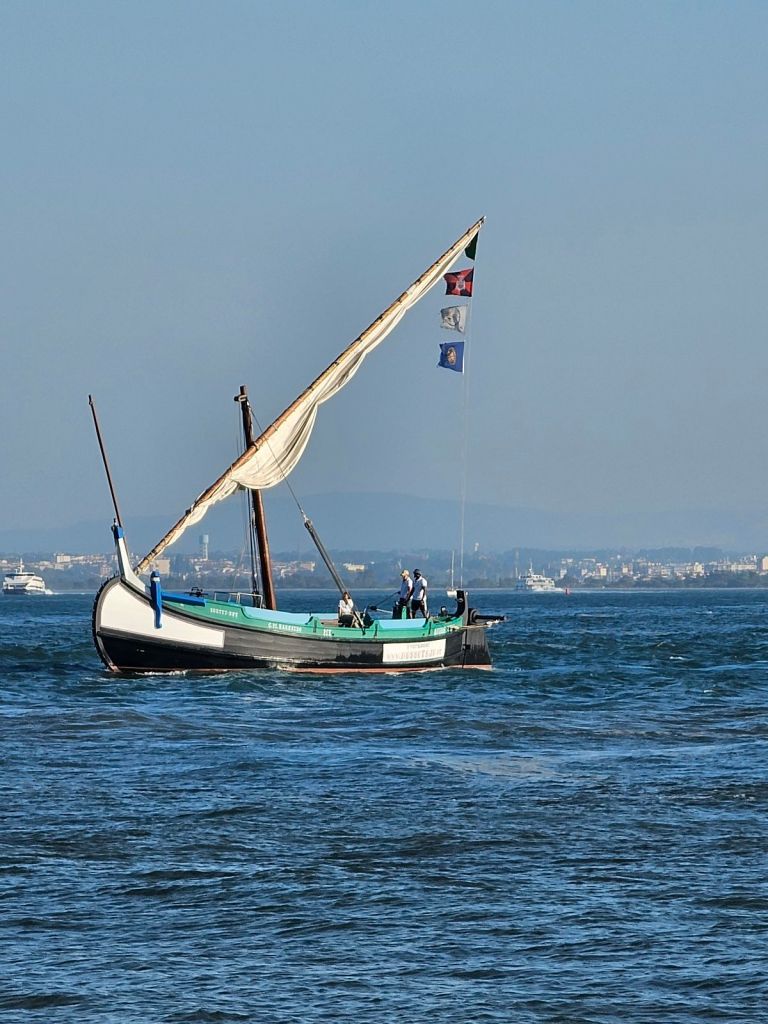
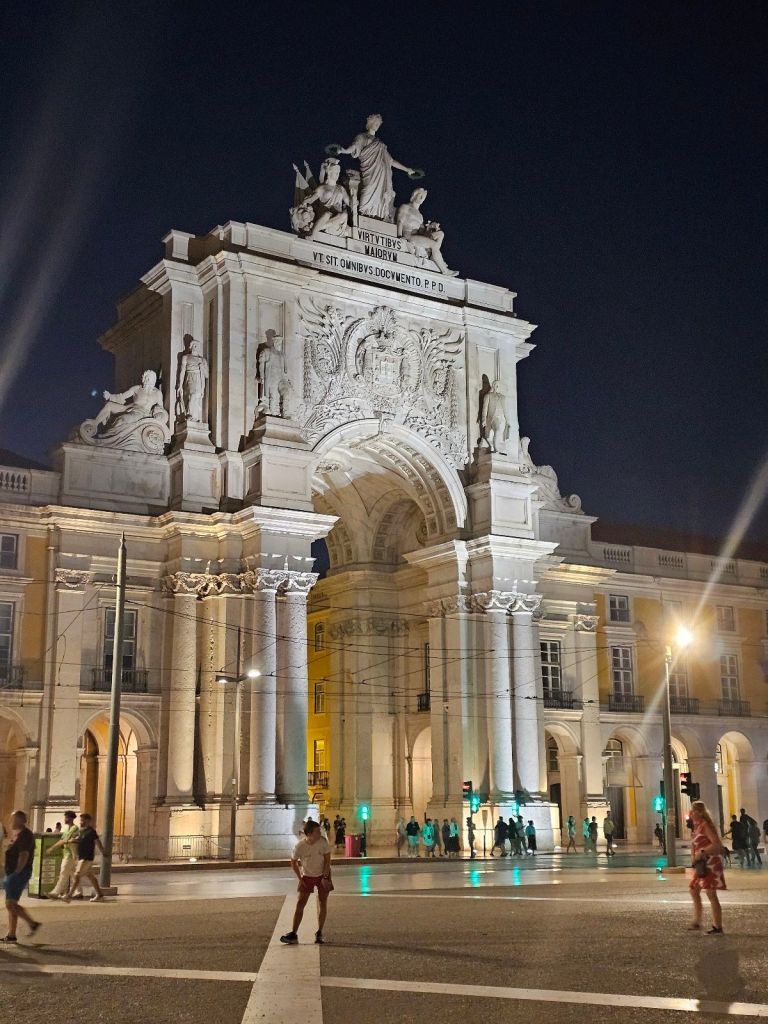
Just some photos of our walk to the river and back again.
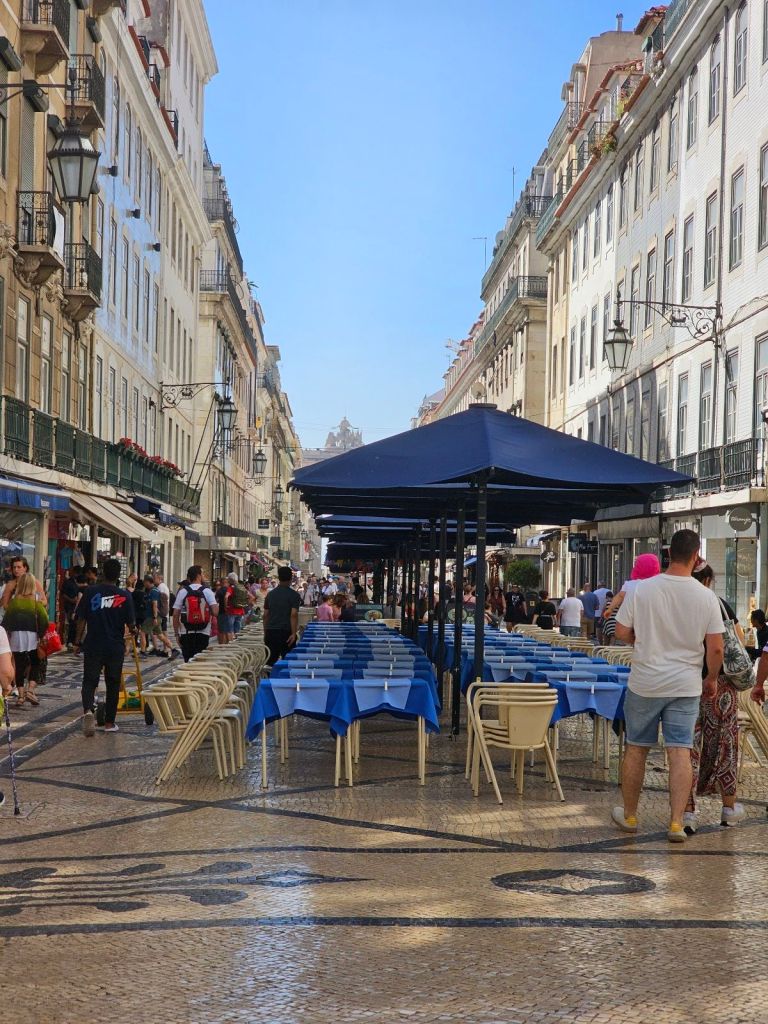
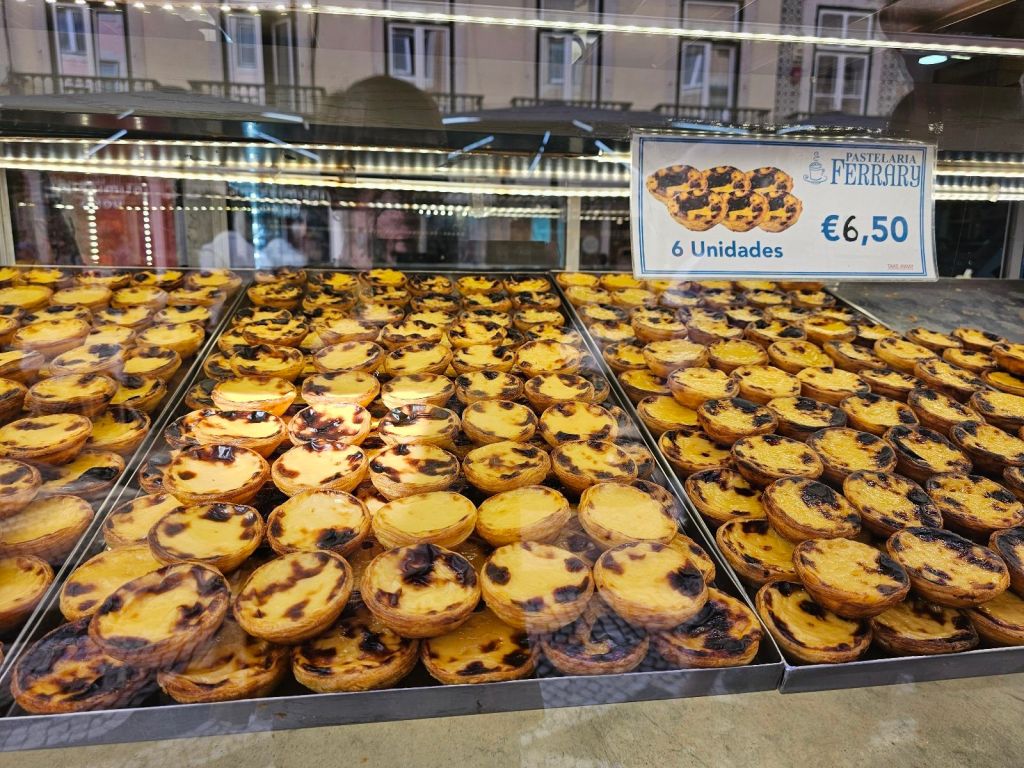
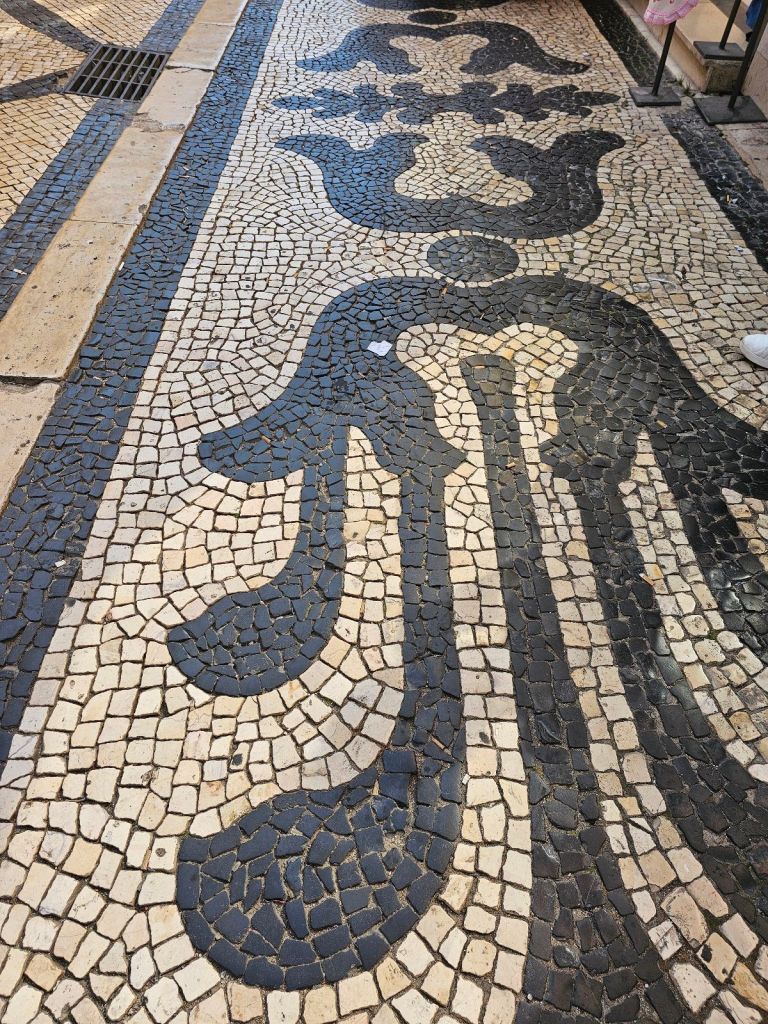
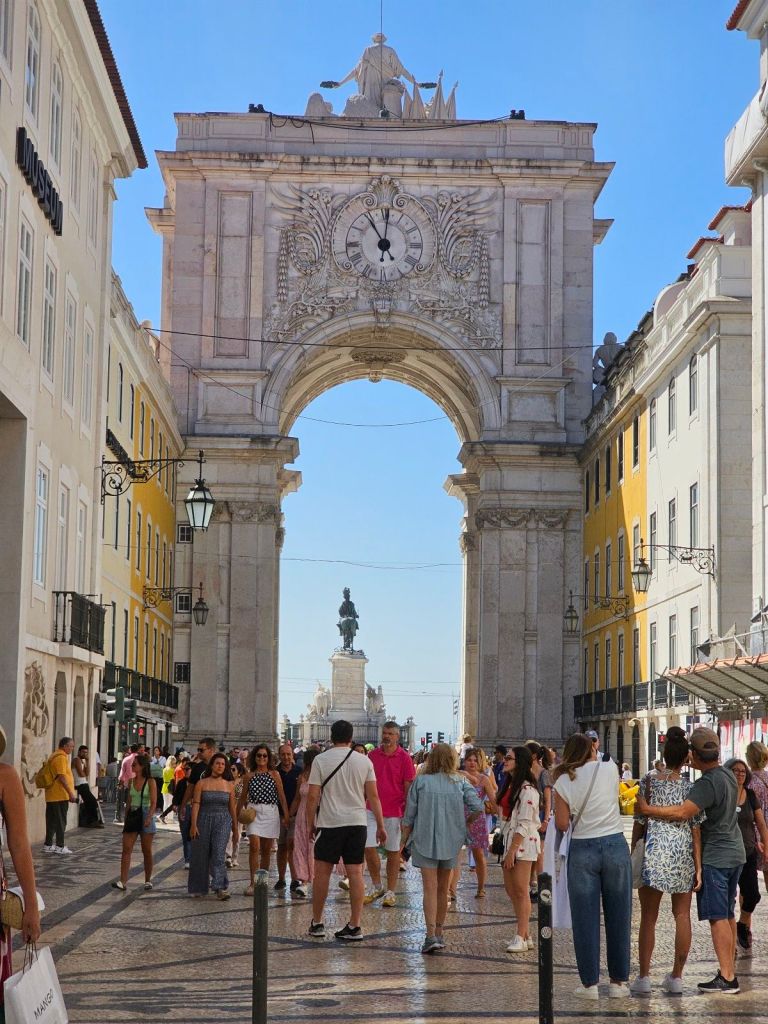
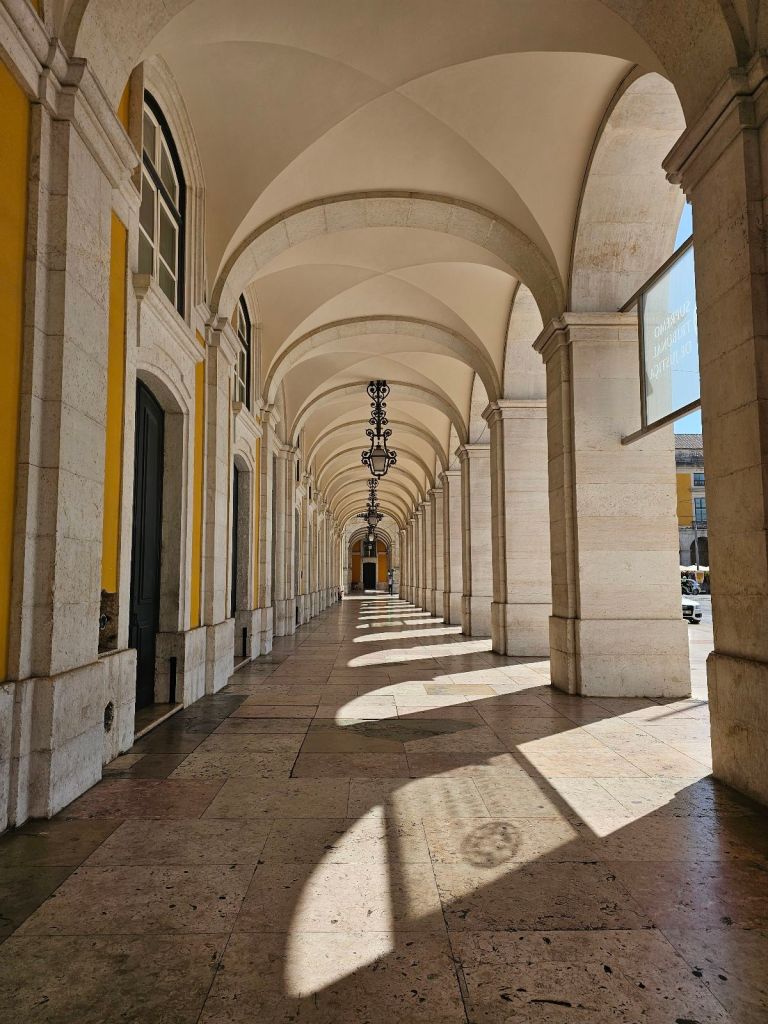
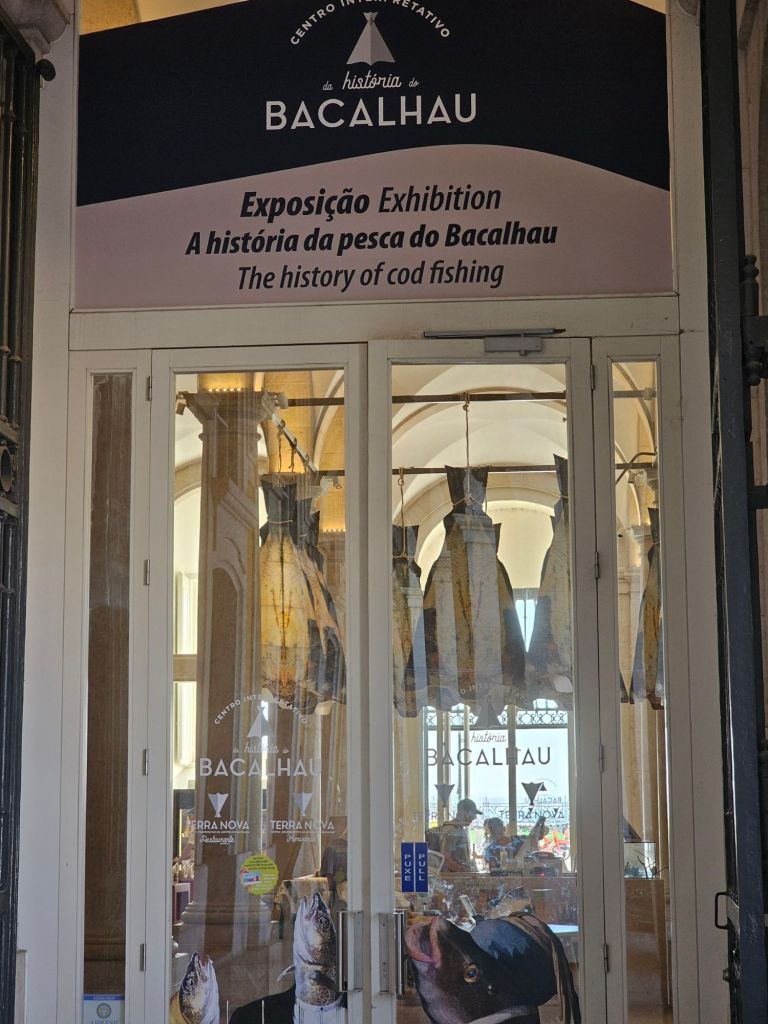

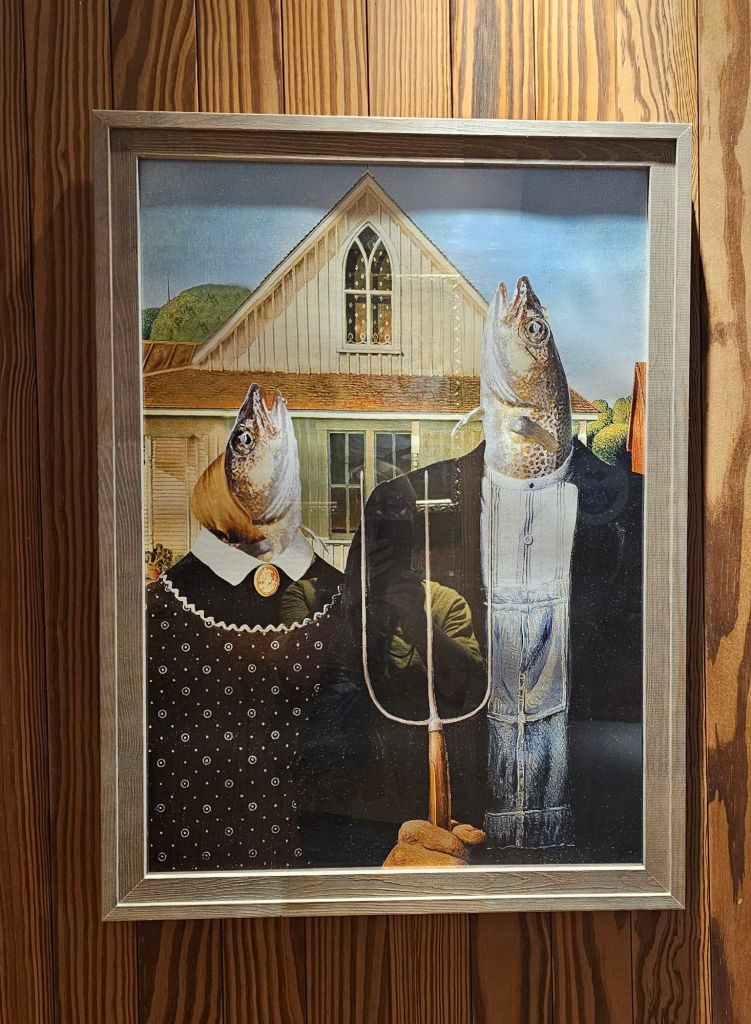
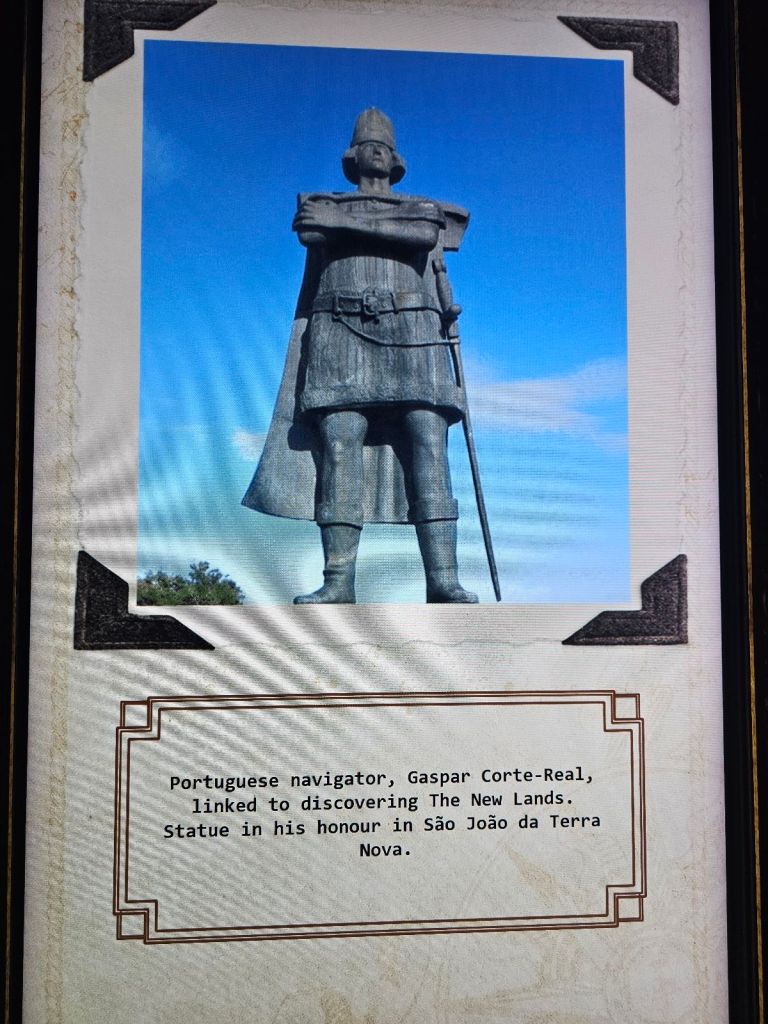
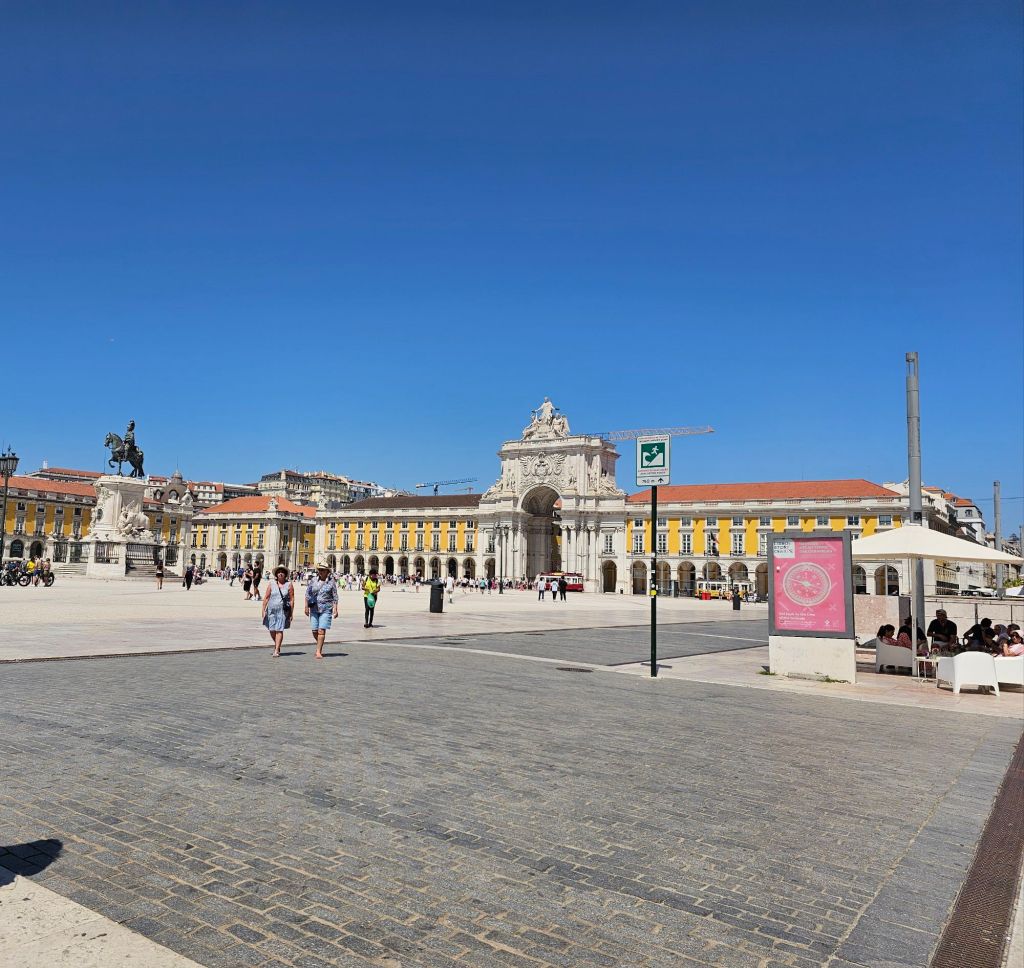
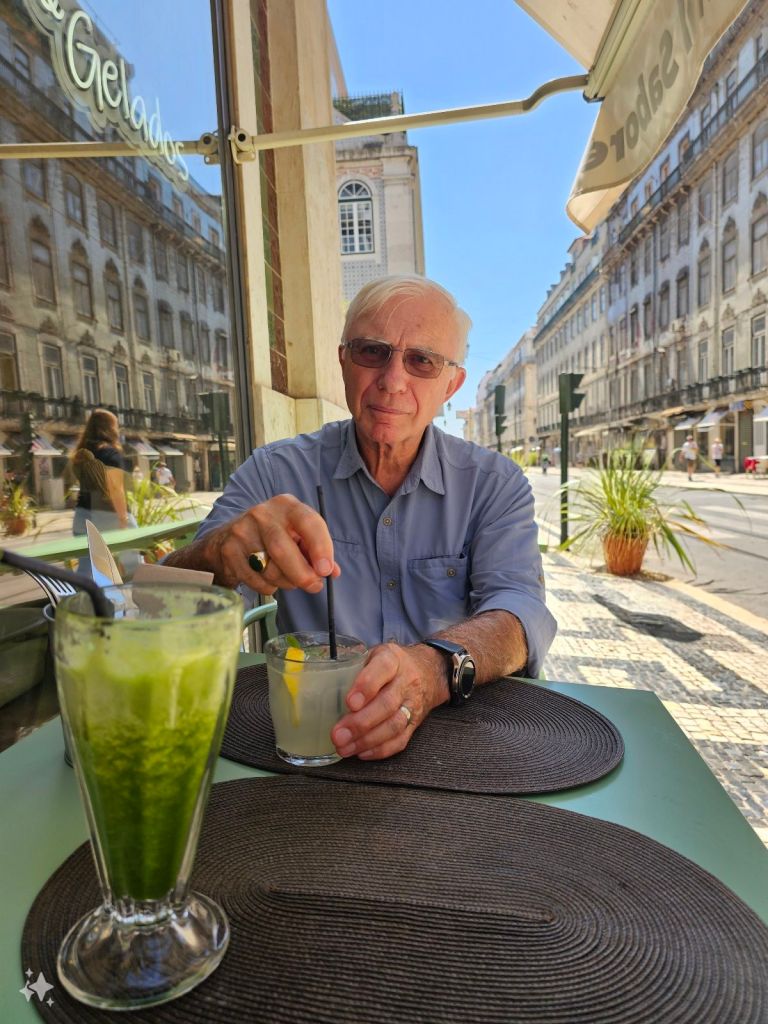
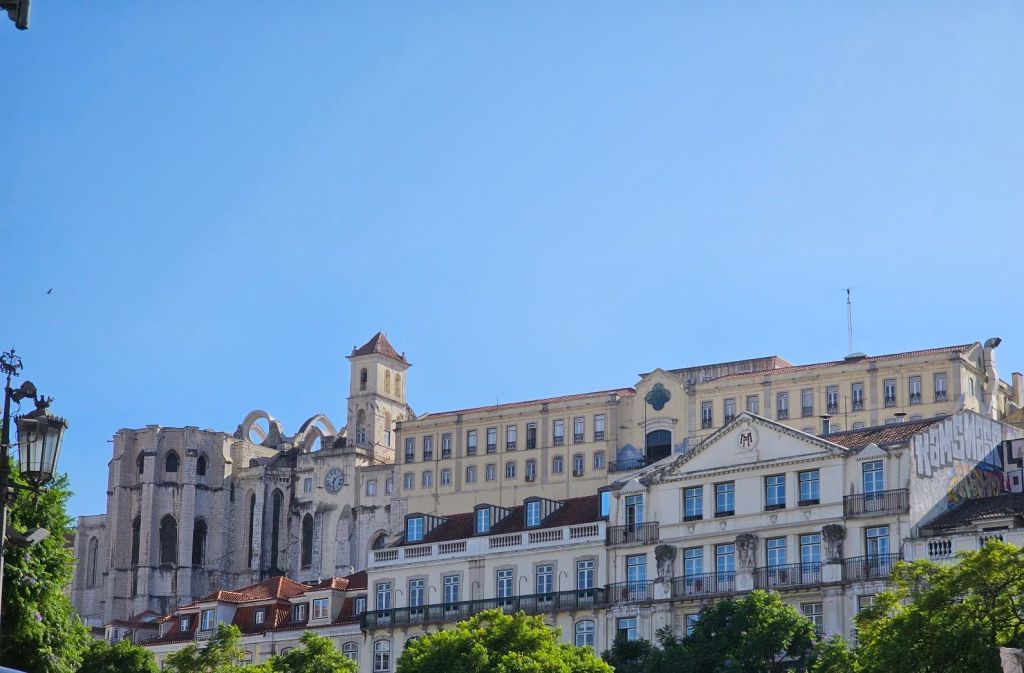
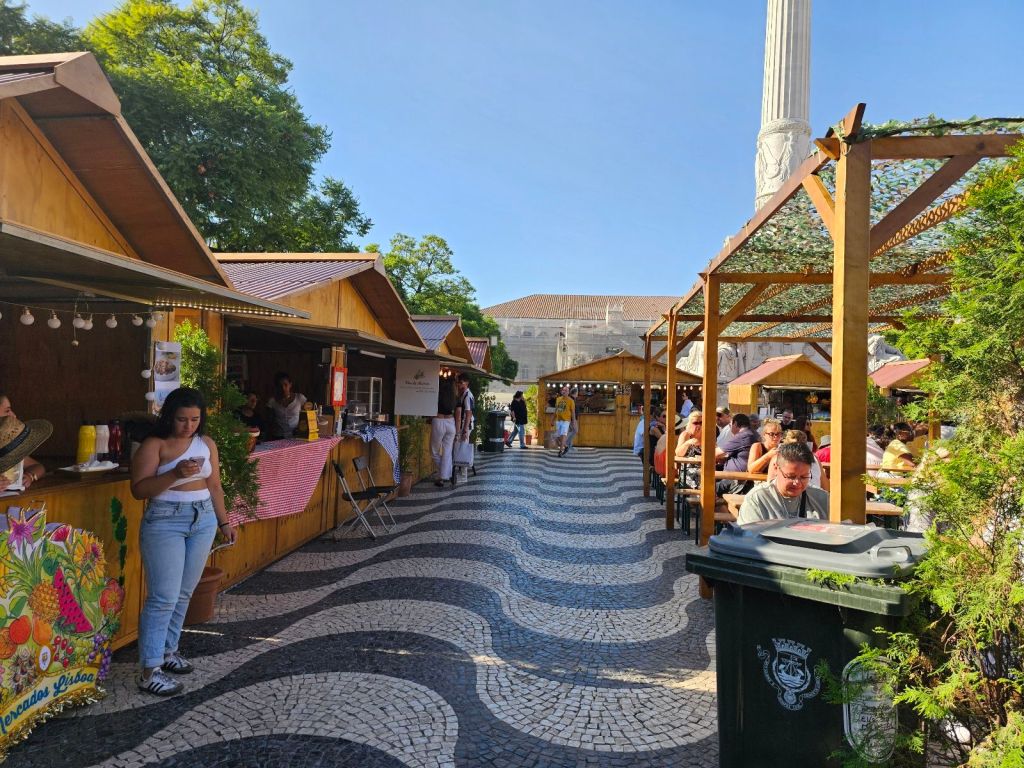
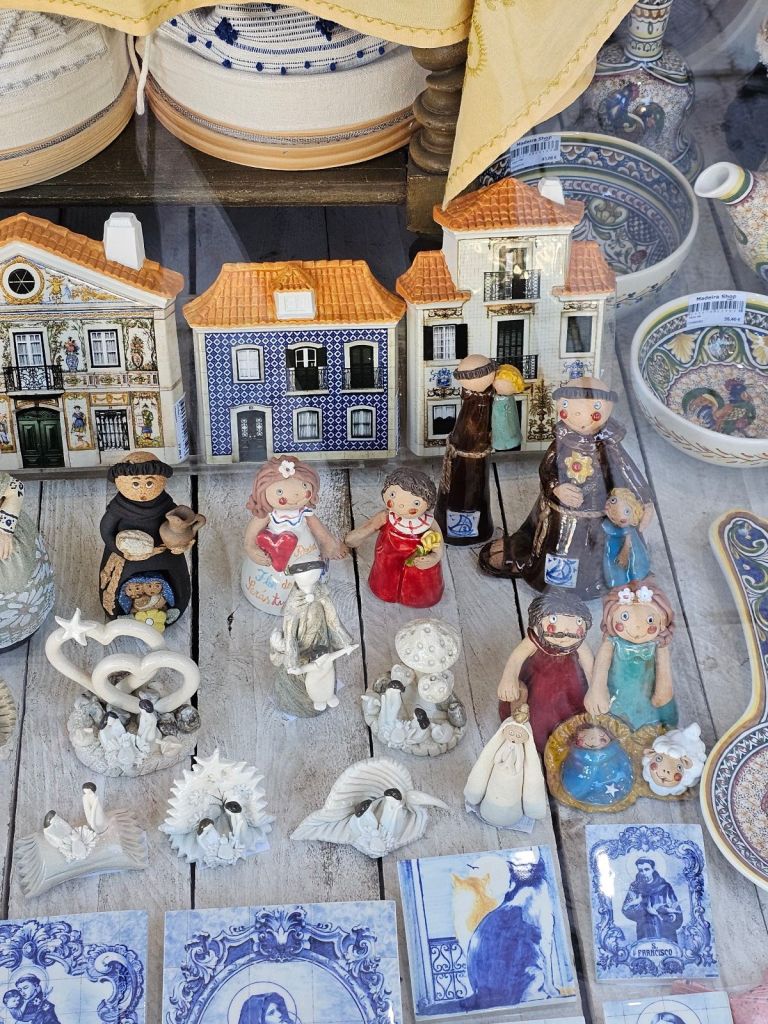
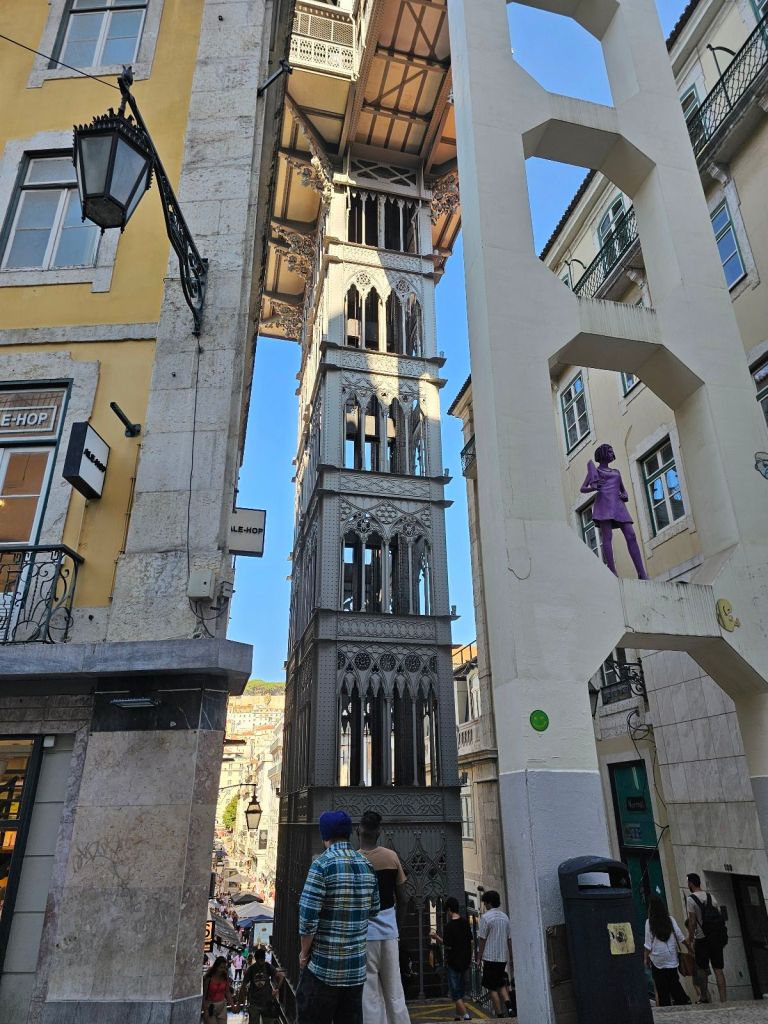
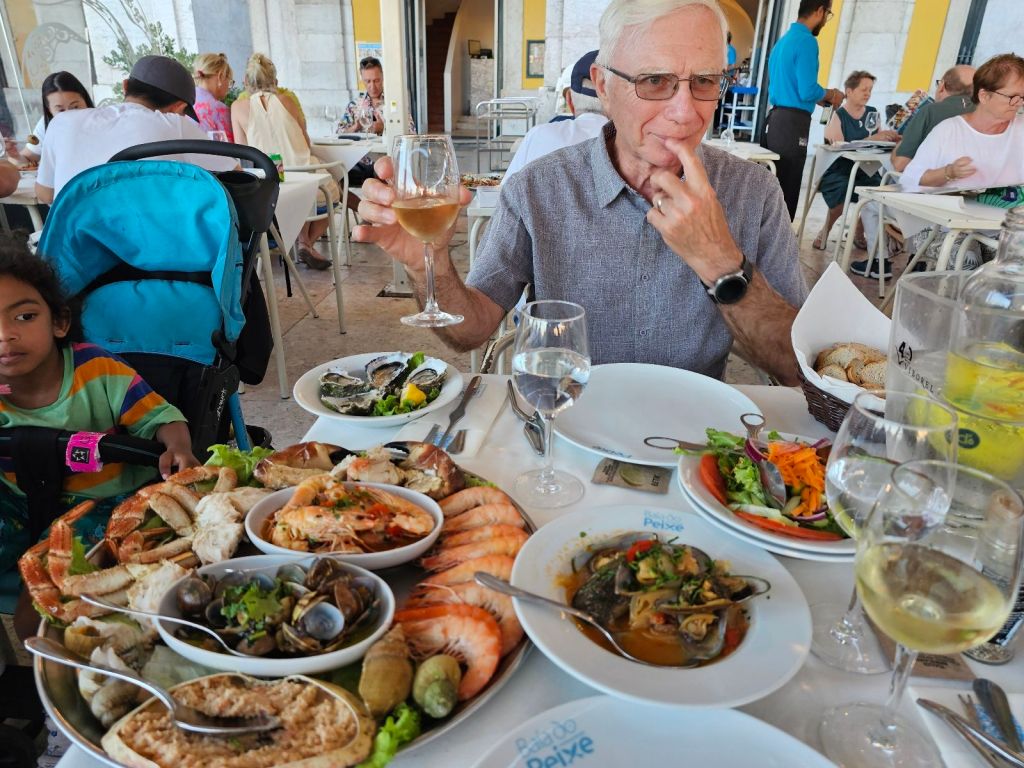
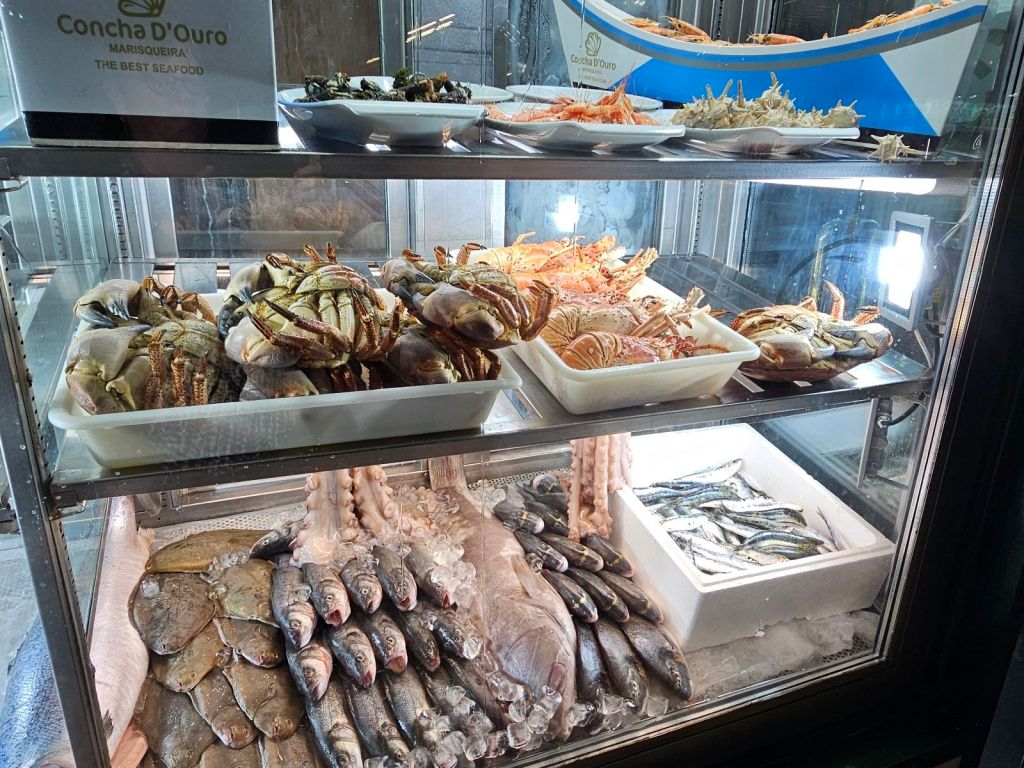
We headed back to the hotel around 2 pm and we’re able to get into our room, shower, sleep and head back out to wander some more and have a fabulous seafood dinner down by the river. We have been to Lisbon several times. We didn’t feel the need to revisit historic sites we have visited before. We just enjoy walking and exploring.

 Louise and Brian McLeod Travel Blog
You must be logged in to post a comment.