Lagos, Portugal is a charming coastal town located in the Algarve region, known for its stunning beaches, historical architecture, and vibrant culture.

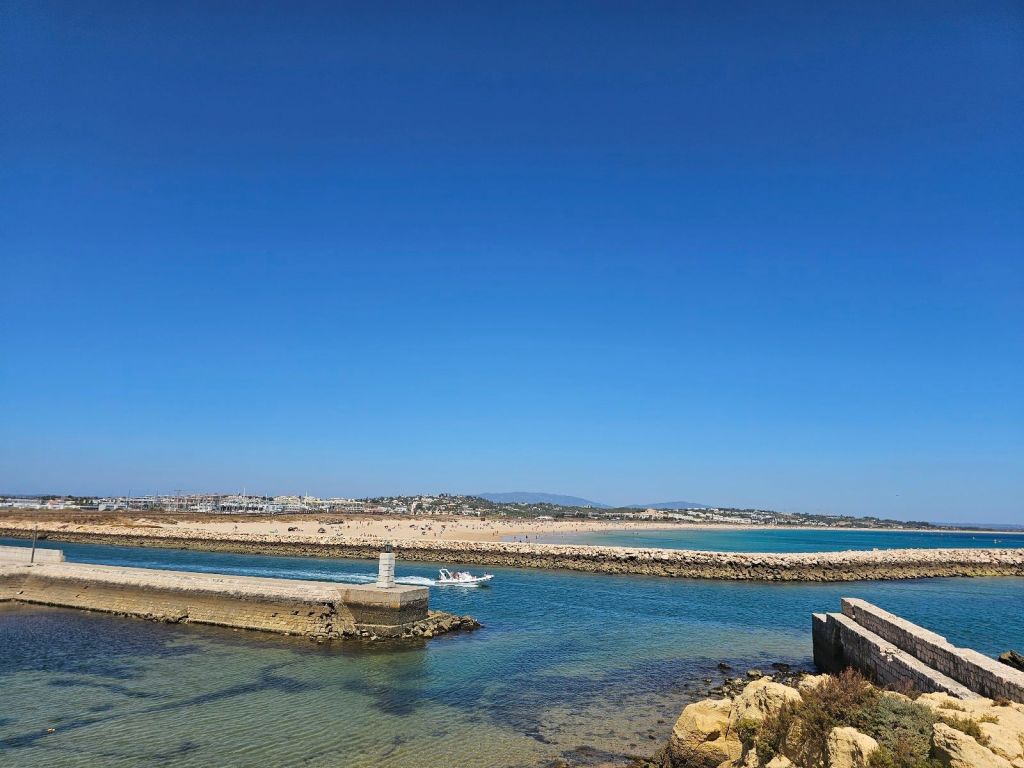
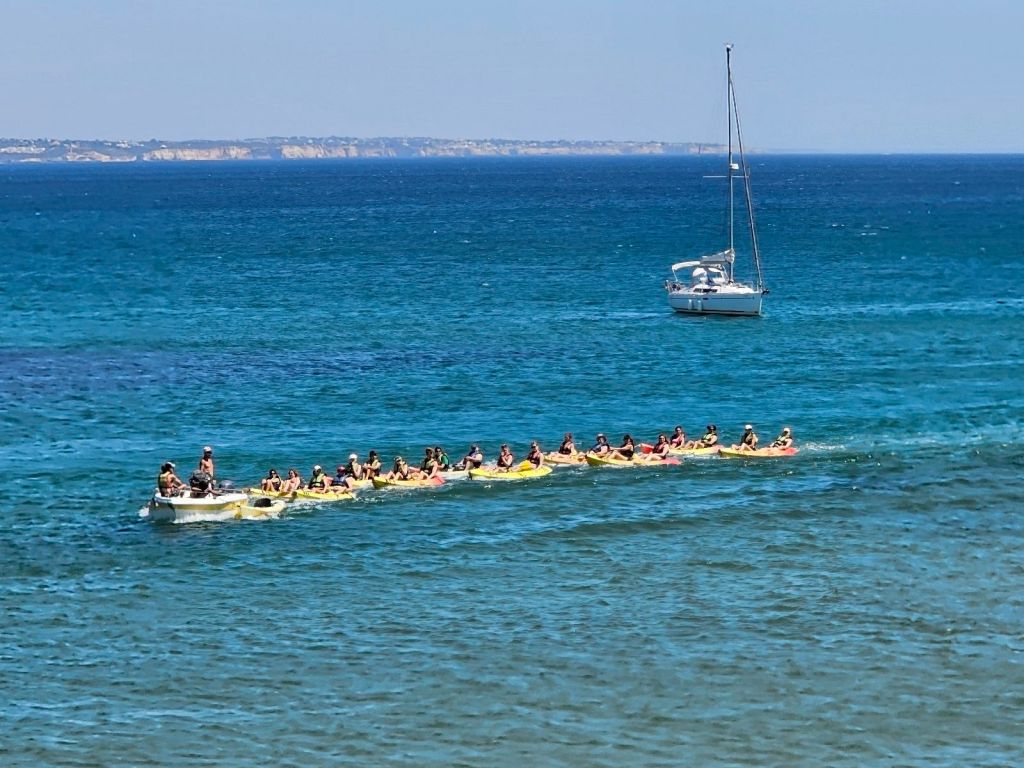
One of the main attractions of Lagos is its beautiful coastline, which features a variety of picturesque beaches with golden sands and crystal-clear waters. Praia Dona Ana and Praia do Camilo are among the most famous beaches in Lagos, offering stunning views of towering cliffs and rock formations. Visitors can also enjoy a range of water activities such as swimming, snorkeling, and kayaking in the pristine waters of the Atlantic Ocean.
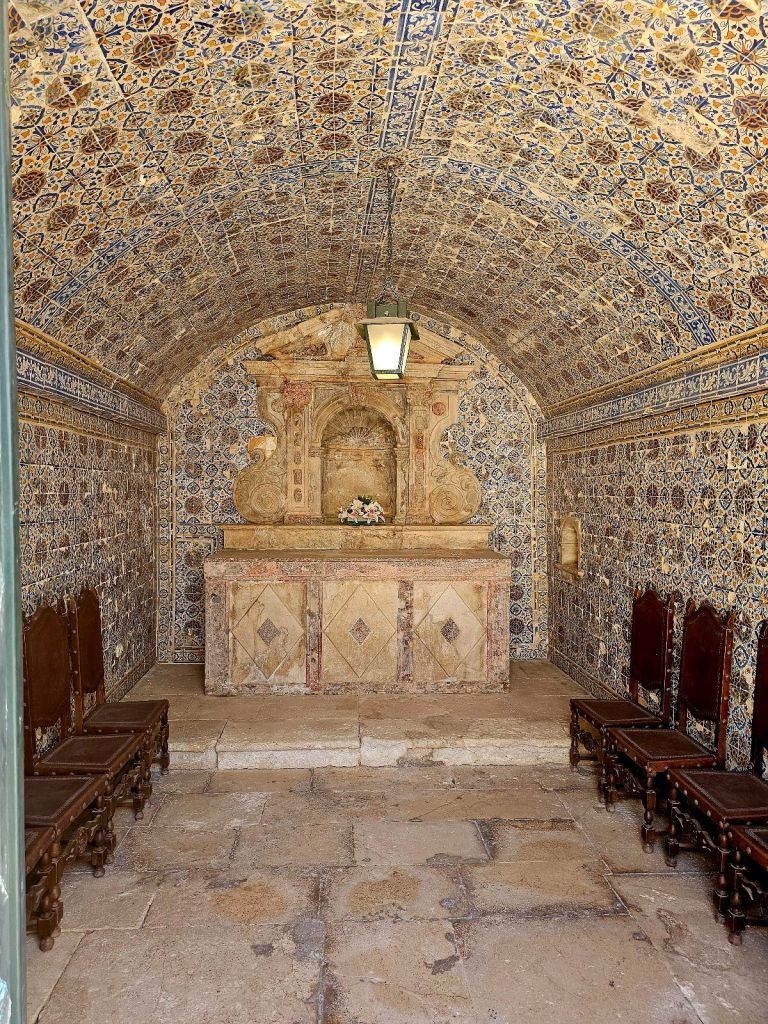
The town is home to several historic sites, including the 17th-century Ponta da Bandeira Fort and the Church of Santo António, a beautiful example of Baroque architecture. The cobblestone streets of the old town are lined with traditional whitewashed buildings, shops, and restaurants.



Earthquake
We had a little 5.9 earthquake around 5:10 am this morning. It woke most of us up.
Earthquakes are relatively rare in Portugal compared to other countries located along active fault lines. However, Portugal is still considered to be a seismically active region, with the potential for moderate to large earthquakes. The most seismically active areas in Portugal are the southern and eastern regions, particularly the regions near the Azores and Madeira islands.
The largest earthquake in recent Portuguese history occurred in 1755, known as the Great Lisbon Earthquake. This catastrophic event, estimated to have a magnitude of around 8.5-9.0, caused widespread devastation in Lisbon and surrounding areas, leading to significant loss of life and property damage.
Since then, Portugal has experienced smaller earthquakes with varying magnitudes. The country has implemented measures to mitigate the impact of seismic activity, such as building codes and emergency response plans.
 Louise and Brian McLeod Travel Blog
You must be logged in to post a comment.