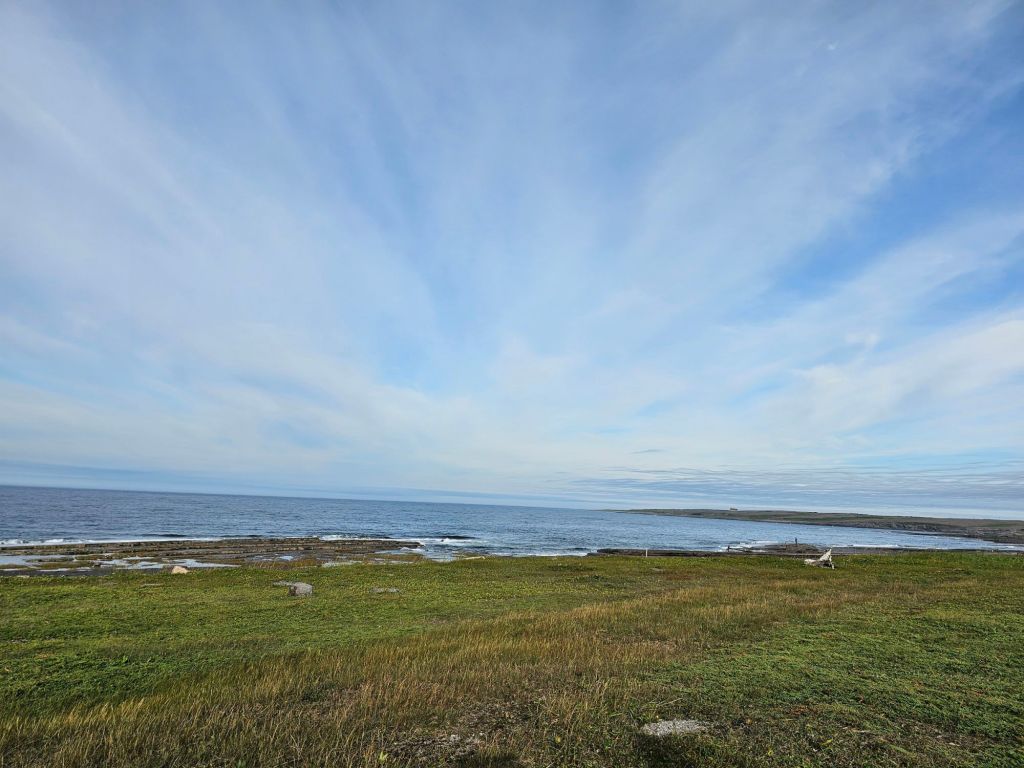
Every day is so different. When we came in here last night it was extremely windy and foggy. This morning we woke up to bright sunshine, merely windy, and warmer. Breakfast on the beach looking out over the Gulf of St. Lawrence. We still need jackets though. Sorry for those of you still suffering the heat. I’ll take this weather any day!
Sitting here watching the waves crash on the rocks, I feel as though we are in the outer Hebrides somewhere.


So the group of Airtreamers in this campground are part of a pre-arranged 2 month caravan tour of Newfoundland. We found the description of it online. What intrigued me most was the description of travel, the rest is normal tourist information… This is not glamping. Your rig should be in good working order and equipped to handle Airstreaming travel maintenance in more remote areas. Although we will plan most stops for hookups, be prepared to manage without for a few days. Be prepared to get wet, bring layers for cooler weather, have wind swept hair, walk and drive in rugged terrain... yep, that pretty much describes our own trip so far!


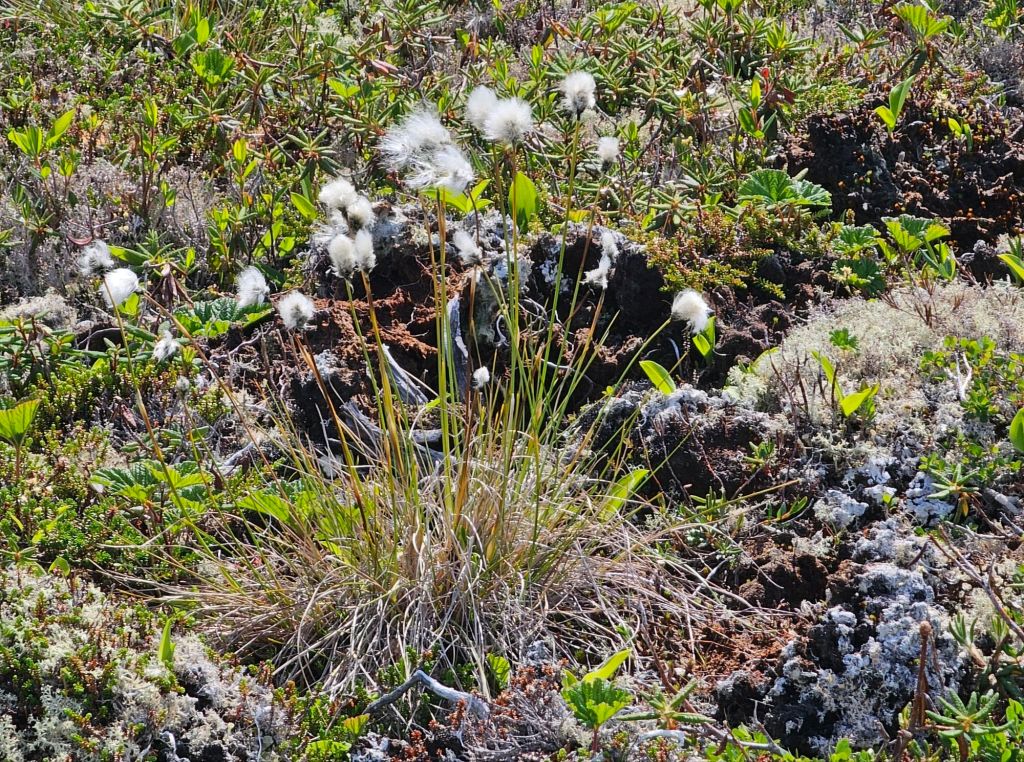
Today we go in search of the Vikings, the main reason we came up to this part of Newfoundland. We have a 2 1/2 drive up the coast to the very tippy top of the North Peninsula. It was spectacular! This is truly magnificent scenery, ocean views, small fishing villages, trees, rock, bog.
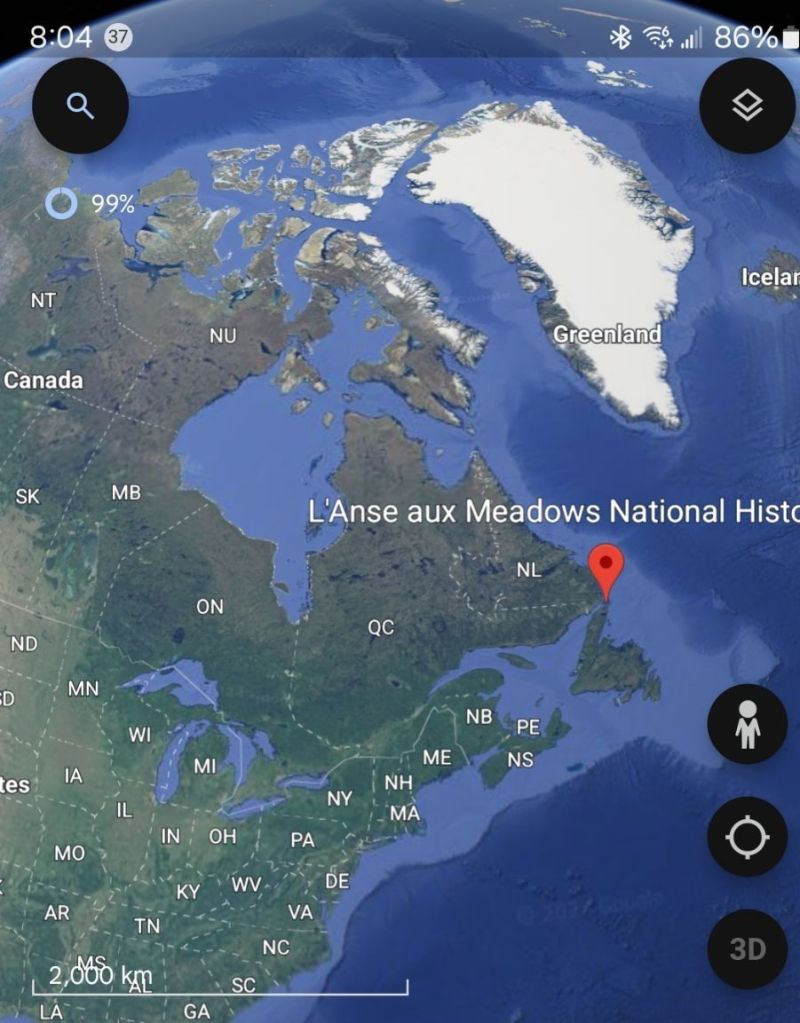
We arrived in L’Anse aux Meadows (which either means Cove of Jellyfish or Cove of Medea, you choose) about noon hour, went to the visitors center to get the lay of the land, then went to Skipper Hot’s lounge for a lunch of scallops and shrimp. We spent the afternoon in the historic site.
Now for some Viking history in Newfoundland, sorry Norse is a better term to use, we were told.
The Norse in Newfoundland
Leif Erikson, the famous Norse explorer, is believed to have been one of the first Europeans to set foot in North America. Around the year 1000 AD, Erikson and his crew landed in an area that is now part of Newfoundland, Canada. This historic journey was known as the Norse exploration of North America, and it predated Christopher Columbus’ voyage by nearly 500 years. Erikson’s exploration of Newfoundland is significant because it represents the earliest known European exploration of the North American continent.
The arrival of the Norse in North America completed the circle of humankind migration from the cradle of Africa eastward through Asia and northward through Europe crossing the land bridge into North America finally meeting full circle on the east coast of what is now Canada.
The Norse presence in Newfoundland is supported by archaeological evidence, including the discovery of a Norse settlement at L’Anse aux Meadows in Newfoundland in the 1960s.
L’Anse aux Meadows is now an archaeological site located on the northern tip of the island of Newfoundland. It is the only known site of a Norse or Viking settlement in North America, dating back to around the year 1000 AD. The site was discovered in the 1960s by Norwegian explorer Helge Ingstad and his archaeologist wife, Anne Stine Ingstad.
The site consists of several turf-walled structures that were likely used as dwellings, workshops, and storage buildings by the Norse inhabitants. It is believed that the Vikings established a small settlement at L’Anse aux Meadows as a base for expeditions further into North America. It was in use for 5-10 years only. It is not sure why it was abandoned, but probably because it was no longer economically advantageous to keep it going. They took everything with them and burned it all to the ground so no one else could use it.
Evidence of Norse presence at the site includes artifacts such as a bronze cloak pin, a soapstone spindle whorl, and a stone oil lamp, as well as the remains of a forge and traces of ironworking. These findings suggest that the Vikings engaged in activities such as metalworking, ship repair, and food preparation during their time at L’Anse aux Meadows.
The site has been designated a UNESCO World Heritage Site in 1978 (one of the first so desgnated) and is now part of L’Anse aux Meadows National Historic Site.

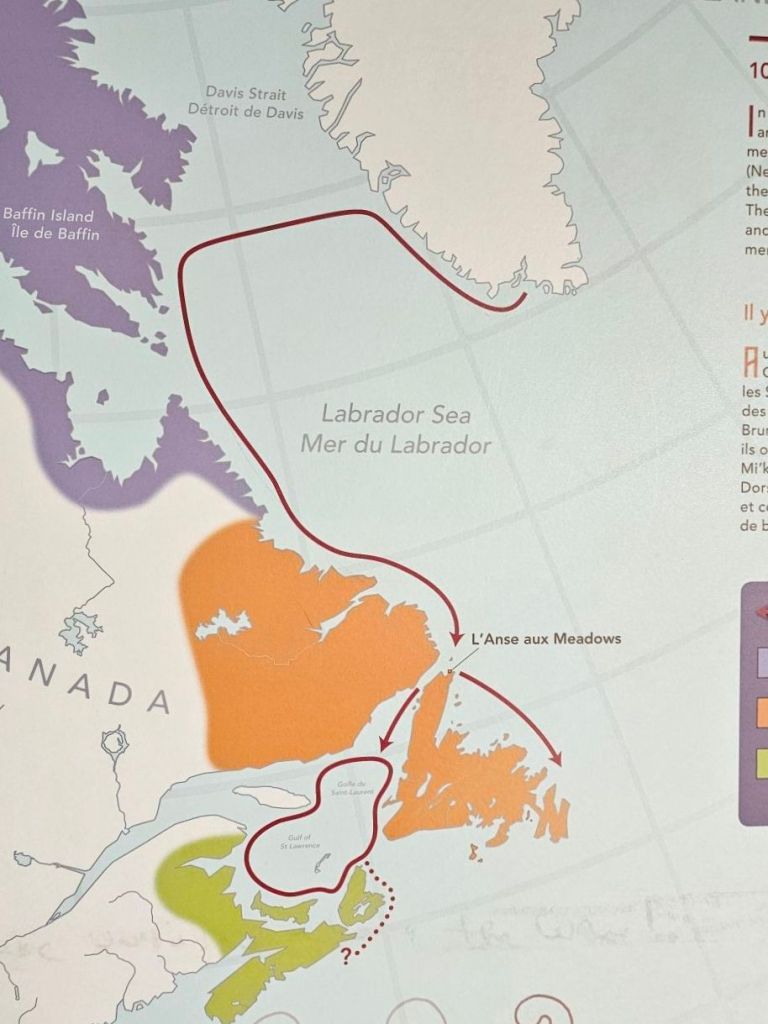
According to the Saga of Erik the Red, Þorfinnr “Karlsefni” Þórðarson and a company of 160 men, going south from Greenland traversed an open stretch of sea, found Helluland (Baffin Island), another stretch of sea, Markland (Labrador), another stretch of sea, the headland of Kjalarnes, the Wonderstrands, Straumfjörð and at last a place called Hóp, a bountiful place where no snow fell during winter. However, after several years away from Greenland, they chose to turn back to their homes when they realized that they would otherwise face an indefinite conflict with the natives.
It is also thought that they visited and traded with natives along the coast of New Brunswick. They were generally interested in timber and fruit, particularly currents and grapes.
Vinland is the general designation for all of their North American settlements. The jury is still out on the exact location(s).
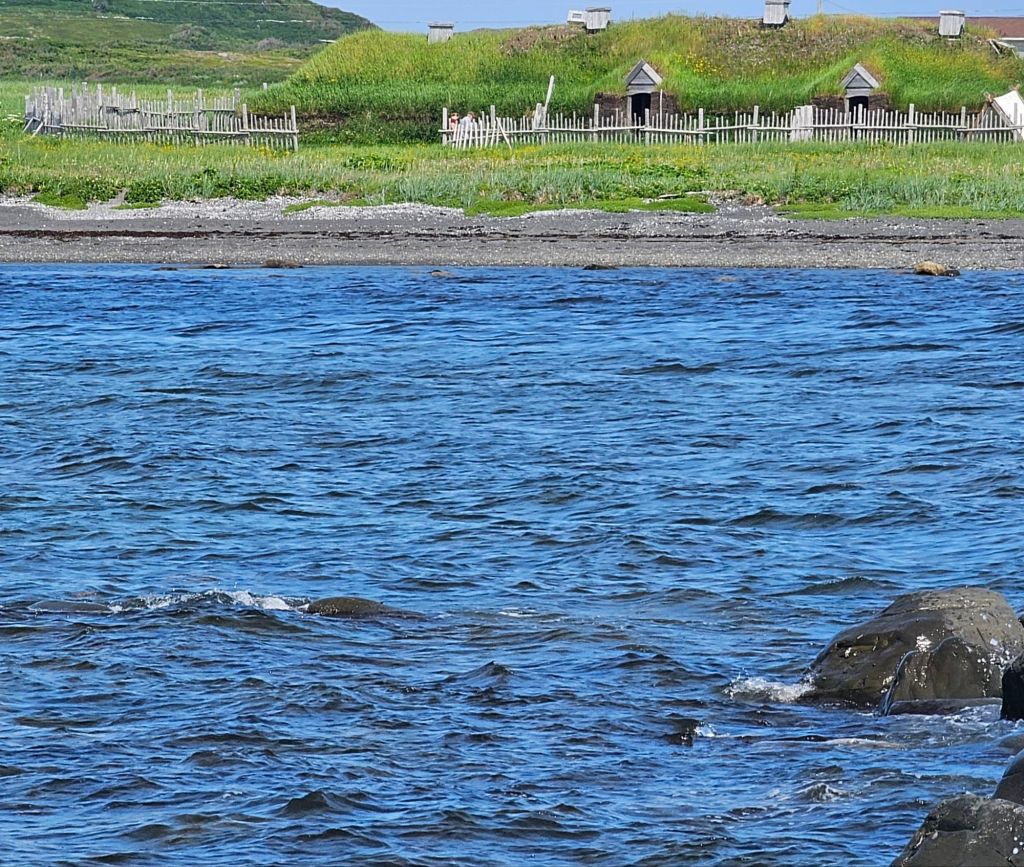
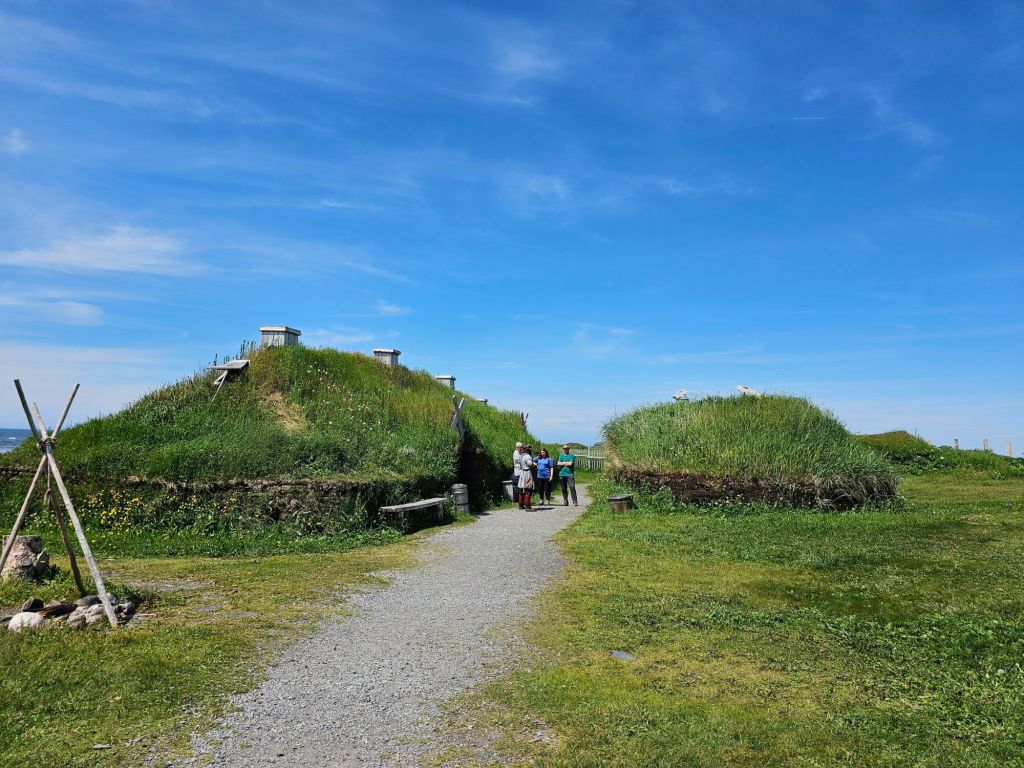

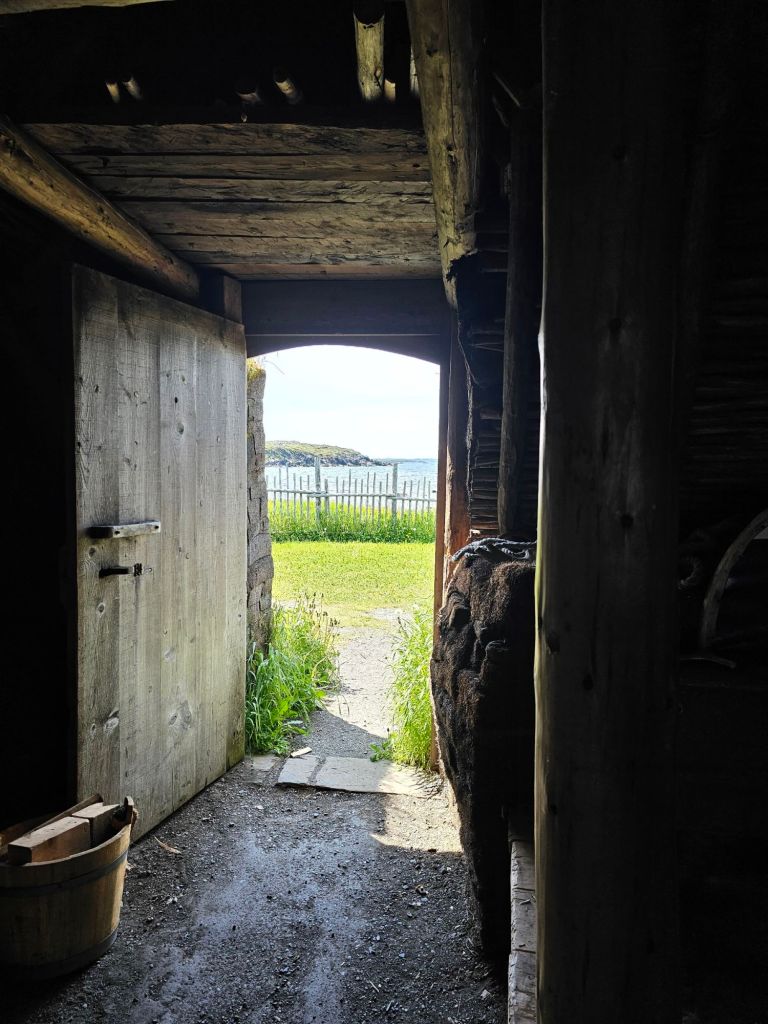


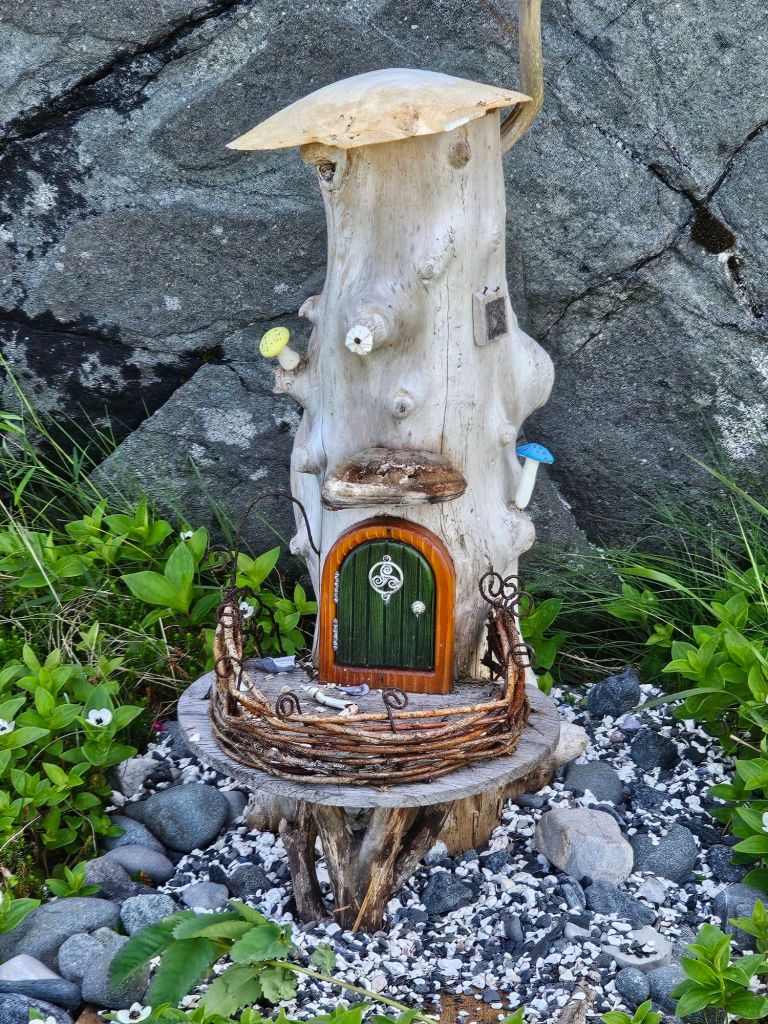
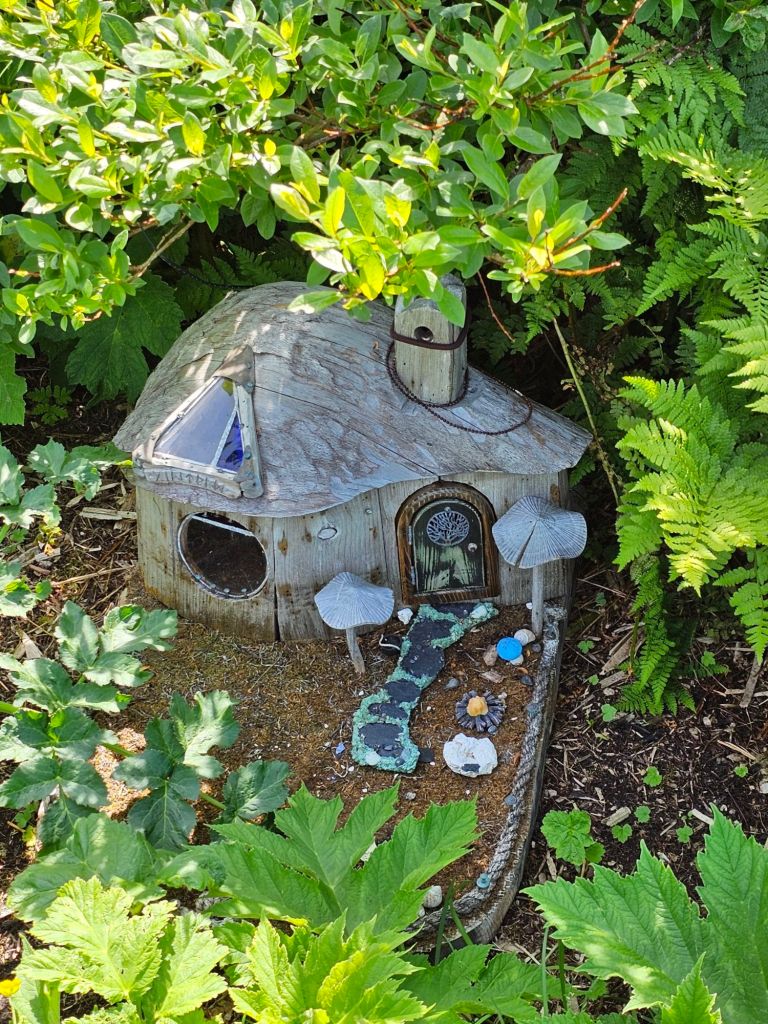
This is an exceptionally beautiful place. We walked back to the parking lot along the shore trail, about 2 1/2 km, finding scenic, relaxing places to sit and enjoy the beauty even finding fairy houses along the way.





It’s a hot day today, well into the 80s. We needed a cold beer for sure when we got back. We’re kind of sandwiched in the corner of an RV park nearby. Brian sat and chatted with our neighbours from Ontario while I listened to a side event of the UN High Level Political Forum.
As soon as the sun started to go down, it cooled off. There are beautiful thunderheads tonight, and we can hear thunder way off in the distance, but nothing is on the weather radar.
Sitting here with crackers, cheese, pate, a salad and white wine. Quiet piano music in the background. Brian has book club tonight. Hard to believe a month has gone by already. This trip is flying by.

 Louise and Brian McLeod Travel Blog
You must be logged in to post a comment.