The upside of being dropped off at Port aux Basque is that we have more time to explore Gros Morne NP and do some hiking. We headed off this morning to hike the Tablelands Trail above Woody Point on Bonne Bay.
Given the inclination of the weather to deteriorate in the afternoon, we chose to do this in the morning, which turned out to be the wise choice. It was chilly and misty after the rain yesterday with more expected.

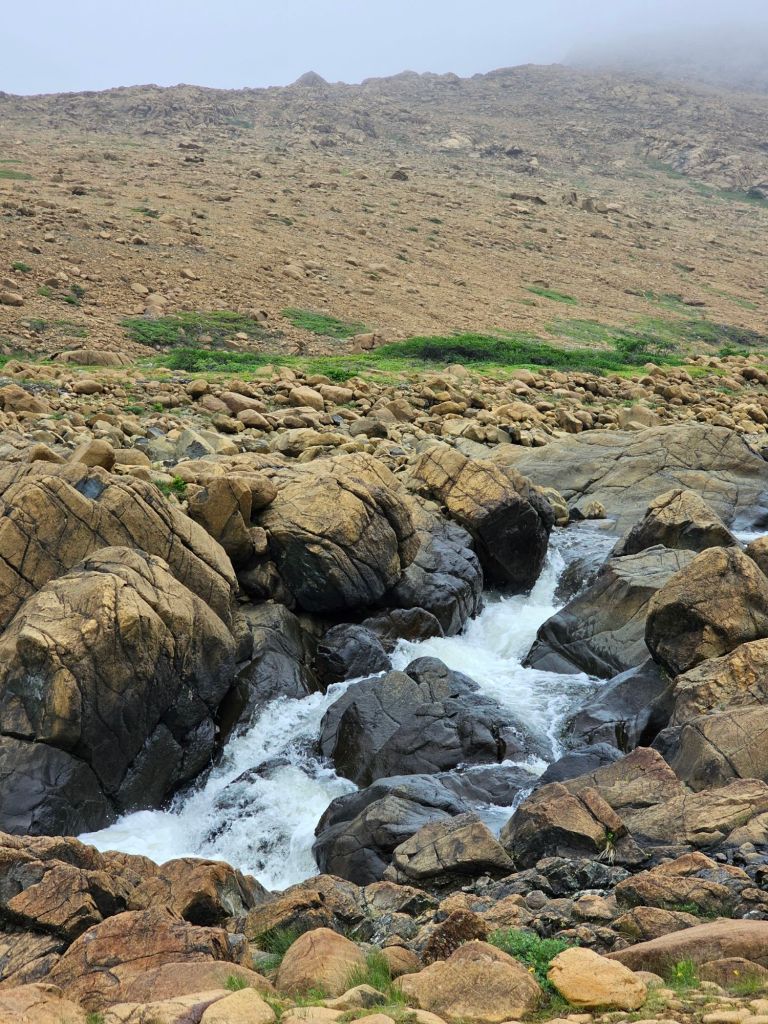
This Tablelands trail is a relatively easy trail about 3 miles in length over some of the most unique geological features on earth, a walk on the earth’s mantle!It was amazing to imagine the extreme forces that created those mantle rocks we were walking on.

Tablelands, Gros Morne NP
The Tablelands in Gros Morne National Park in Newfoundland, Canada, are a remarkable geological feature that offers a unique glimpse into the Earth’s mantle. Composed mainly of peridotite, a dense, coarse-grained rock that is typically found in the Earth’s mantle, the Tablelands stand out starkly against the surrounding landscape due to its distinct, rusty orange color. This coloration is a result of the oxidation of the iron-rich minerals within the peridotite, such as olivine.
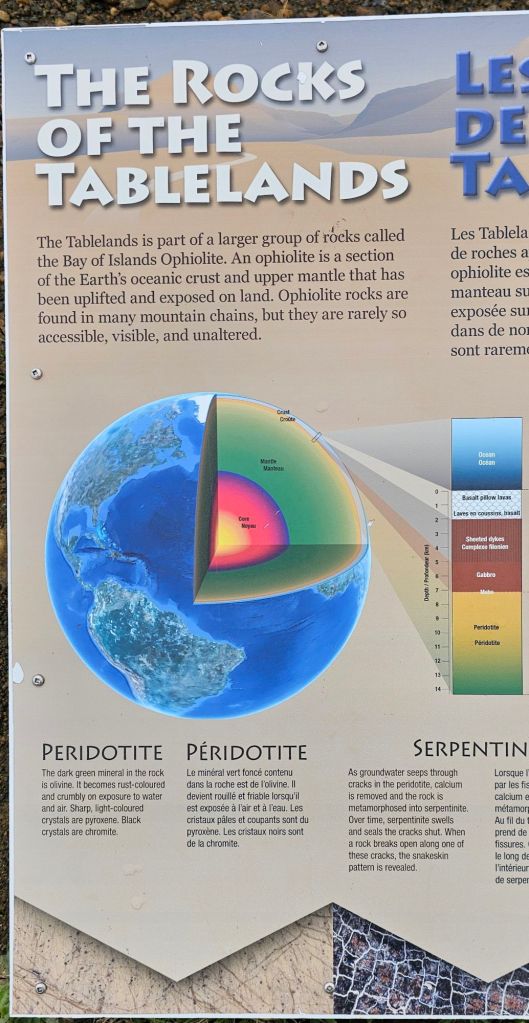
The significance of the Tablelands lies in the fact that this exposed section of mantle rock is rarely seen on the Earth’s surface. The peridotite rocks in this area originated from the Earth’s mantle and were thrust up to the surface during a tectonic collision between continents millions of years ago. This tectonic activity caused the overlying crust to be stripped away, revealing the mantle rocks that now form the Tablelands.

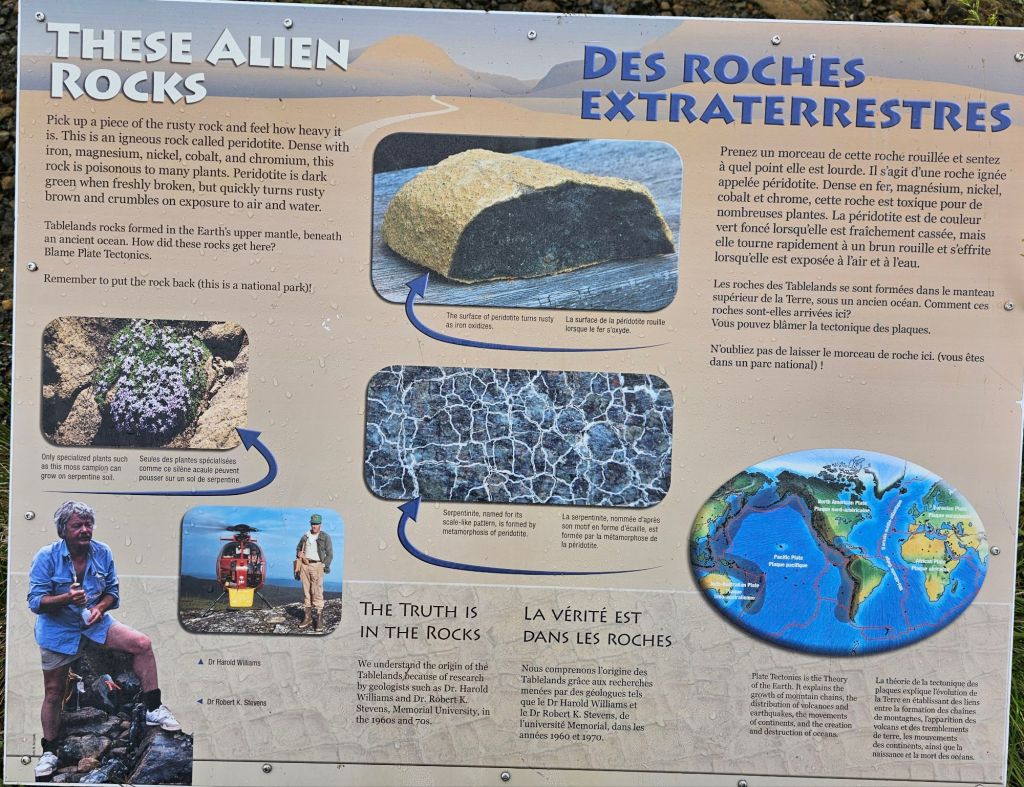
The unique geological composition of the Tablelands also plays a crucial role in the region’s ecology. The nutrient-poor soil derived from the peridotite rocks creates harsh growing conditions for plants, leading to a diverse and specialized ecosystem of rare plant species that have adapted to thrive in this challenging environment.
Tableland rocks are high in nickel, magnesium, chromite, iron, cobalt, olivine, clinopyroxene, and orthopyroxene. These are some of the oldest rocks on Earth. But when mantle rock decomposes, it produces soil that is toxic to most plants.
The plants below live on the borders of some of the most toxic soil conditions (for plants) on earth.



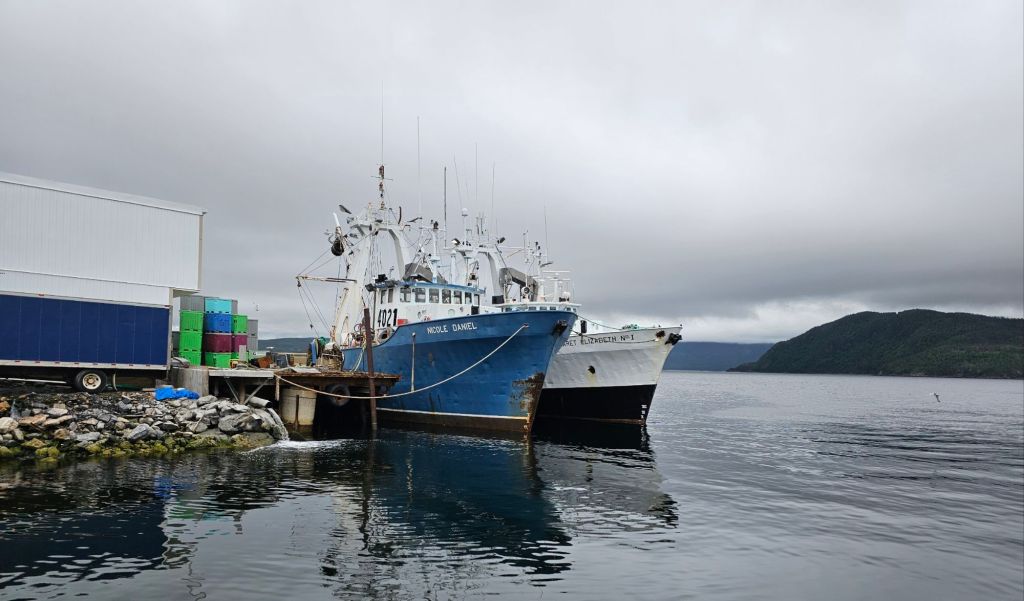
In keeping with the rhythm of having lunch out, we drove down to Woody Point on Bonne Bay in search of food. It wasn’t hard to find a good spot. Woody Point is a charming fishing village on Bonne Bay. We wandered around town. I purchased some hand dyed yarn in the local craft shop.


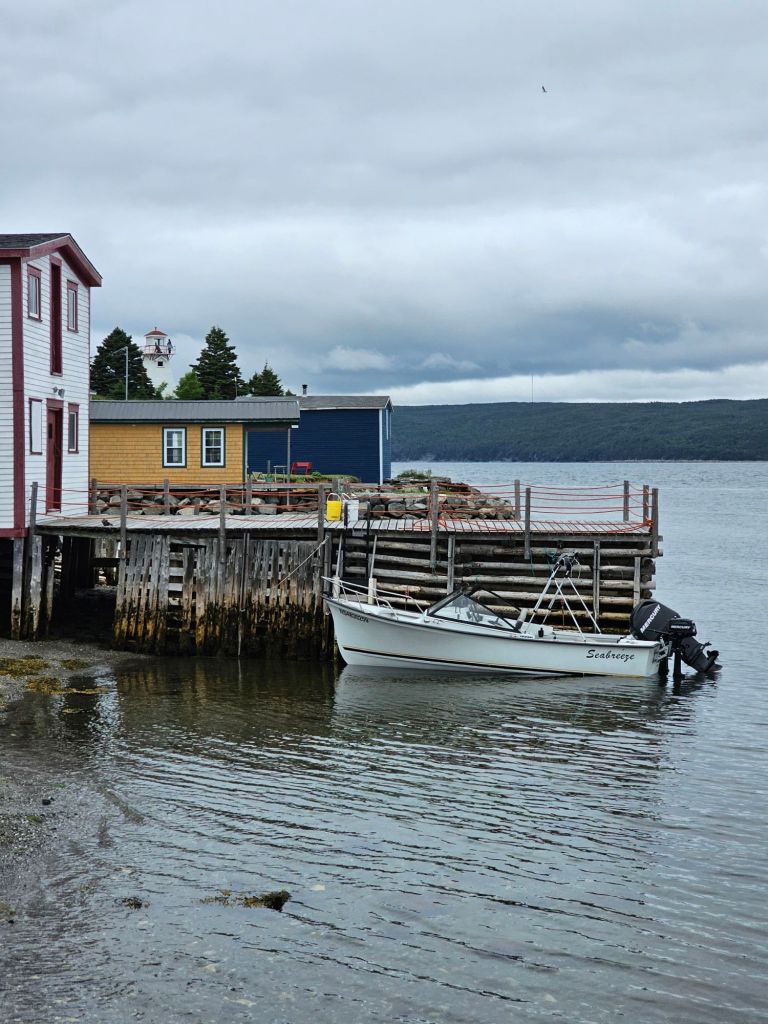

We arrived back in camp about 5 minutes before it started raining again. I think I should have bought one of the rug hooking kits at the craft shop. 🤔 Tomorrow is supposed to be nice! At least we got our hike in and a nice lunch.


It stopped raining about 4 pm and we went for a walk down to the beach here.
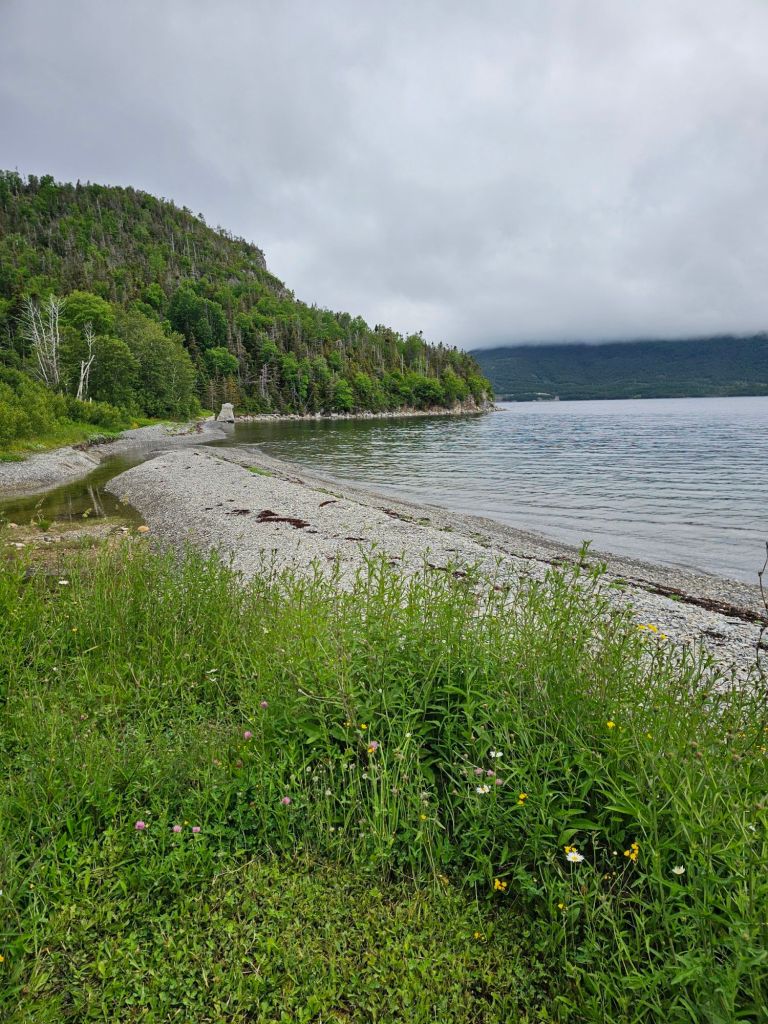
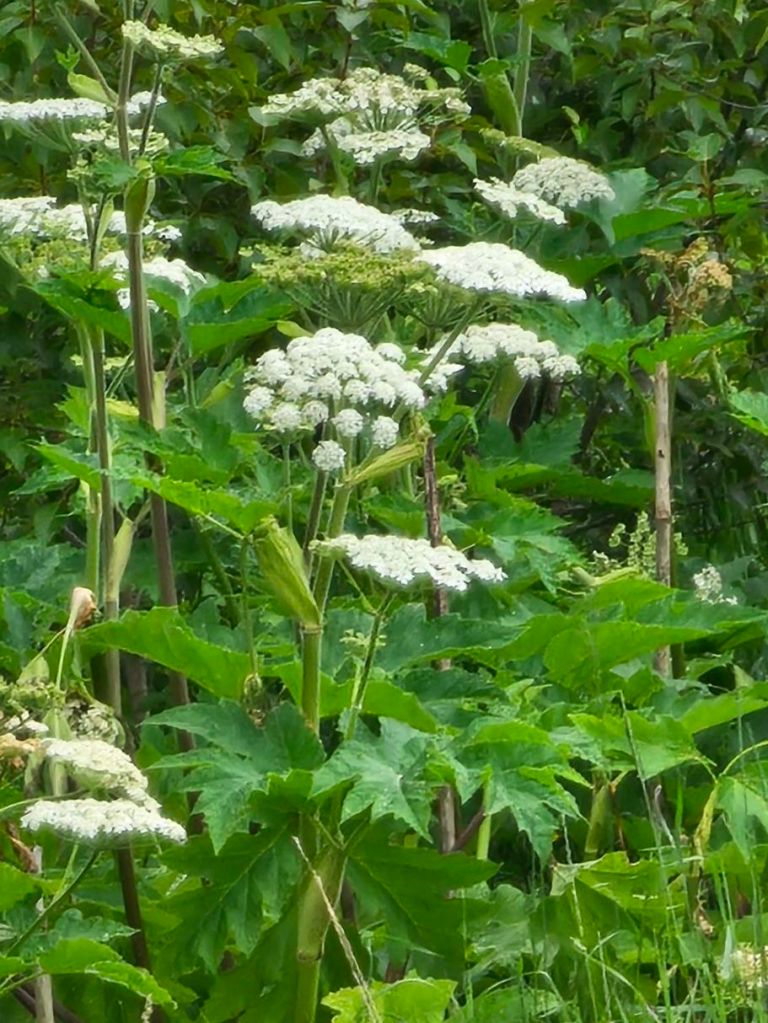
I am definitely in a flower mood today. The wildflowers are absolutely gorgeous right now.

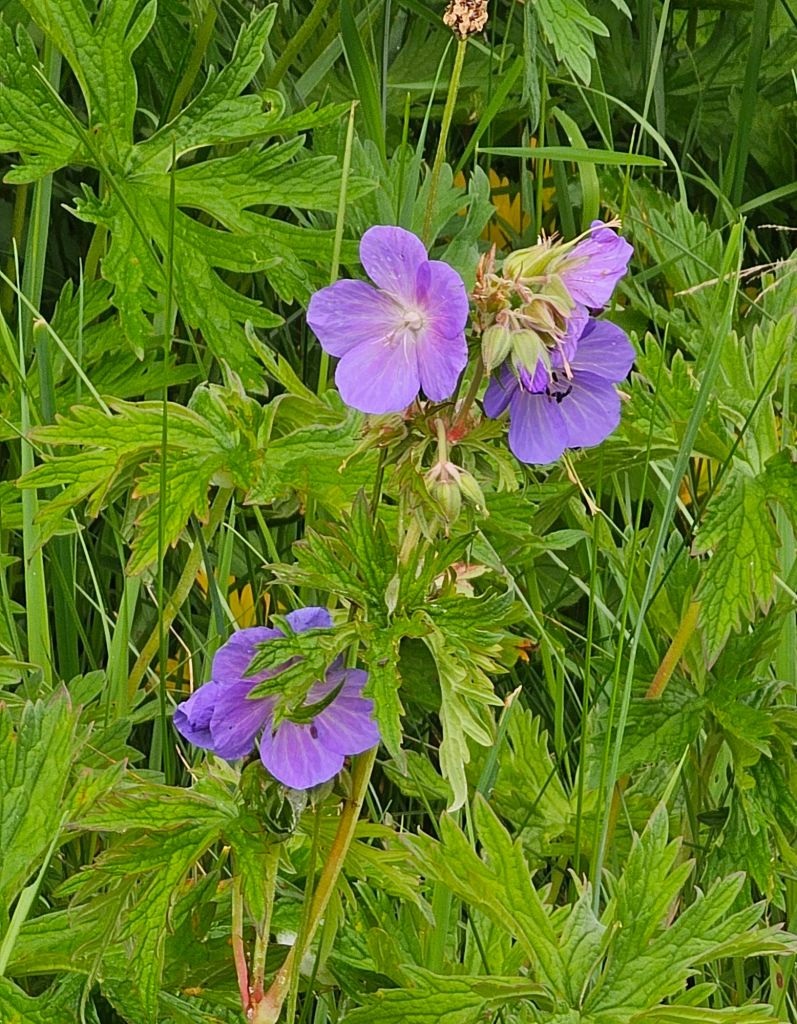


Walking done for the day, it’s time for a hot chocolate and some sewing.
 Louise and Brian McLeod Travel Blog
You must be logged in to post a comment.