We sat outside enjoying the evening last night until the mosquitoes drove us inside at 10 pm. Fortunately the sun goes down so late here, they aren’t a problem until bedtime. I haven’t put our little bug tent up yet and I’ve only used the Thermocell once. Surprisingly enough.
This is our ‘day off’. We booked this site for 2 nights so we could enjoy some time on these beautiful beaches… to walk, not swim. Today the van stays put, no driving, giving me some time to make a campsite look like home (ie put a tablecloth on the picnic table), do some laundry, our weekly clean up etc.
Breakfast was blueberry pancakes, bacon, maple syrup, banana.. and lattes. We don’t have to be anywhere today. I can enjoy my coffee, takes me forever at the best of times. Tomorrow we will be out early. Ferry to catch back to Nova Scotia. Today is all about not doing… which is more or less what we did.
It’s a balmy 75F at 9 am going into the high 80s and possible thunderstorms.
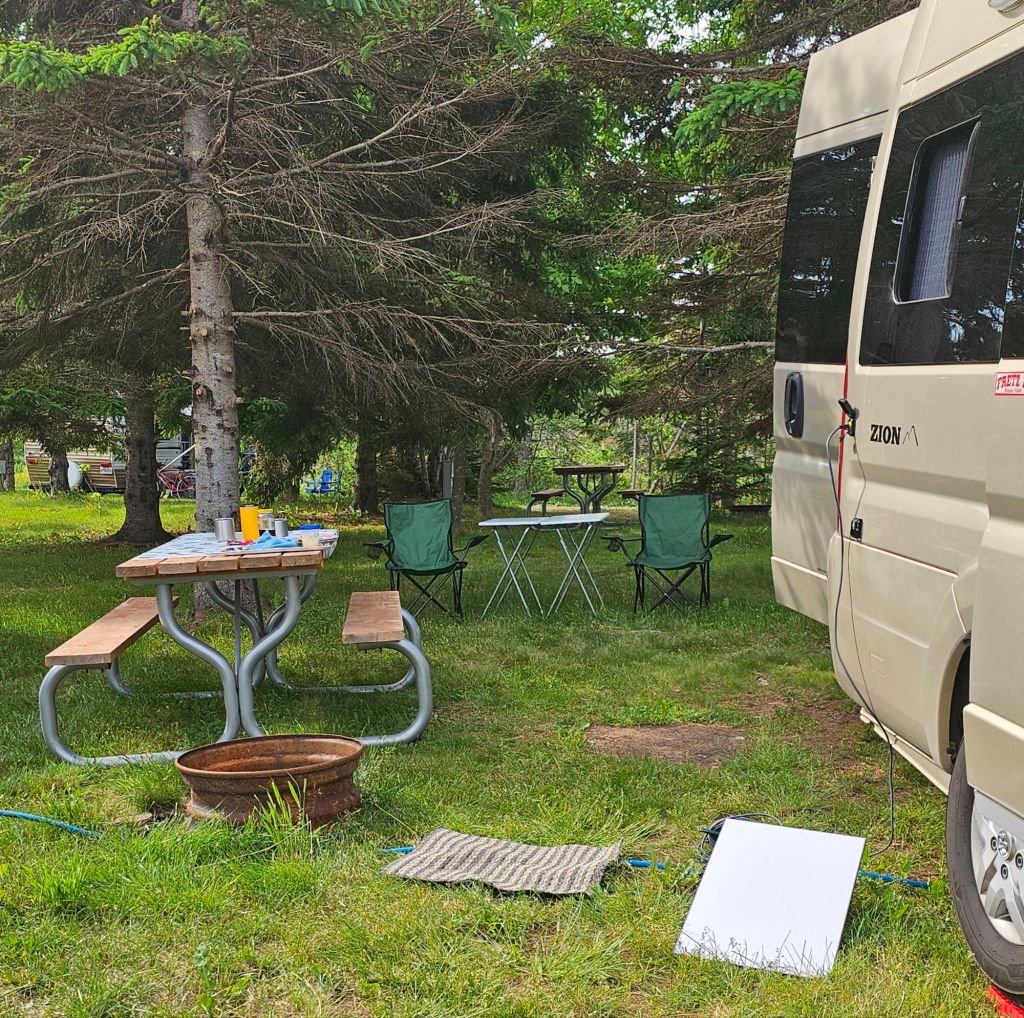
I’ll use the blog space today to talk about things I haven’t had a chance to yet, in particular the First Nations people of the Atlantic region of Canada and their importance. I have already referenced them several times.
The Mi’kmaq
The Mi’kmaq, also spelled Mi’gmaq or Micmac, are an Indigenous First Nations people in Canada, primarily living in the Atlantic provinces of Nova Scotia, New Brunswick, Prince Edward Island, and parts of Quebec and Newfoundland. They have a unique language, culture, and history that dates back thousands of years. The Mi’kmaq have traditionally been semi-nomadic, relying on fishing, hunting, and gathering for sustenance. They are known for their intricate artwork, including beadwork, quillwork, and basketry.
The Mi’kmaq have a rich oral tradition, with stories and legends passed down through generations. They have a strong connection to the land and water and have a deep respect for the natural world. Historically, the Mi’kmaq were allies with the French in the struggle for control over North America against the British, which led to conflict with the British during periods of colonial expansion.
Today, the Mi’kmaq continue to strive for recognition of their rights, including land and resource rights, self-governance, and cultural preservation. They have a strong sense of community and are actively working to revitalize their language and cultural practices. The Mi’kmaq are an important part of the cultural fabric of Canada and play a significant role in shaping the country’s history and identity.
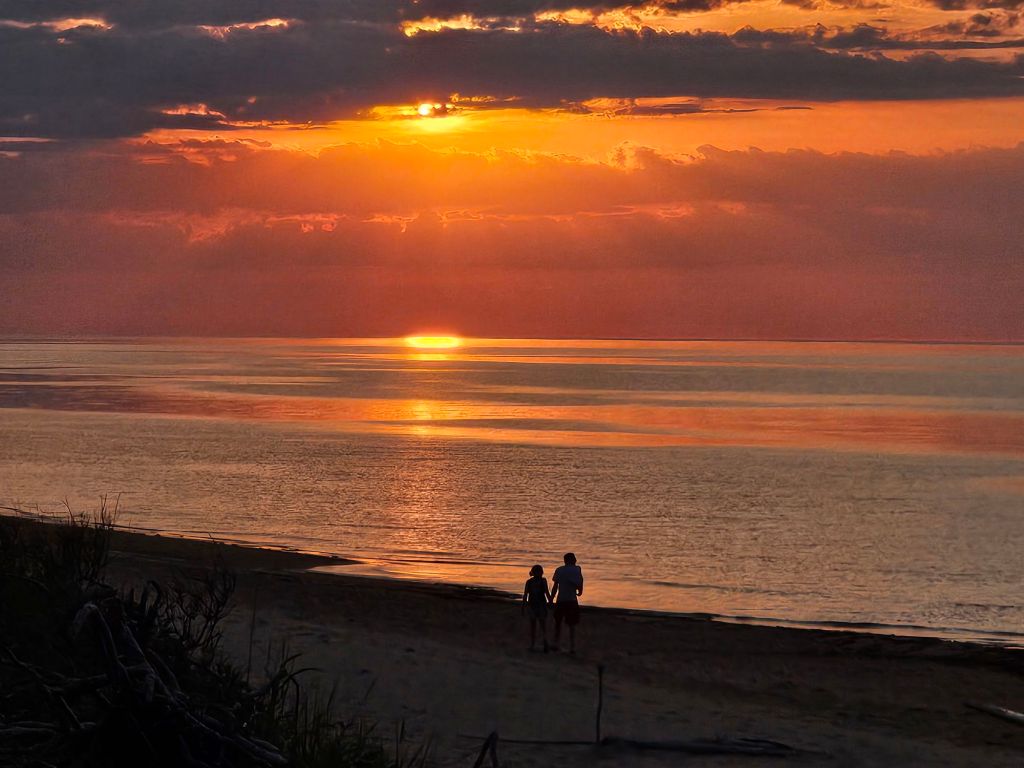
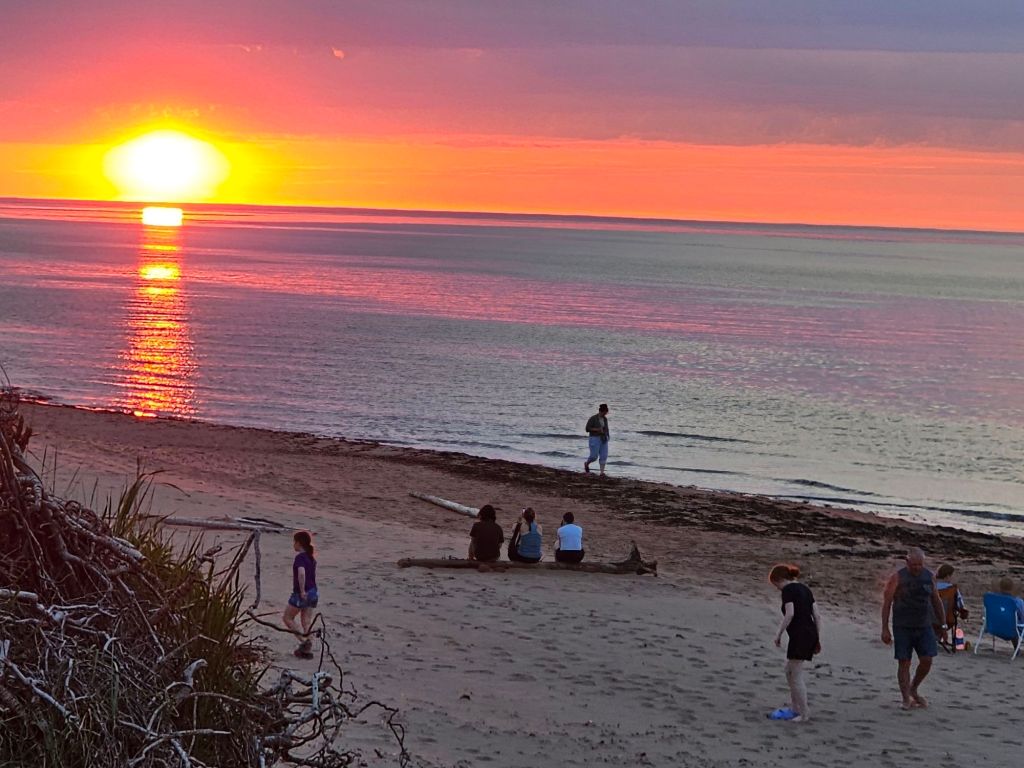
Sunrise Today:
5:19 am↑ 54° Northeast
Sunset Today:
9:08 pm↑ 306° Northwest
When we walked down to the beach last night, a red fox ran across our path carrying his dinner, a rabbit. We have also flushed several pheasants while driving. I also saw a hare, not a rabbit, by the washroom one night. Brian thought he spotted an eagle a couple of days ago along with great blue herons fishing in the tidal flats.
Our neighbours yesterday, who are local to the island, recounted the damage caused by hurricanes through here. He also filled us in on local politics.
 Louise and Brian McLeod Travel Blog
You must be logged in to post a comment.