It was a quick up and out this morning without breakfast. Some have asked how long it takes us to do this… 25 minutes to make up the bed, get dressed, put everything else away for travel, unplug from water and electricity and do a final check.
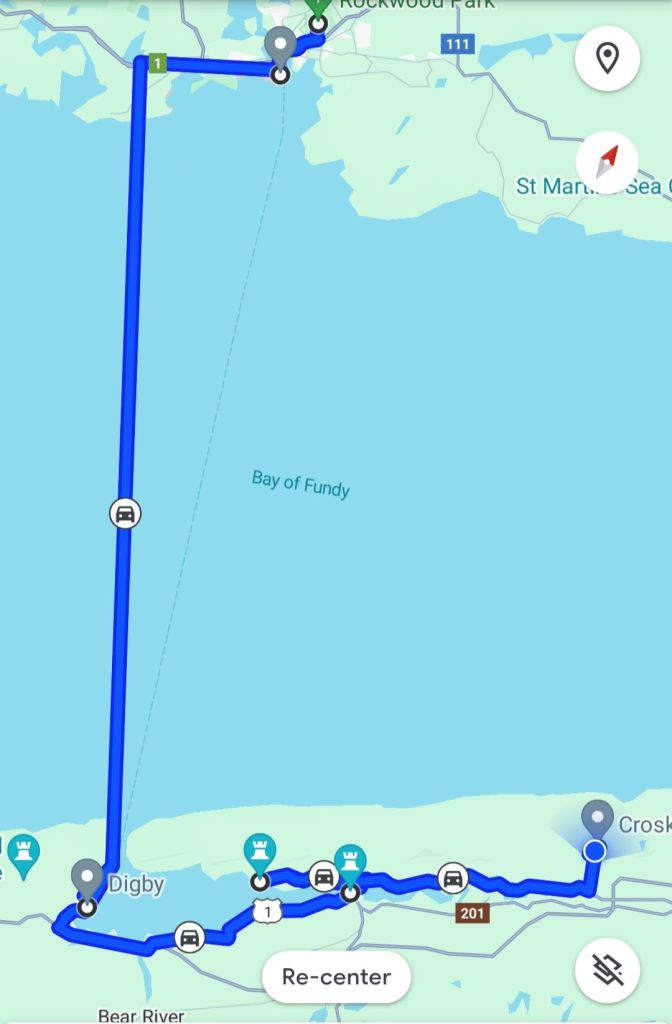
Today is the first of several ferries we will take on this trip. Today’s ferry takes us from Saint John, NB to Digby, NS and we need to be at the ferry terminal before 8 am. We’ll have breakfast on board. It’s foggy this morning. It’s a 2 hour crossing of the Bay of Fundy.
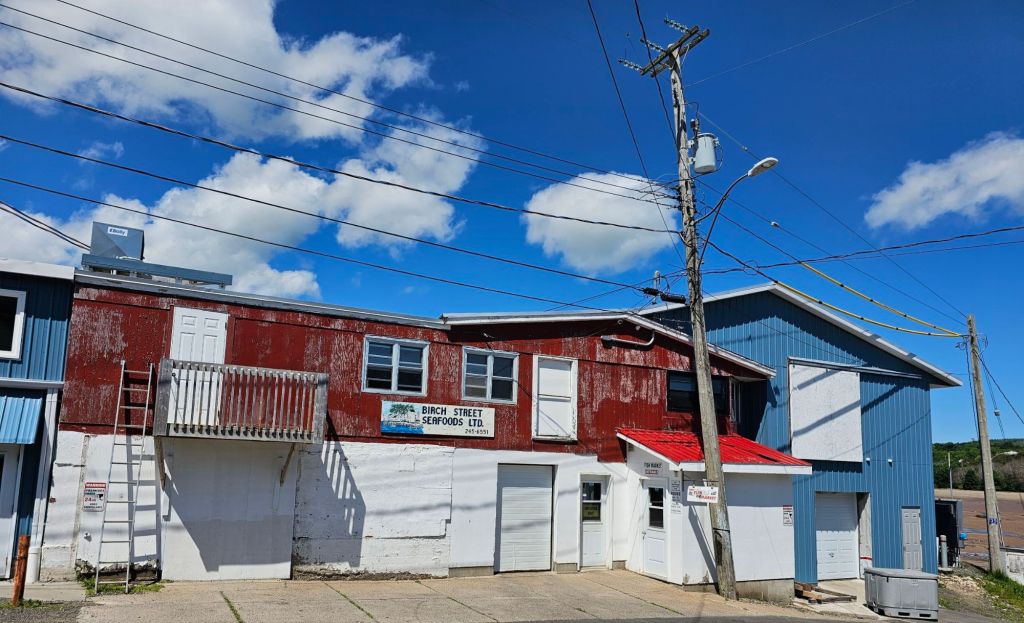
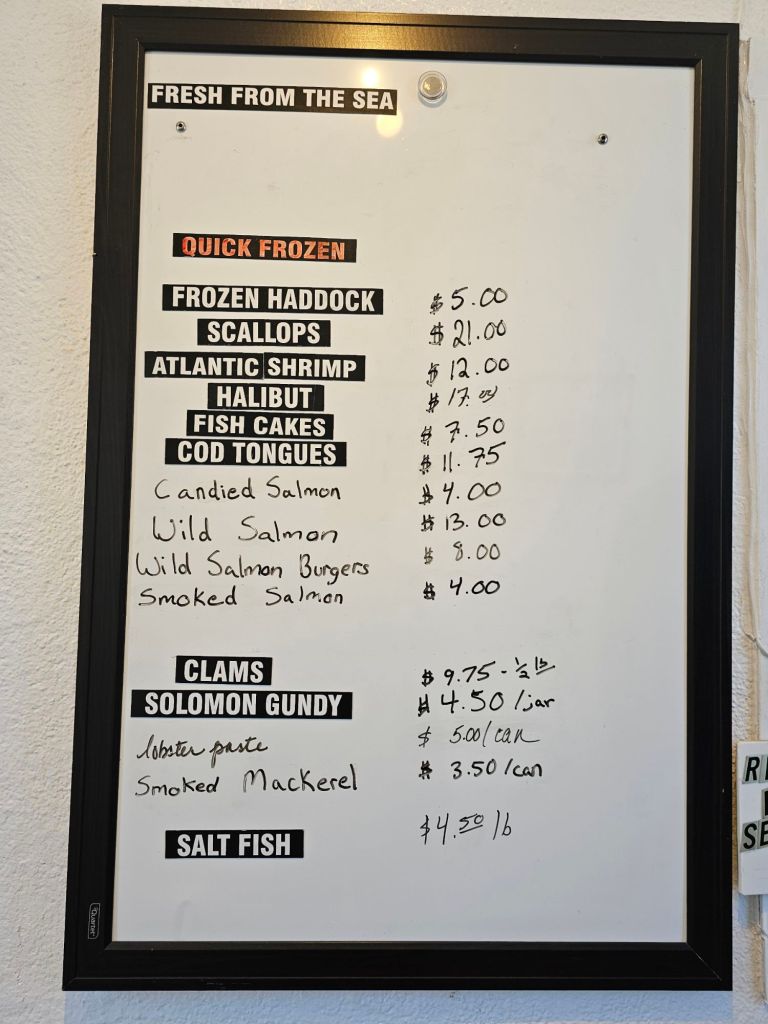
After leaving the ferry we wandered around Digby after purchasing scollaps from a local fish market.
We are now in the area of Canada first settled by the Acadians from France in 1605. If you have been following this blog, you will remember that earlier this year we visited the areas of Louisiana settled by the Acadians ( Cajuns) settled by this same group of people after they were expelled from Canada by the British. We will be visiting more Acadian sites this week.
We picked up our annual Canada Parks pass at Fort Anne in Annapolis Royal where we also had lunch. Then we moved on to Port Royal, one of the first European settlements in North America.
Digby, NS
Digby, Nova Scotia is the scallop capital of the world. Not just Canada, but the entire world. That’s because this is where they were first fished commercially in the 1920s.
Digby was first founded by United Empire Loyalists after the U.S. Revolutionary War when 30,000 of them went north to Annapolis Royal.
We stopped to purchase scallops at a local fish market. Years ago, one of my assistants and her husband came from Digby. Her father wad a scallops fisherman. Charlie made sure we knew how to cook scallops properly… hardly at all!
Annapolis Royal
Annapolis Royal, located in Nova Scotia, Canada, was founded in 1605 by French colonists, making it one of the oldest European settlements in North America. Originally known as Port Royal, the town played a significant role in the early European colonization of the region.
Throughout its history, Annapolis Royal has been the site of numerous conflicts between European powers vying for control of the lucrative fur trade and strategic military positions. The town changed hands multiple times between the French and British throughout the 17th and 18th centuries.
In 1710, British forces captured Annapolis Royal and renamed it after Queen Anne. The town became the capital of Nova Scotia and a major military and administrative center for the British colonial government. Annapolis Royal was a key location during the French and Indian War and the American Revolutionary War.
Fort Anne
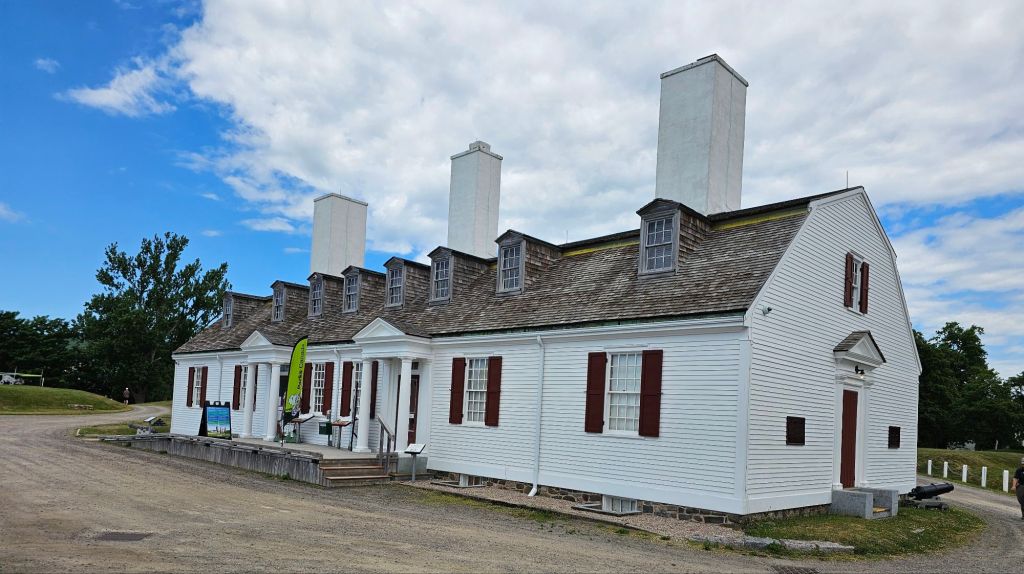
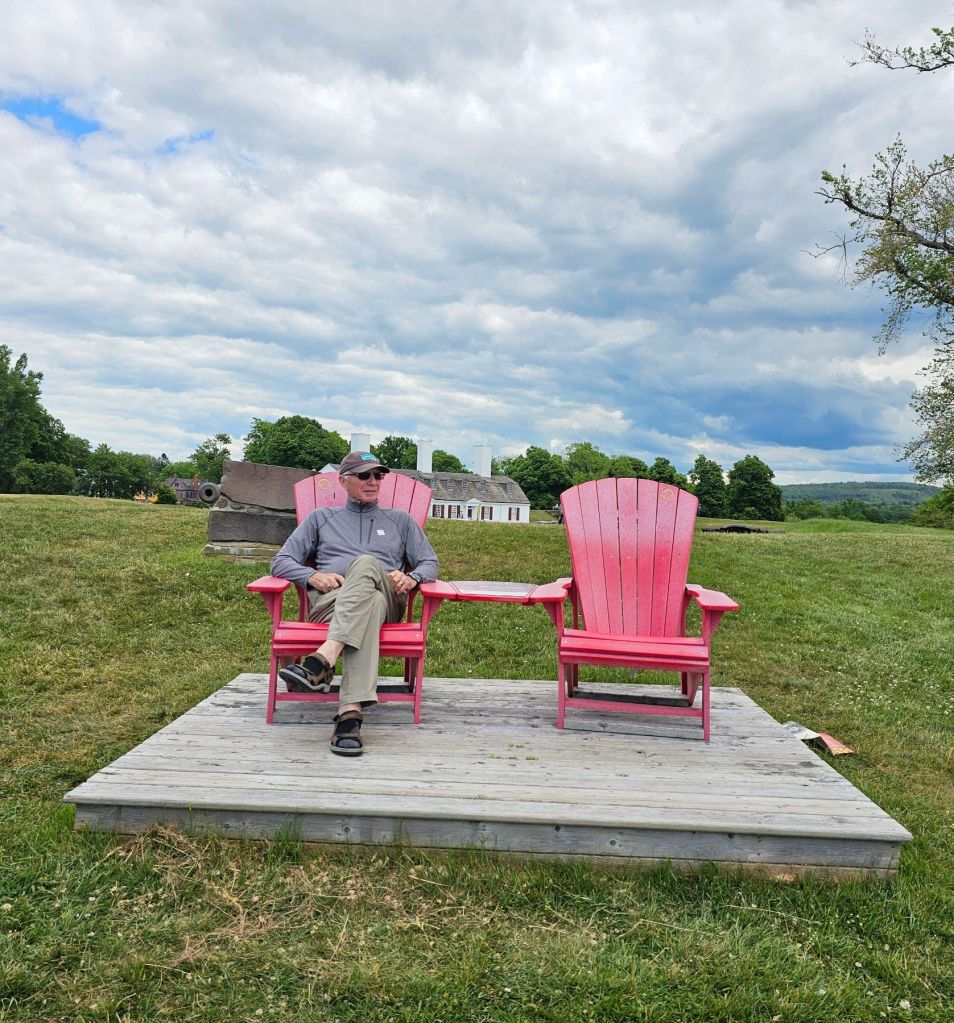
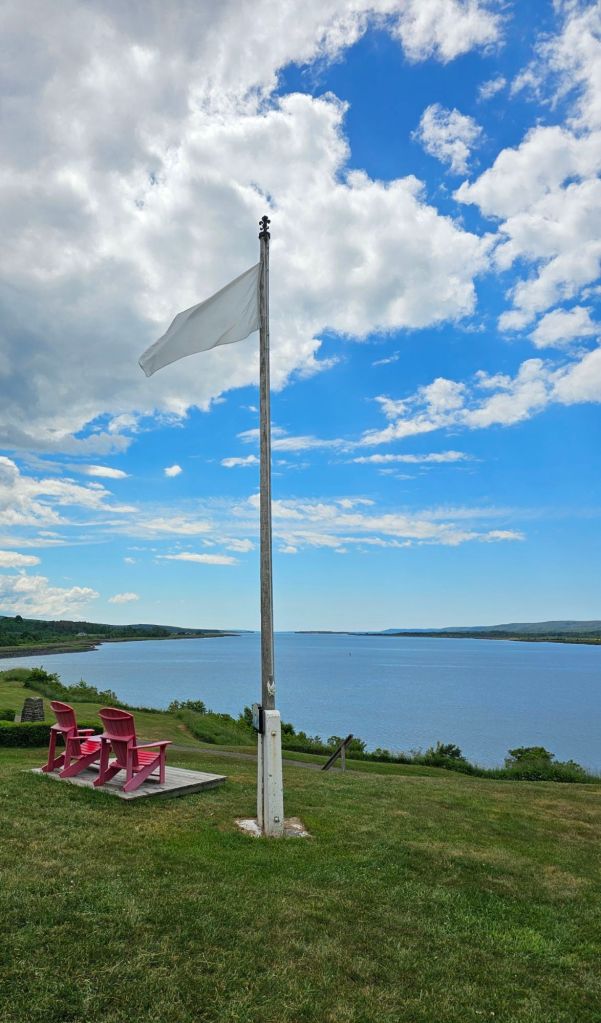
Fort Anne is a historic fort located in Annapolis Royal, Nova Scotia, Canada. It is also known as Fort Anne National Historic Site and is one of the oldest surviving forts in Canada, with a history dating back to the early 17th century. The fort was originally built by the French in 1629 to protect their interests in the region, particularly against English and Mi’kmaq attacks.
Throughout its history, Fort Anne has played a significant role in various conflicts, including the Anglo-French rivalry for control of North America and the struggle between the British and French for supremacy in Nova Scotia. The fort changed hands several times between the French and British before finally coming under British control in the late 18th century.
Port Royal
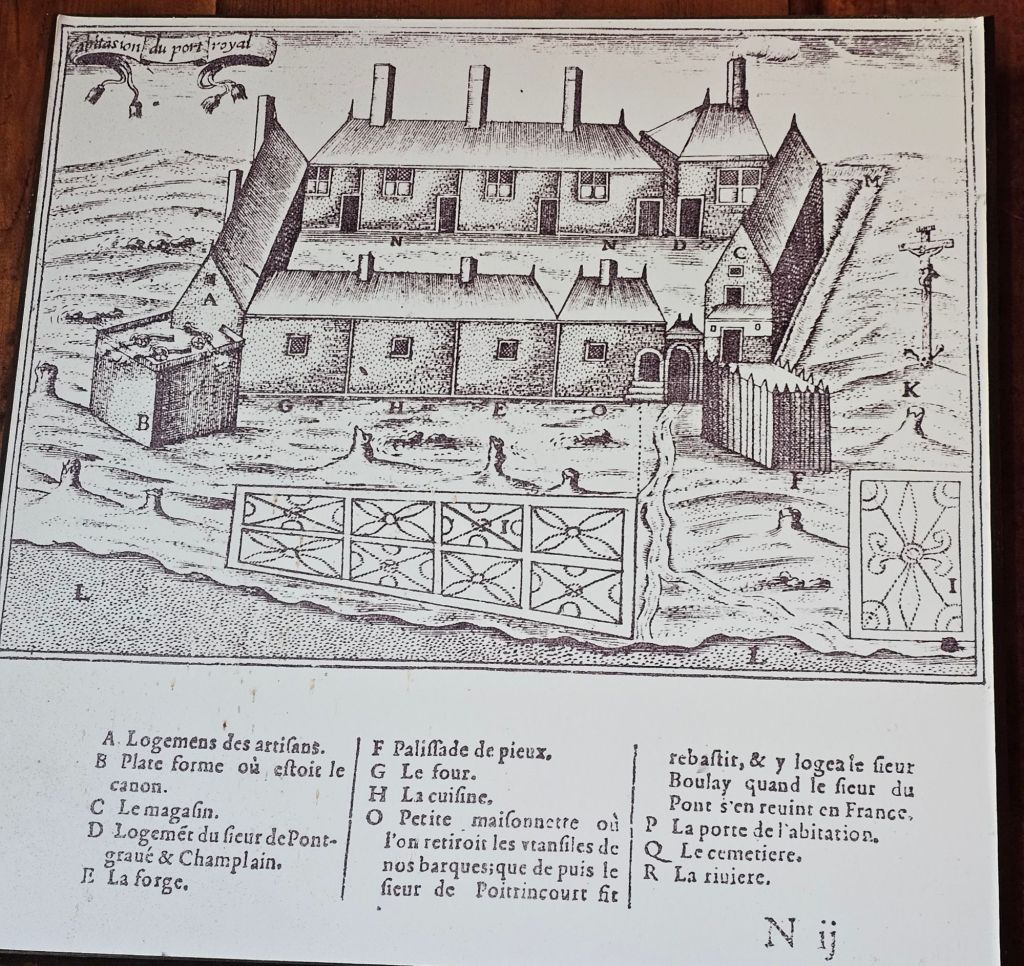
Port Royal, Nova Scotia, is a historic Canadian settlement located on the Bay of Fundy. It was one of the earliest European settlements in North America and played a significant role in the early colonization of the continent. Here is a brief history of Port Royal:
- Port Royal was founded by the French in 1605 and was originally named Habitation at Port-Royal. It served as the capital of Acadia, a French colony in North America.
- The settlement was strategically located for trade and played a key role in the fur and fish trades with the indigenous Mi’kmaq people.
- In 1613, the settlement was attacked and destroyed by English forces from Virginia. The French rebuilt and maintained control of the area until 1710 when Port Royal was captured by the British during Queen Anne’s War.
- After the British takeover, the settlement was renamed Annapolis Royal, and the area became part of Nova Scotia.
- Port Royal/Annapolis Royal continued to be an important military and economic center in Nova Scotia, with a thriving fur trade and connections to other British colonies in North America.
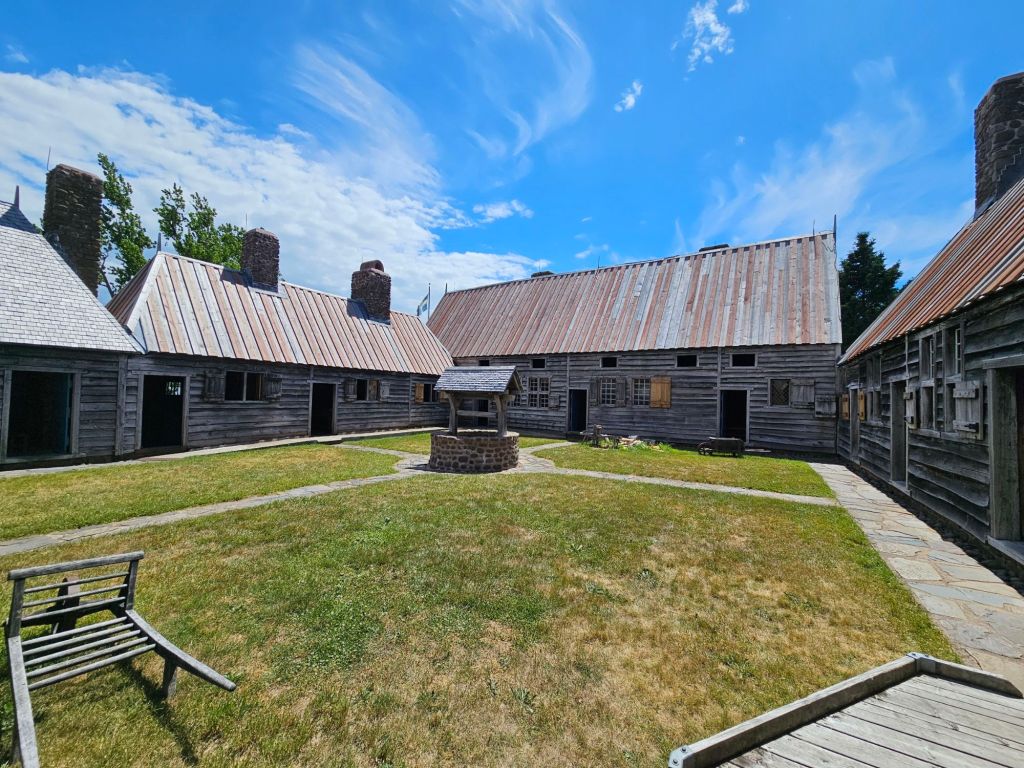
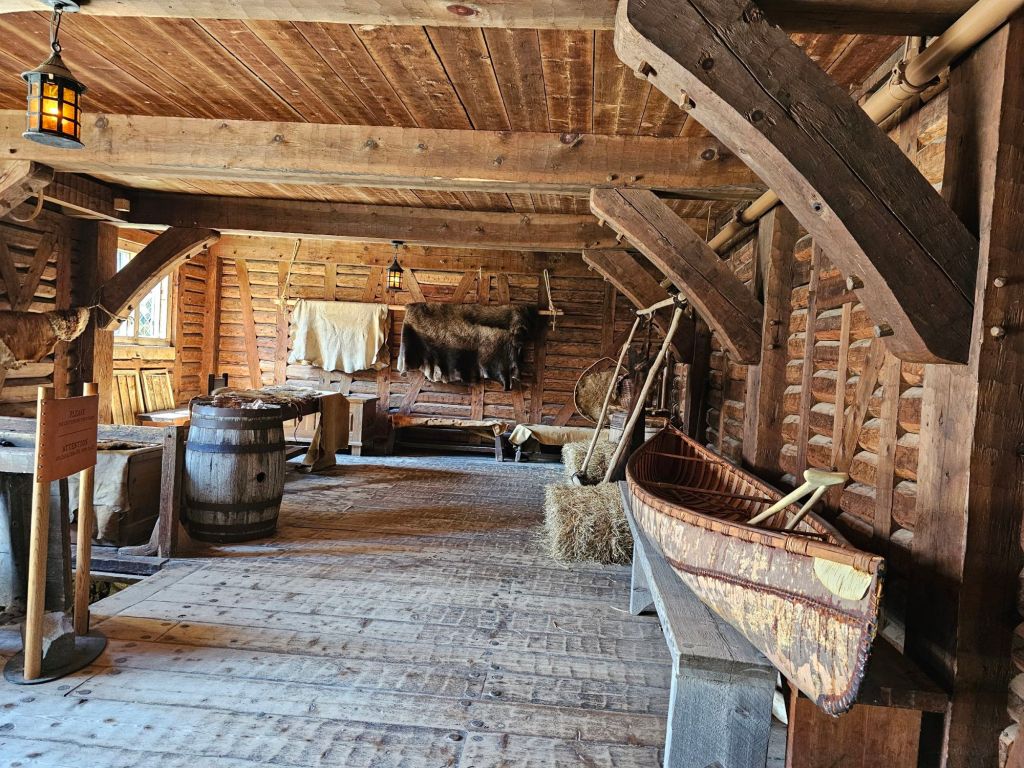
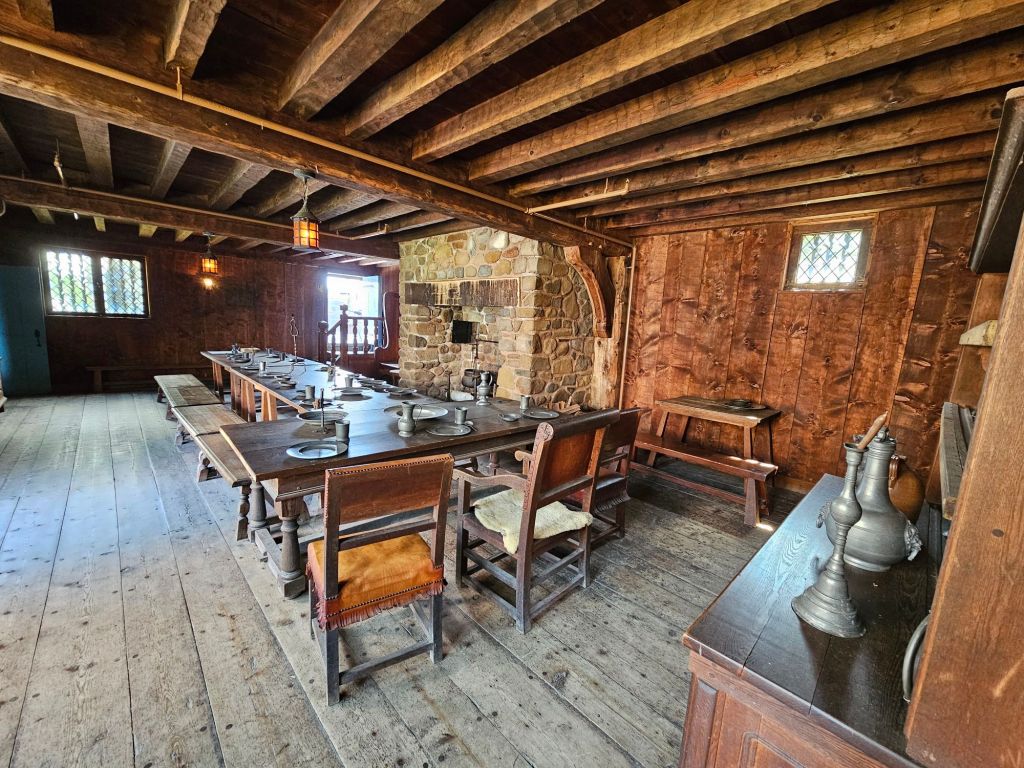
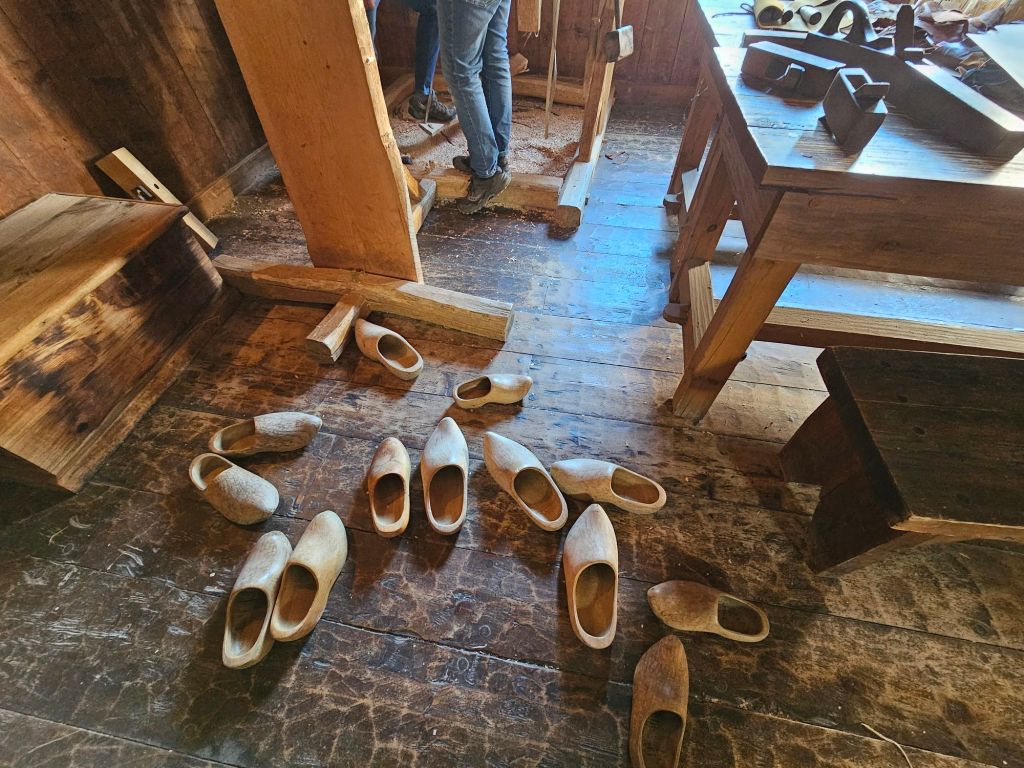
- Today, Port Royal is a popular attraction for history enthusiasts and tourists interested in learning about early Canadian history. The Port-Royal National Historic Site features a reconstruction of the original settlement, including period buildings and exhibits that showcase life in the early 17th century.
Scallops for dinner
Our campsite tonight is Valleyview Provincial campground about 20 miles from Port Royal. It’s a lovely day today.
Dinner tonight of course consists of panseared scollaps (Charlie would approve), salad and lime tortilla chips. Local strawberries and home baked brownies for dessert… yum!

 Louise and Brian McLeod Travel Blog
You must be logged in to post a comment.