Our campsite last night in Meaher State Park was right on the Mobile Bay of the Gulf of Mecico. A very pretty spot. Unfortunately, the park was in the process of removing all of the trees in the rest of the park, formerly bike and walking trails, to put in more campsites ie probably removing the very scenery / activities people enjoy in a campground. A little short sighted? And we were woken up by trucks and tree removers very early today.
We start the return north. The weather is now just the right temperature.. mid 70s to mid 80s. It will start cooling off closer to home (where rain is expected for the next 4 days) with temperatures expected in the mid 30s. Brrrr.
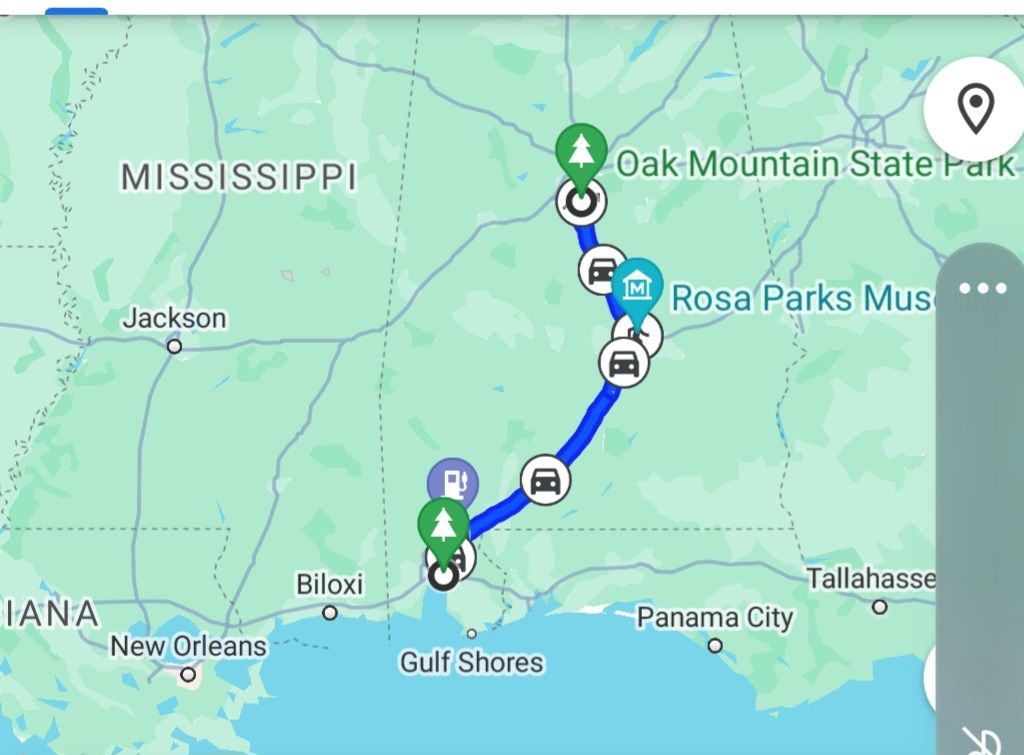
We have 4-5 hours on the road today. Our route takes us through Montgomery, Alabama, the seat of the Civil Rights Movement in the 1960s. We plan to make a stop and visit some of the more notable spots, like the Rosa Parks Museum.
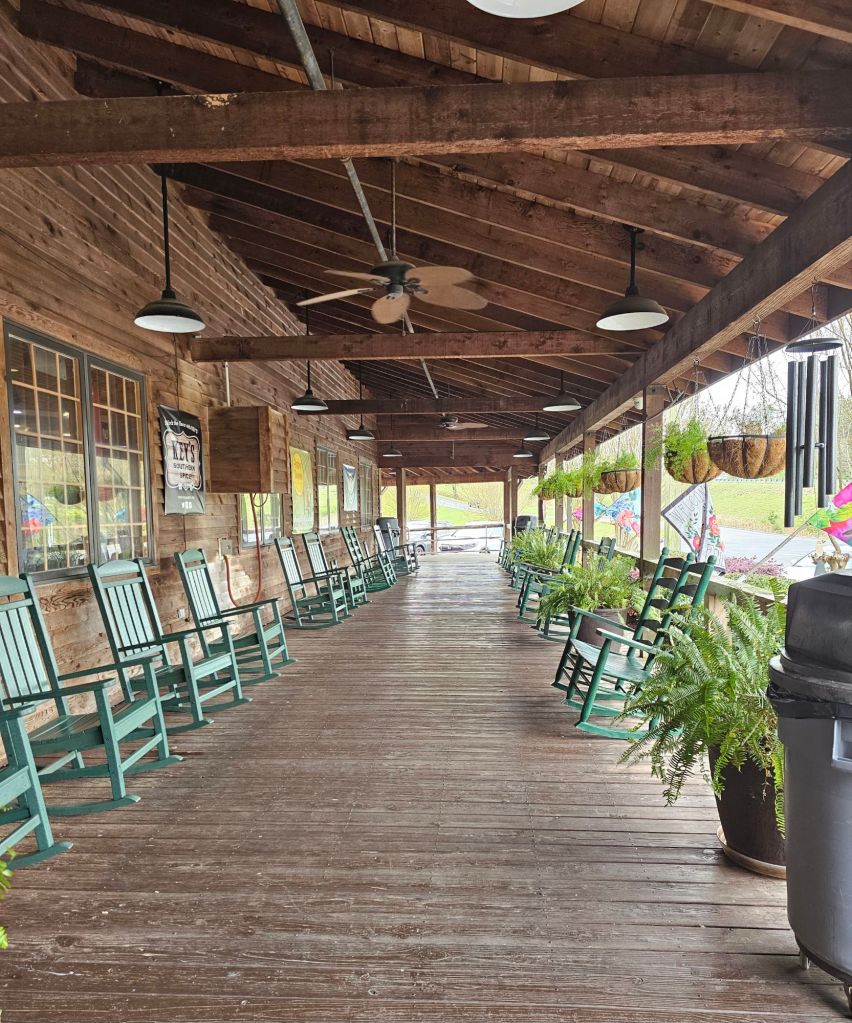
We made a pit stop at Priester’s Pecans at Fort Deposit. It looks like a Cracker Barrel with a candy making plant attached. Lots and lots of Pecans!! With the candy made right on the premises. It’s an interesting local family history and part of the fabric making up Alabama. Not everything worth talking about is war, civil rights, spacecraft and big business.
We stopped in Montgomery Alabama to visit the Rosa Parks Library and Museum, with its very innovative approach to using audio/ visual technologies to educate its visitors.
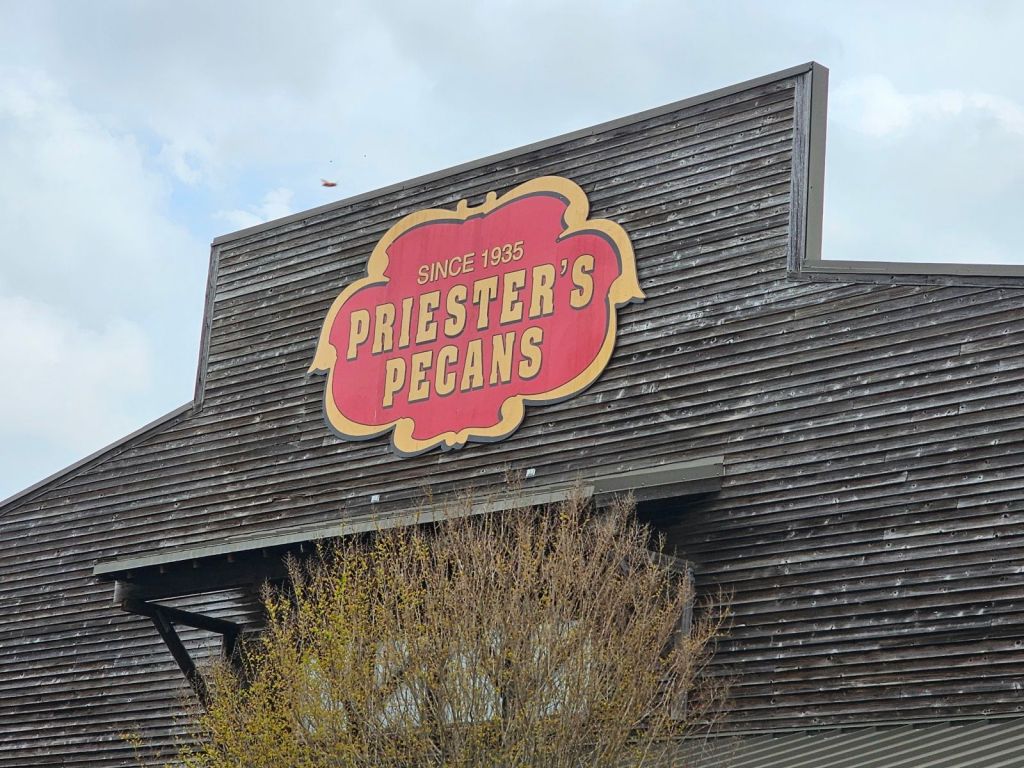
The Priester’s Pecans Story
Let us tell you a little story about a handshake partnership and the beginning of Alabama’s largest gourmet handmade candy company.
Fort Deposit, Alabama, is located 35 miles south of Montgomery. The little town of 1,200 sprouted during the Revolutionary War around a military ammunition depository. And around the little town sprouted pecan trees. Lots of them.
By 1935 there was a healthy trade passing through, with automobiles buzzing back and forth on the main highway between Mobile and Montgomery. Mr. Lee C. Priester owned and operated a Texaco station that serviced these travelers. But his customers wanted more than gasoline. Mr. Priester, or L.C. as he was always called, decided to offer refreshments and a little taste of the South.
L.C. hired a local man named Caesar to help him gather pecans. Caesar knocked the ripened nuts down from the trees with a long stick and gathered them in sacks to bring to the porch of L.C.’s home. There the pecans in shells were bagged for sale next door at the service station.
No one is exactly sure when “Special Order Number One” was placed, but a salesman who stopped to buy gasoline asked L.C. for a special favor. He wanted the pecans cracked and shelled to be picked up on his return from a business trip. L.C., being a good businessman, promised it would be done. L.C. arranged for local ladies to work for him on a contract basis, cracking and shelling pecans. Priester Pecan Company started with that first customer’s request!
Montgomery, Alabama
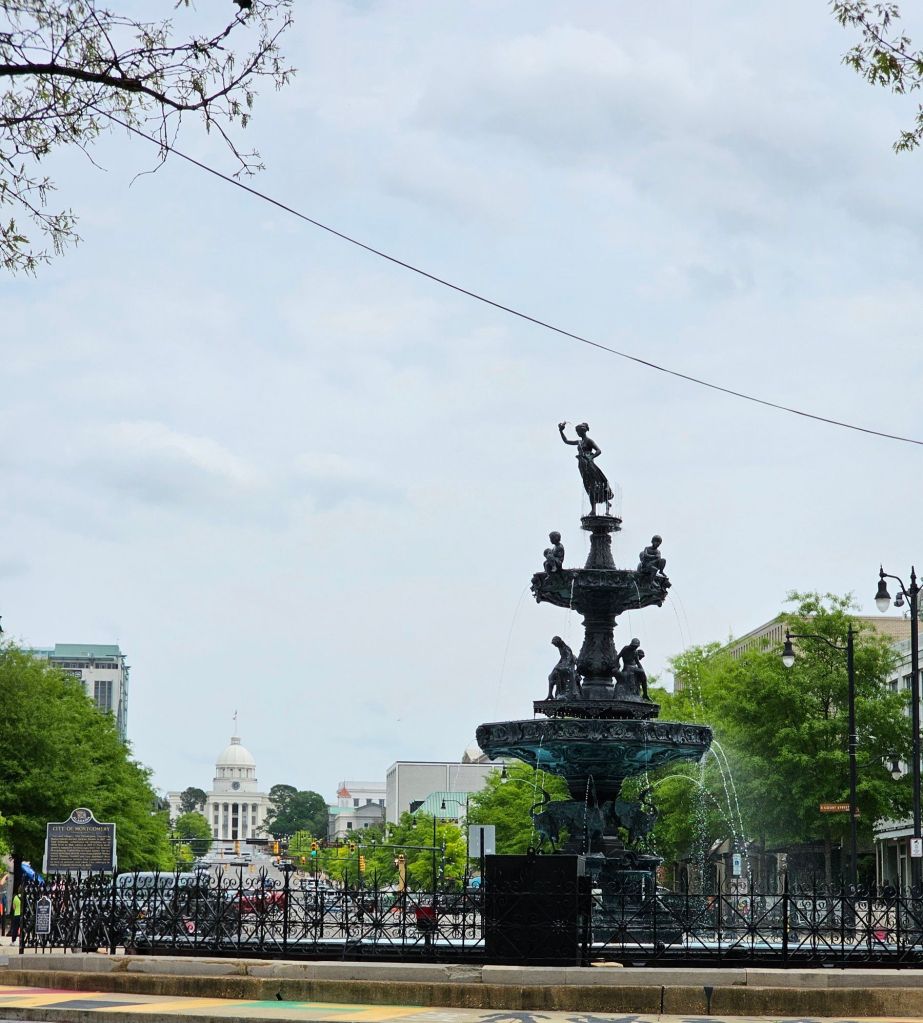
Montgomery is the capital city of Alabama and is known for its historical significance in the civil rights movement. In the 1950s and 1960s, Montgomery was a key battleground for civil rights activists who fought against segregation and for equality. The Montgomery Bus Boycott, sparked by Rosa Parks’ refusal to give up her seat to a white passenger on a city bus, was a pivotal event in the civil rights movement and lasted for over a year until the segregation laws on buses were overturned.
The city was also the site of the Selma to Montgomery marches in 1965, led by Dr. Martin Luther King Jr. and other civil rights leaders. These marches were a turning point in the fight for voting rights for African Americans and ultimately led to the passage of the Voting Rights Act of 1965.
Today, Montgomery is home to numerous museums and historic sites that commemorate the struggles and victories of the civil rights movement, including the Rosa Parks Museum, the National Memorial for Peace and Justice, and the Dexter Parsonage Museum, where Dr. King lived during the bus boycott. The city continues to honor its history and the legacy of those who fought for social justice and equality.
Rosa Parks
Rosa Parks was an African-American civil rights activist known for her pivotal role in the Montgomery Bus Boycott. On December 1, 1955, Parks refused to give up her seat to a white passenger on a segregated bus in Montgomery, Alabama, sparking a wave of protests and leading to the boycott of the city’s bus system for over a year. Her act of defiance became a symbol of the modern civil rights movement and helped to bring about the end of racial segregation in public facilities.
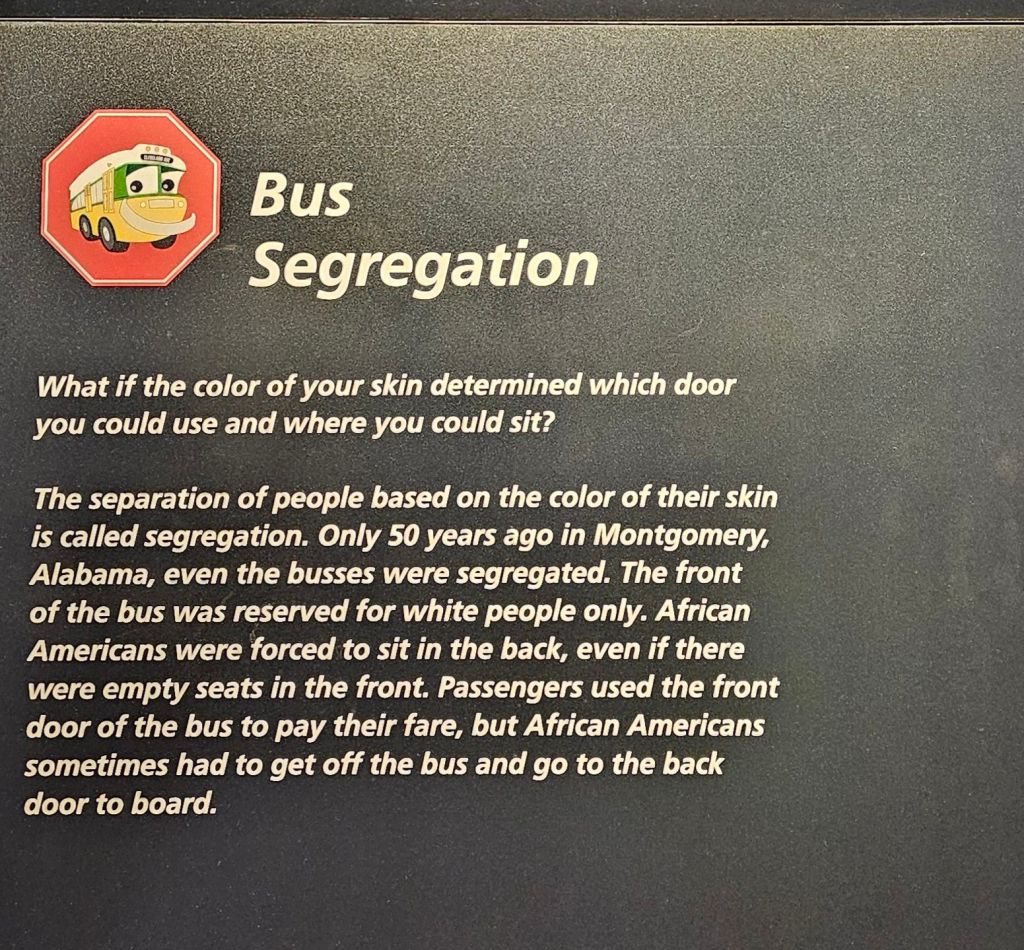
Parks’ courage and determination inspired countless others to join the fight for equality and justice. Throughout her life, she continued to be a prominent figure in the civil rights movement, advocating for racial equality, social justice, and the dignity of all people. Rosa Parks passed away on October 24, 2005, but her legacy lives on as a symbol of courage, resistance, and the ongoing struggle for civil rights.
The Montgomery Bus Boycott
The Montgomery bus boycott was a significant civil rights protest that took place in Montgomery, Alabama, from December 5, 1955, to December 20, 1956. The boycott was sparked by the arrest of Rosa Parks, an African American woman, for refusing to give up her bus seat to a white person. This act of civil disobedience by Parks led to a coordinated effort by the local African American community to protest against segregated seating on city buses.
The boycott was organized by civil rights leaders, including Dr. Martin Luther King Jr., and lasted for 381 days. During this time, African Americans in Montgomery chose to walk, carpool, or use alternative means of transportation rather than ride the city buses. The boycott put financial pressure on the Montgomery bus system, as the majority of its ridership was African American.
The Montgomery bus boycott was a pivotal moment in the civil rights movement, showcasing the power of nonviolent protest and inspiring future activism. It ultimately led to a Supreme Court ruling that declared segregated buses unconstitutional, marking a significant victory in the fight against racial segregation in the United States.
The Rosa Parks Library and Museum, Troy University
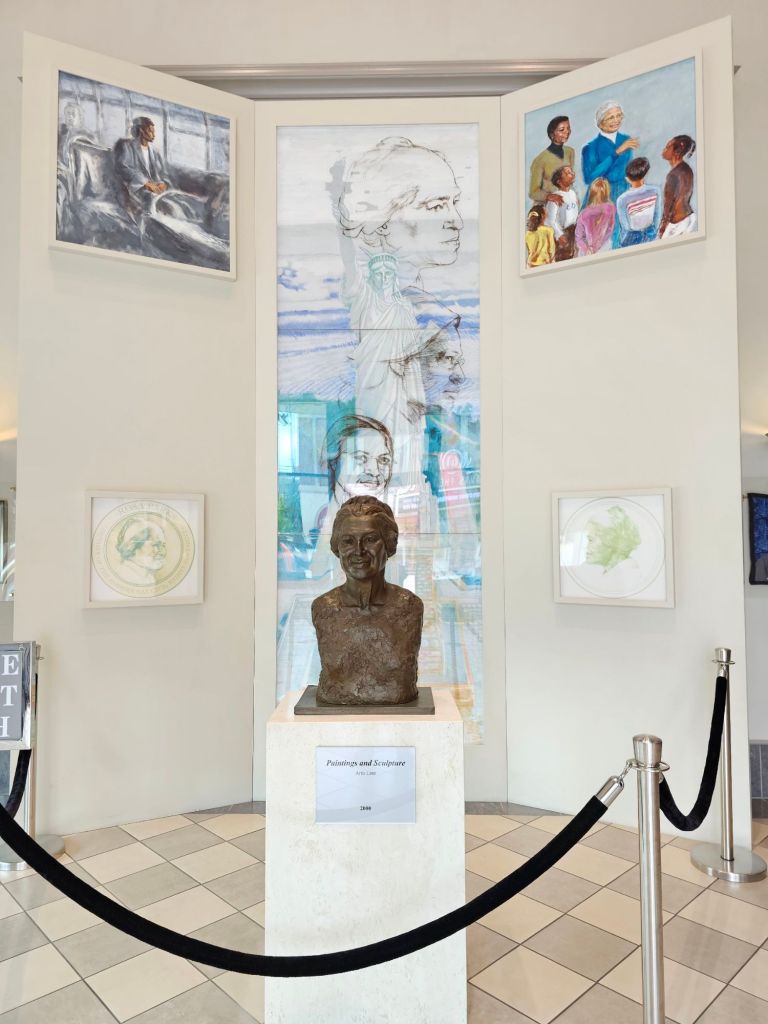
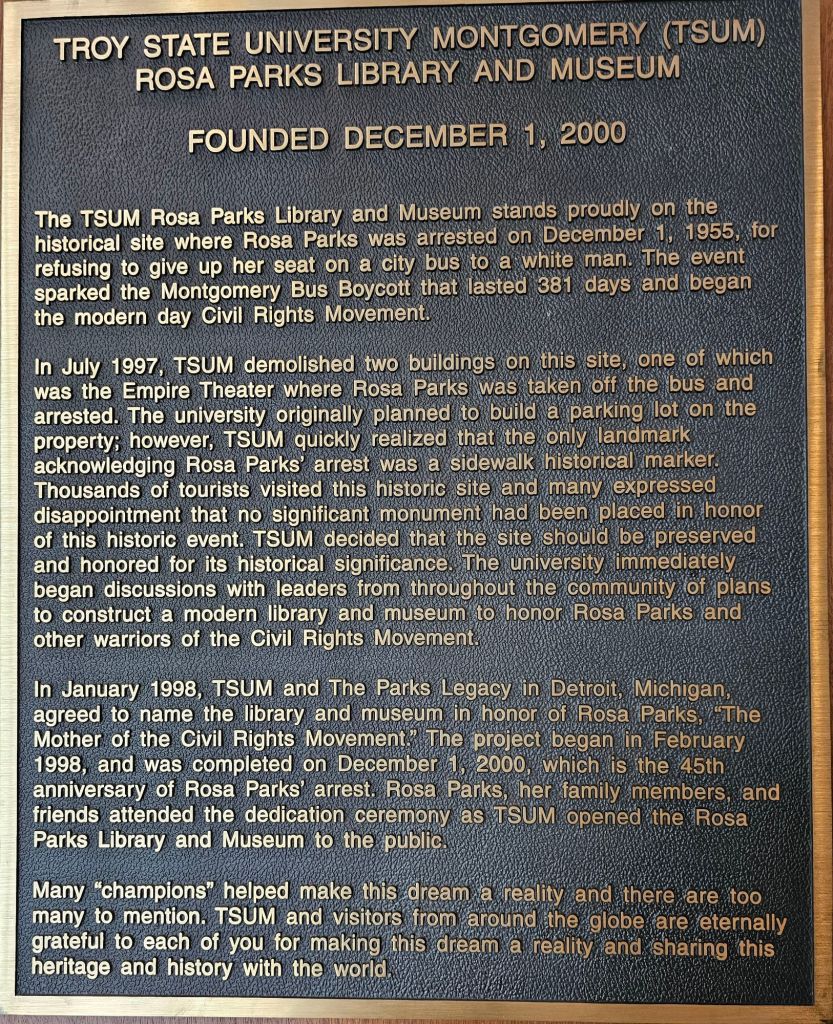
The Rosa Parks Library and Museum is located on the campus of Troy University in Montgomery, Alabama. It is dedicated to preserving and promoting the legacy of Rosa Parks, a prominent figure in the Civil Rights Movement. The museum features exhibits that tell the story of Parks’ life and her pivotal role in the Montgomery Bus Boycott of 1955-1956, which played a significant role in the desegregation of public transportation in the United States.
The museum includes interactive displays, artifacts, and multimedia presentations that educate visitors about the history of the Civil Rights Movement and the ongoing struggle for racial equality and social justice.
Overall, the Rosa Parks Library and Museum serves as a tribute to the courage and determination of Rosa Parks and all those who have fought for civil rights and social justice in America. It is an important cultural institution that seeks to educate, inspire, and empower visitors to uphold the values of equality, justice, and respect for all individuals.
Our campground tonight is Oak Mountain State Park just south of Birmingham, Alabama. Severe thunderstorms are forecast starting around 6 pm.
 Louise and Brian McLeod Travel Blog
You must be logged in to post a comment.