We arrived in New Orleans at mid day on Wednesday where we have a site for 3 nights in a luxury RV park within walking distance of the French Quarter with a pool and hot tub (which we have used) and our very own gazebo. It’s laid out like a small town with brick paved streets and street lamps. First order of business was laundry having been out for 8 days already.


I’ll just tell you what we did and not in a lot of detail. Of course we wandered around the French Quarter with its emphasis on booze, food and jazz, both in the streets and indoors. Night time is deemed dangerous so any time we were out after dark, we called a Lyft to take us back to the campsite.
I may just put up a lot of photos.





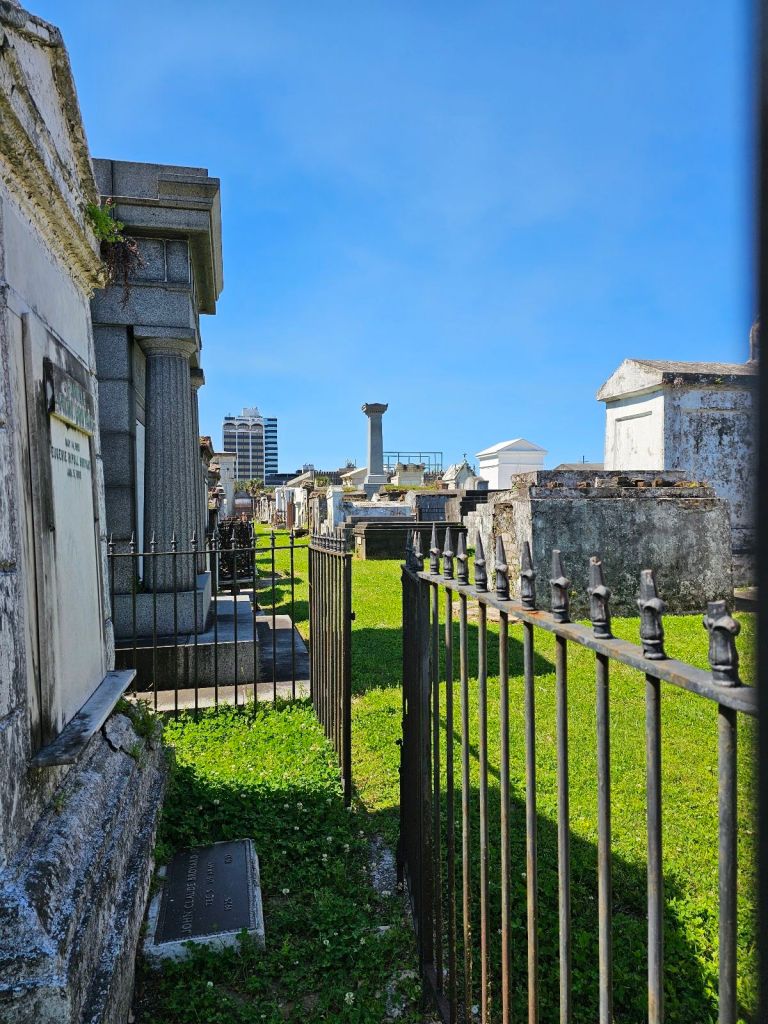


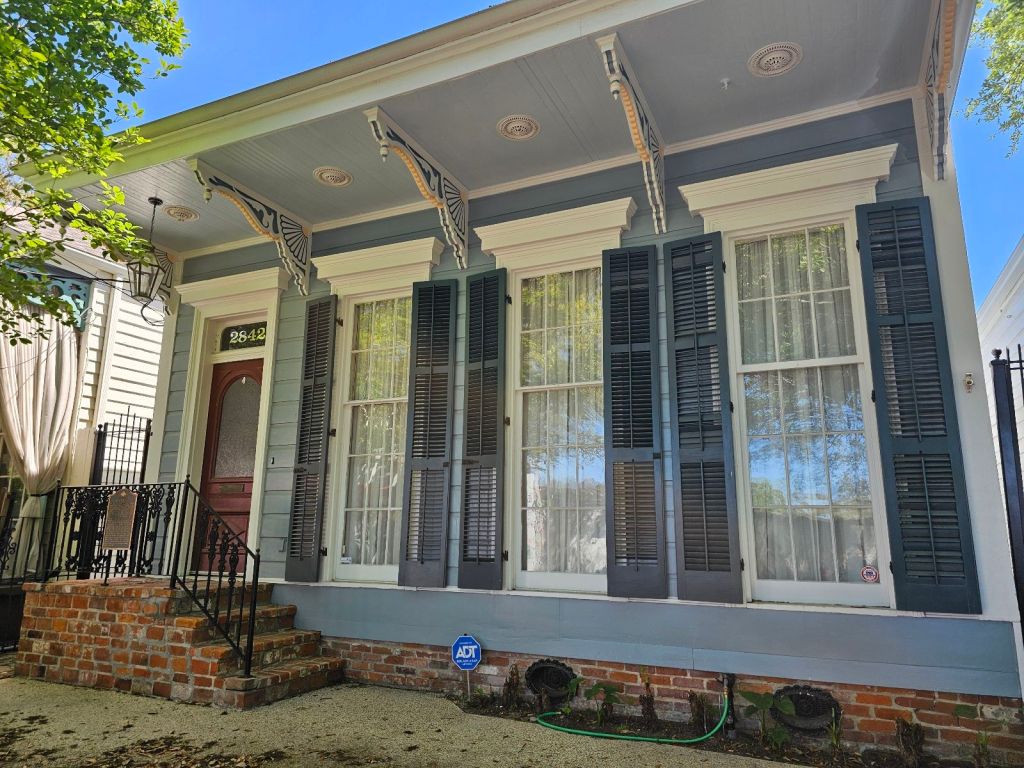




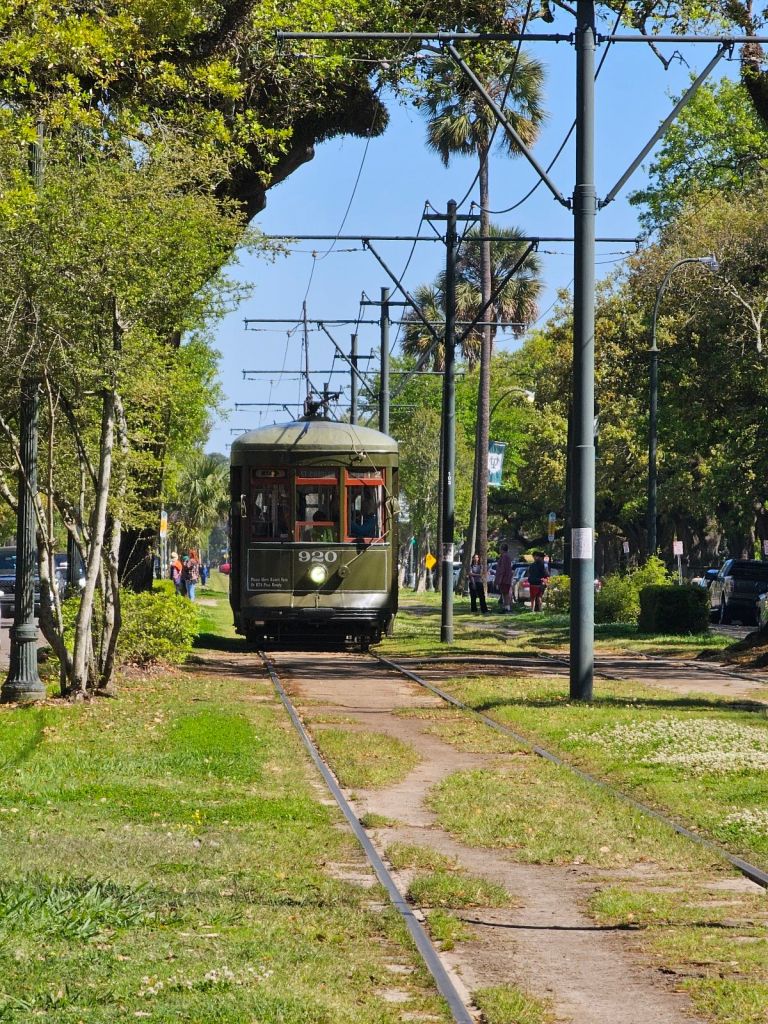


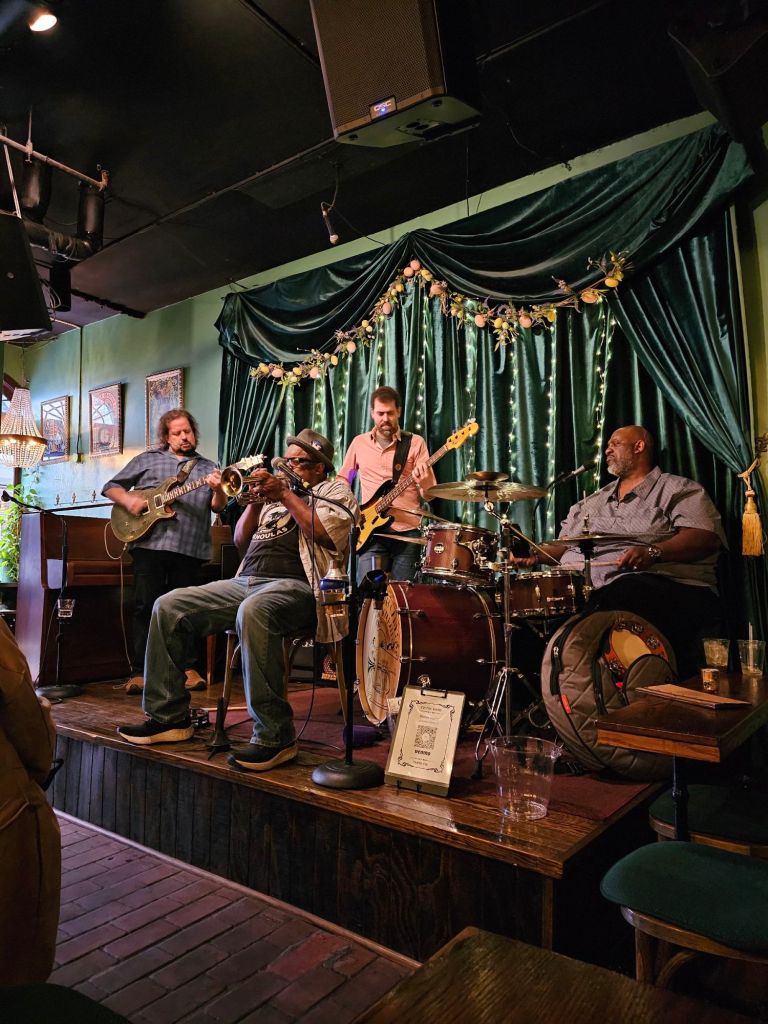

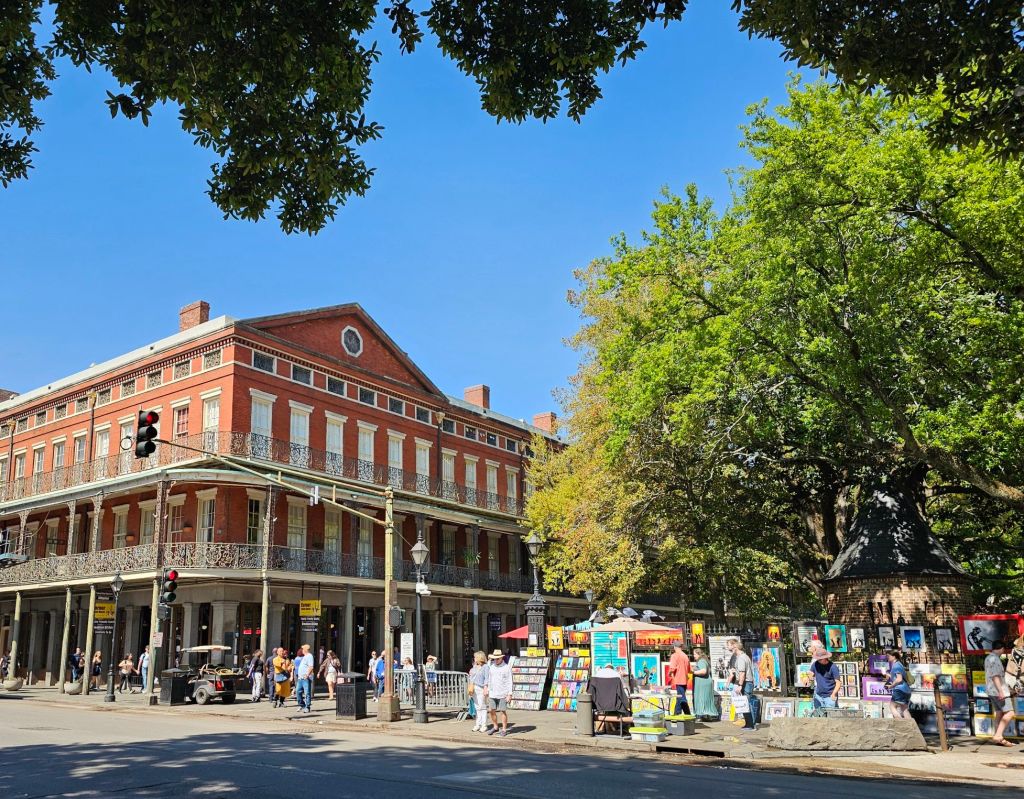
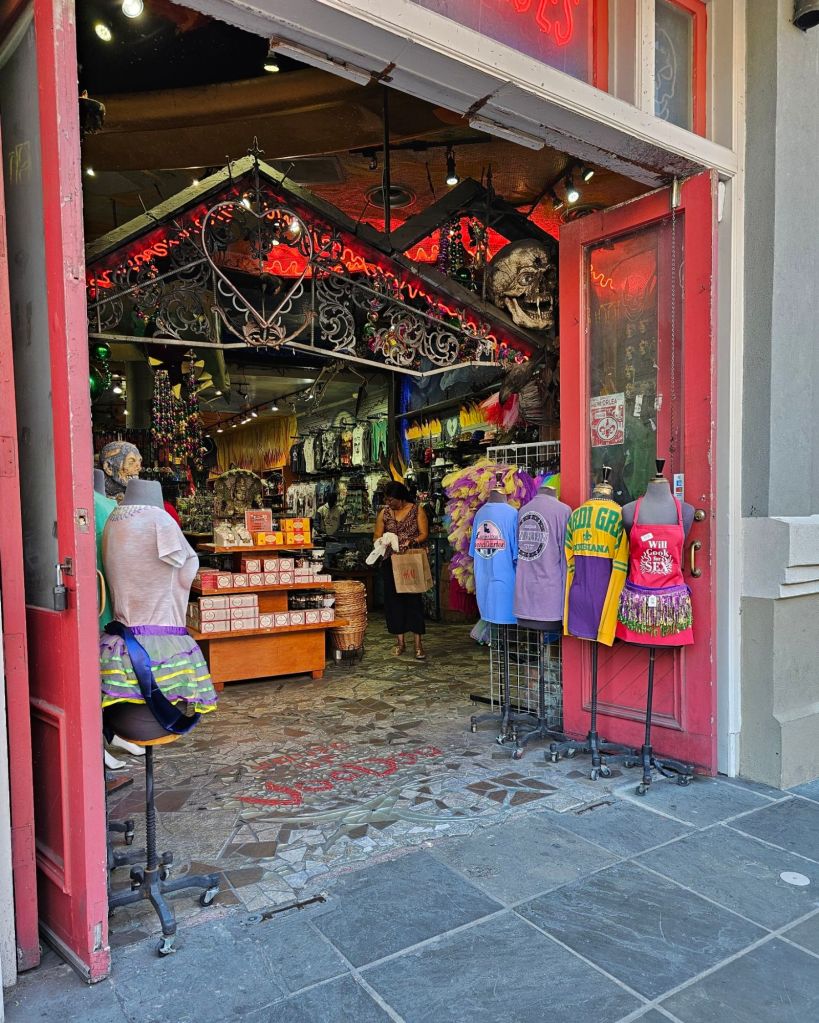

We took


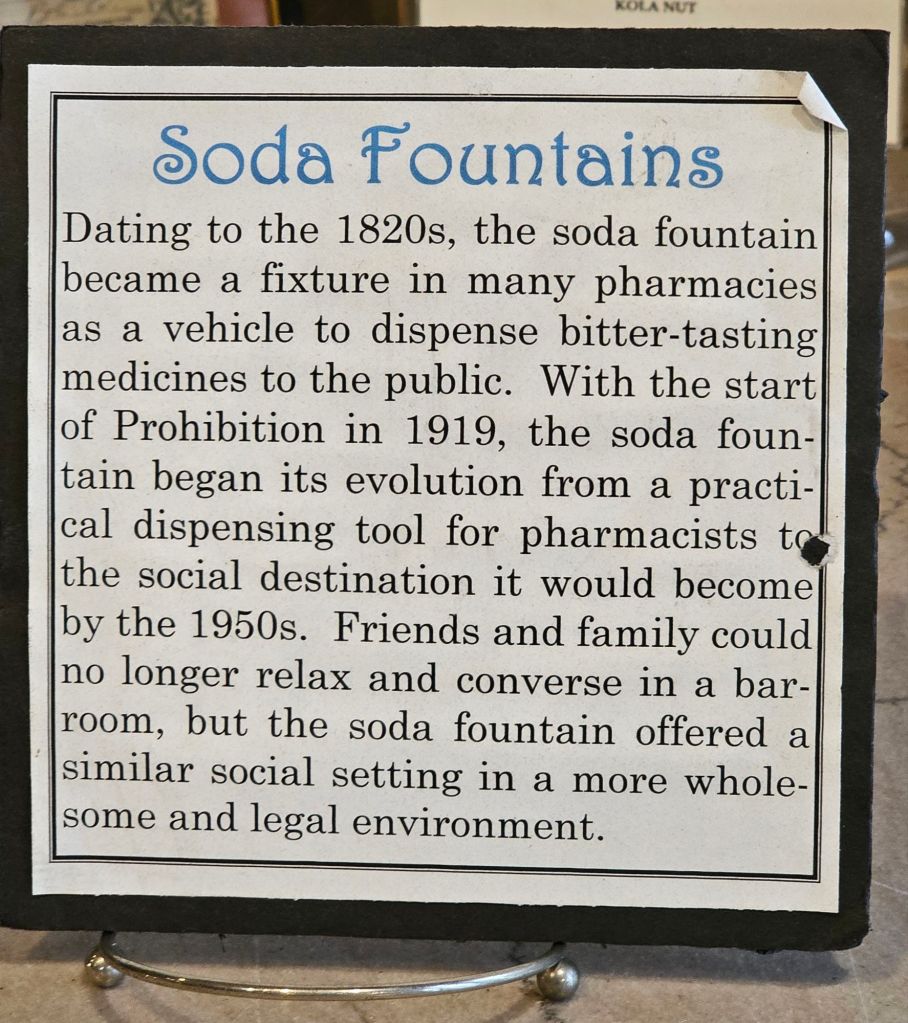

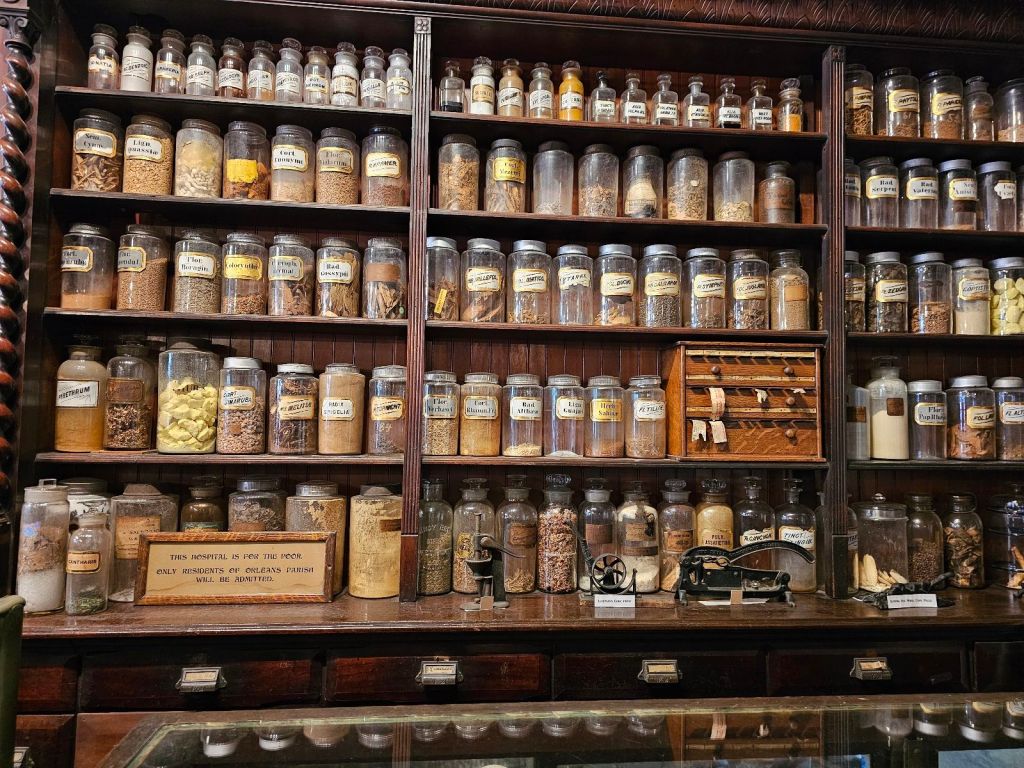

By the time we finished lunch at 3:30 pm we were also finished with New Orleans. The holiday crowd ( it was Good Friday) had moved into the French Quarter. We’d seen what we wanted to and had a couple of excellent meals. We walked back to the RV where we relaxed with a beer in the hot tub, had showers and watched a movie.
All good stuff. Saturday we only have a half hour drive to our next stop, St. Bernard State Park with some War of 1812 history along the way.
Well I do have to orovide some history of New Orleans so with the help of my Chatbot AI app, here we go, keeping it simple.
New Orleans
New Orleans, located in the southeastern region of the United States, has a rich and diverse history. The area was originally inhabited by Native American tribes before being settled by French colonists in 1718. The city was named after Philippe II, Duke of Orleans, who was the Regent of France at the time.
Throughout its history, New Orleans has been influenced by a variety of cultures, including French, Spanish, African, and Caribbean. This cultural mix is evident in the city’s architecture, cuisine, music, and traditions.
One of the most significant events in New Orleans history is the Louisiana Purchase of 1803, which doubled the size of the United States and brought the city under American control. The city became an important port and trading center, attracting people from around the world.
New Orleans is also famous for its unique musical heritage, including jazz, blues, and zydeco. The city’s annual Mardi Gras celebrations, with their elaborate parades and masked balls, are known worldwide.
In addition to its cultural contributions, New Orleans has faced challenges throughout its history, including devastating hurricanes and floods. The most notable of these was Hurricane Katrina in 2005, which caused widespread destruction and loss of life.
Despite these challenges, New Orleans has persevered and remains a vibrant and culturally rich city with a unique identity that continues to attract visitors from around the world.
 Louise and Brian McLeod Travel Blog
You must be logged in to post a comment.