As I said yesterday, we camped last night in a municipal campground on Bayou Teche in Parks, LA.
Local Food bank
We woke up this morning to see a line of cars on the road in front of our vehicle.
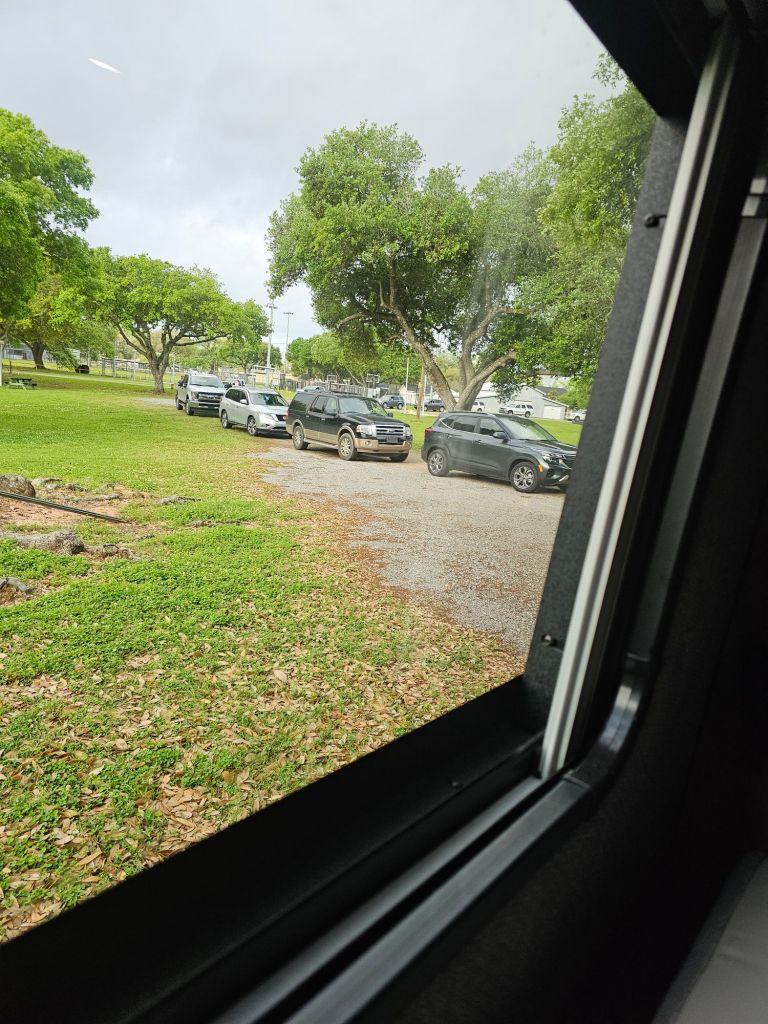
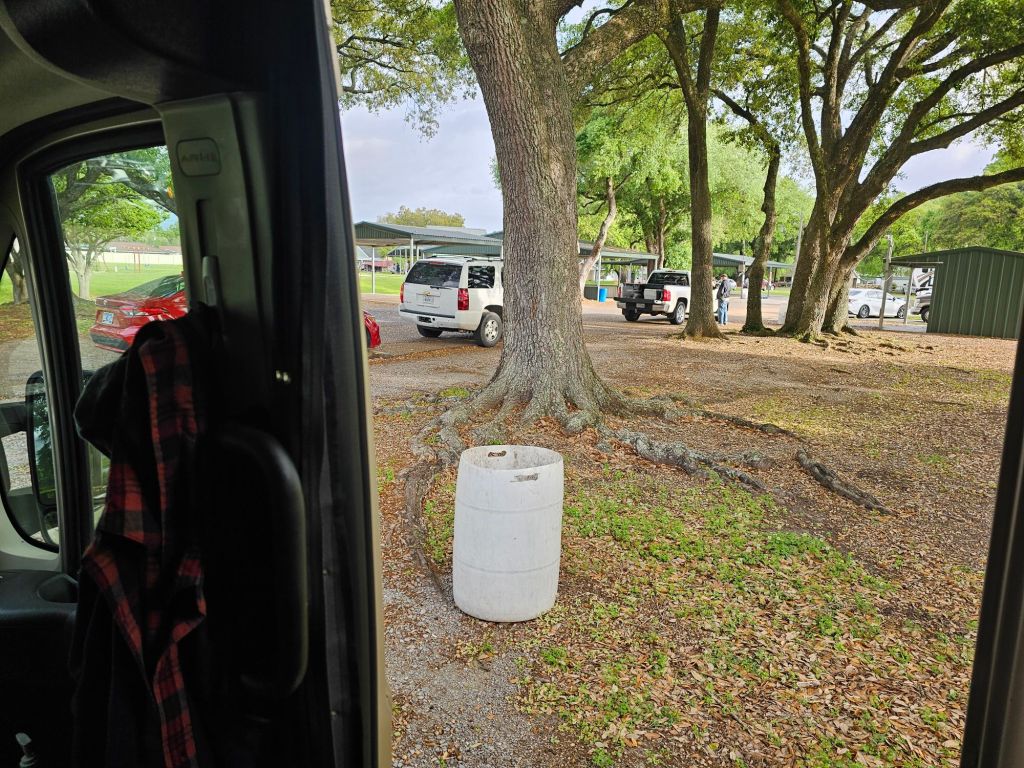
Each car had a driver still in it. We could only make one conclusion, they were in line for food. Sure enough, around 8 am, a large truck pulled up to the picnic shelters that are about 100 feet from our campsite and started setting up for food distribution. We’ve been up for an hour watching this. Everyone is still in their vehicles and very quiet. No one has moved yet. We won’t be able to get out until they do.
Today we are headed to Avery island and a tour of the McIllheney Tabasco Sauce facility and Jungle Garden tour. The weather was very windy with a promise of rain and thunderstorms. It WAS windy, but the rain didn’t come until much later. Lucky us.
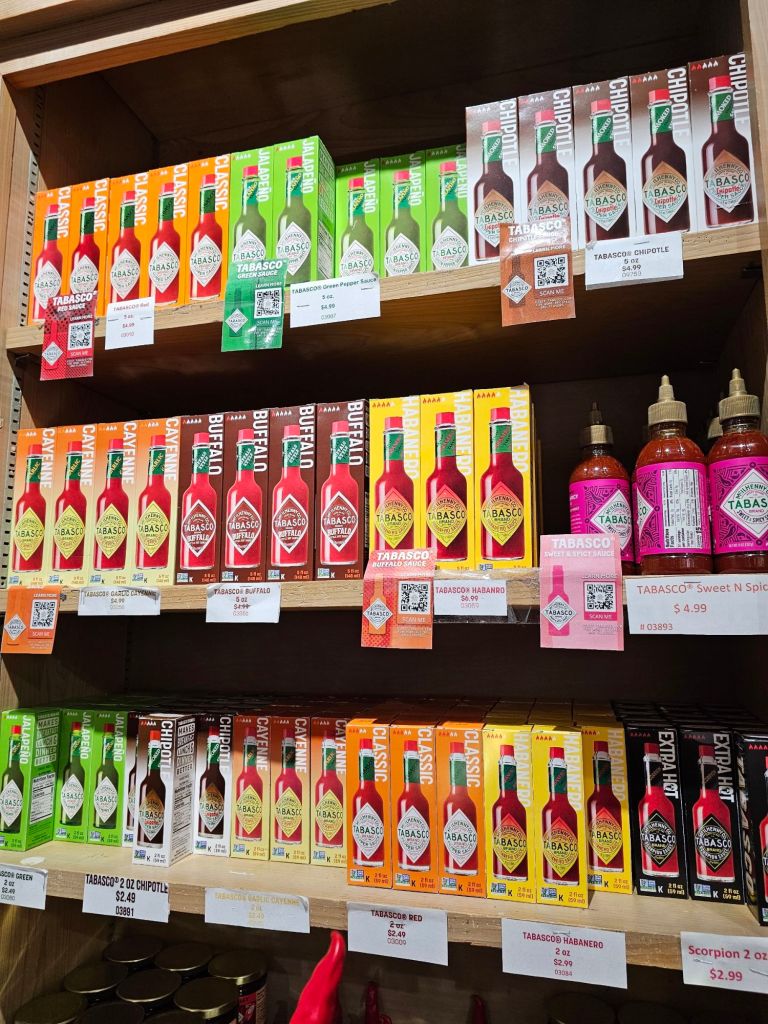
The McIlhenny Tabasco factory is on Avery Island, a salt dome which was ideal for growing peppers and creating the iconic sauce. The original creator wad a banker who’s fortune and livelihood didn’t survive the Civil War. A connoisseur of spicy food, he came up with the idea of creating a hot sauce that could be eaten all year-round, not just when the peppers were right. Glass bottles were scarce so he used recycled cologne bottles, hence the long necks. The rest is history.
Avery Island
Avery Island is a salt dome located in Iberia Parish, Louisiana, United States. It is known for being the birthplace of Tabasco hot sauce, as the McIlhenny family has been producing Tabasco sauce there since 1868. The island has a long history dating back thousands of years, with evidence of Native American habitation found on the island.
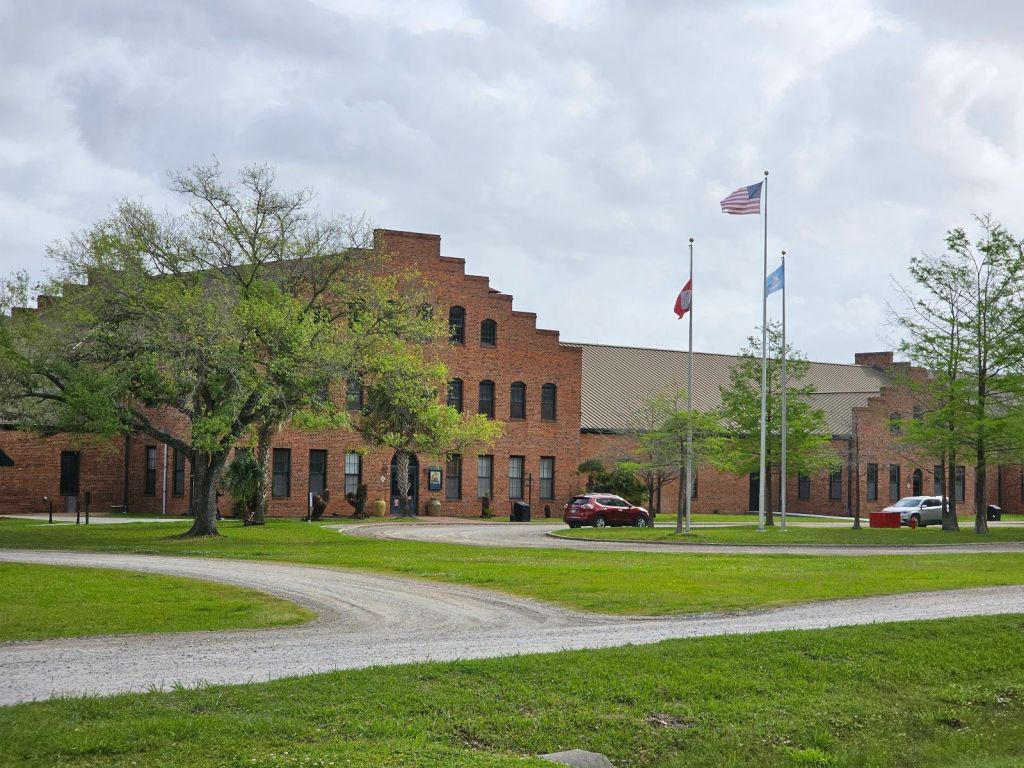
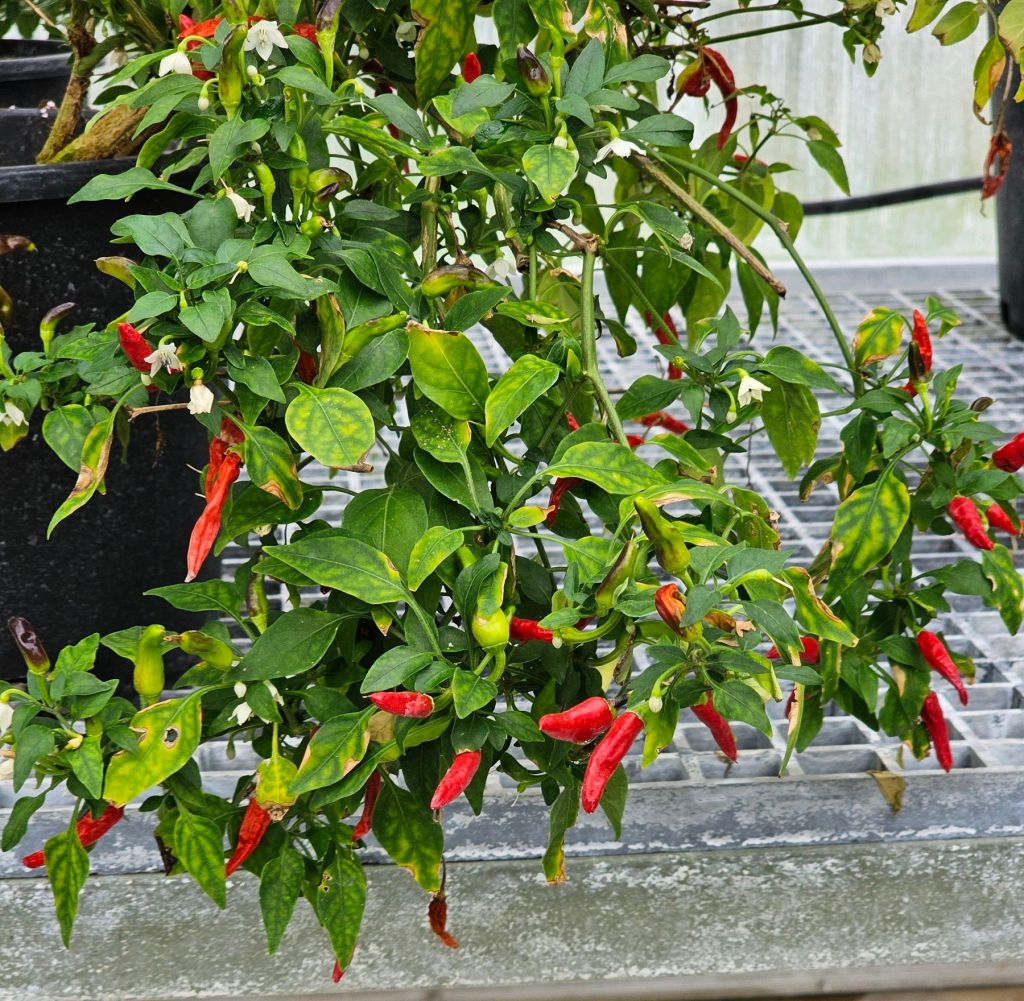
The name “Avery Island” dates back to the 1830s when a former surveyor for the U.S. government, Judge John Avery McIlhenny, acquired the property. The McIlhenny family planted the first Tabasco pepper plants on the island in the mid-1860s, and the hot sauce business took off shortly after.
Today, Avery Island is a popular tourist destination, with the Tabasco factory offering tours and a museum showcasing the history of the company and the production process of the famous hot sauce.
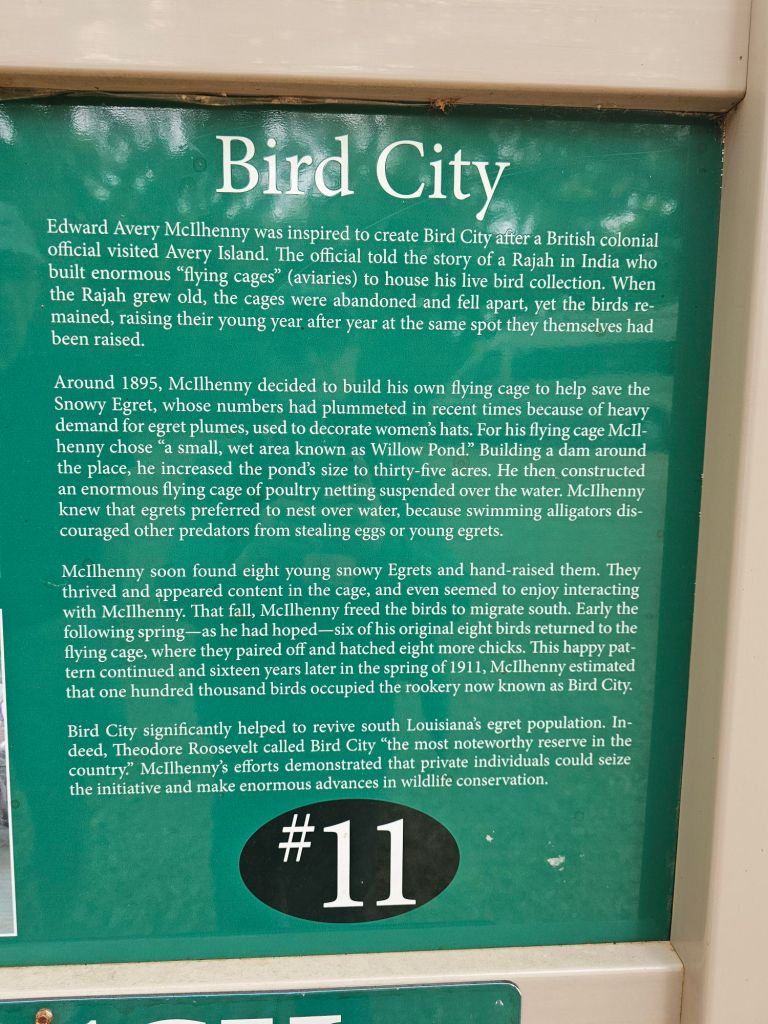
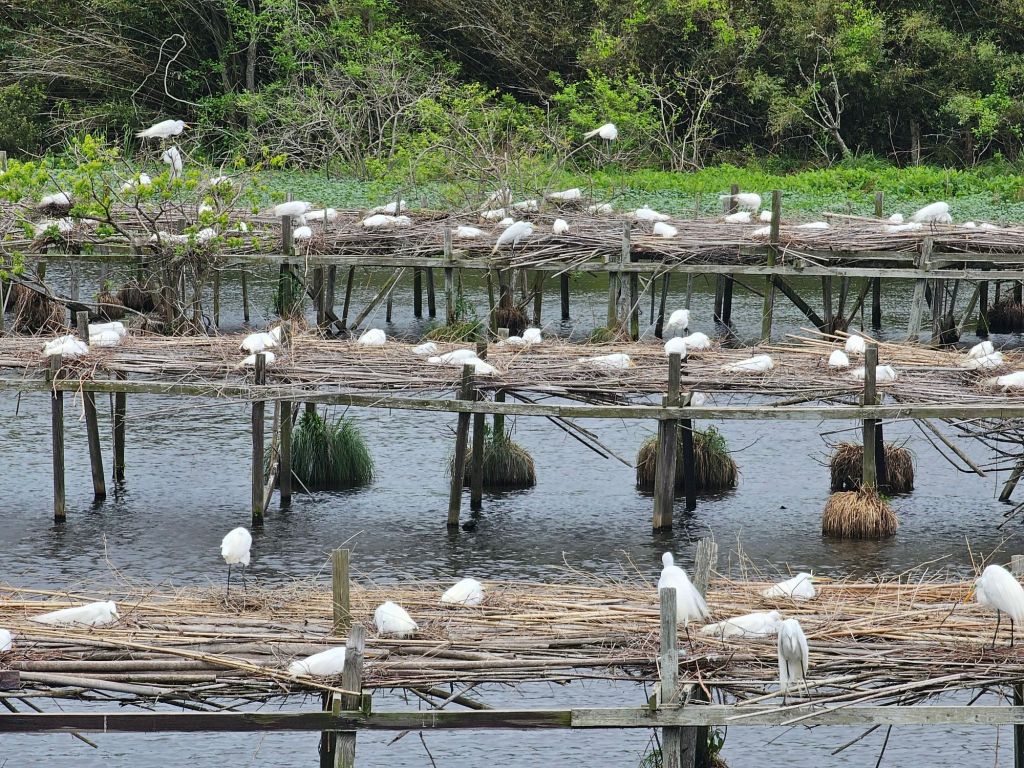
In addition to being known for Tabasco sauce, Avery Island is home to a diverse ecosystem, including subtropical flora and fauna that thrive in the salt dome environment. The island is a designated bird sanctuary, providing a habitat for a variety of bird species.
Avery island Salt Dome
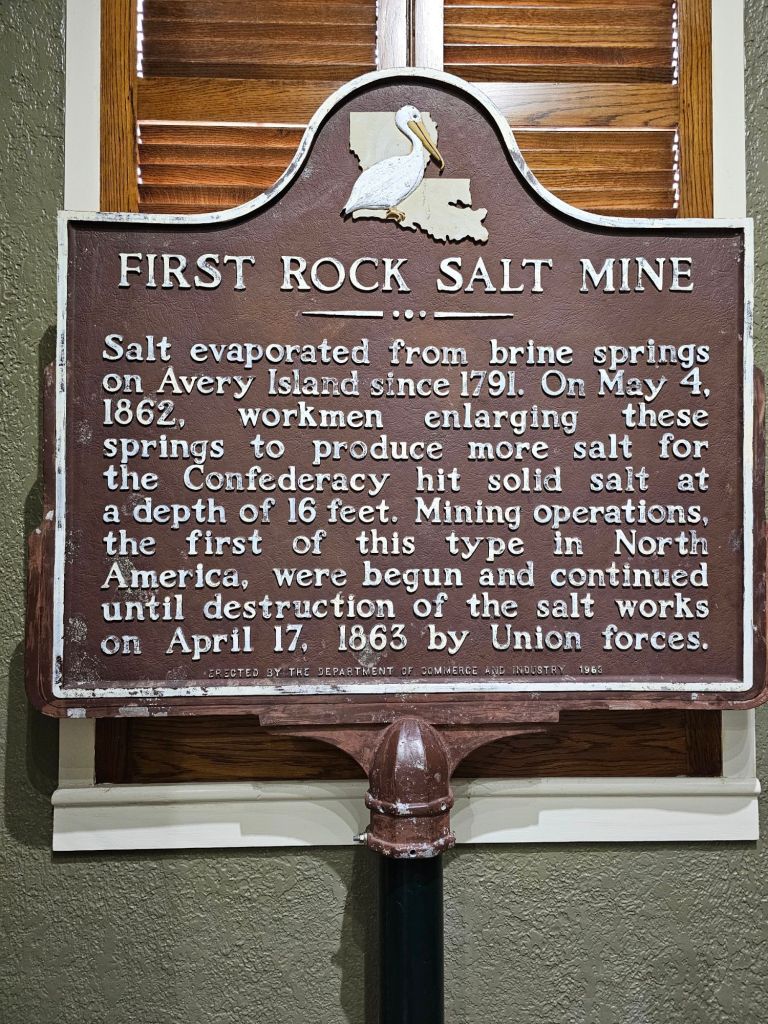
The Avery Island Salt Dome is a geologic formation located in southern Louisiana, USA. It is a massive underground deposit of salt that has been formed over millions of years. Salt domes are common in this region and are created when ancient oceans evaporate, leaving behind layers of salt that eventually get buried by sediment.
The Avery Island Salt Dome is particularly famous because it is the location of the McIlhenny Company’s Tabasco sauce factory. The company was founded by Edmund McIlhenny in 1868, and it has been producing its signature hot sauce on Avery Island ever since.
In addition to its significance as a source of salt and as the home of the Tabasco factory, the Avery Island Salt Dome also plays a role in the local economy and environment. The presence of the salt dome has influenced the formation of oil and gas deposits in the region, which has led to the development of oil and gas extraction activities.
Overall, the Avery Island Salt Dome is an important geological feature with cultural, economic, and environmental significance in southern Louisiana.
McIllheney Tabasco Sauce
Tabasco sauce is a hot sauce made primarily from tabasco peppers, vinegar, and salt. The sauce is produced by the McIlhenny Company, which was founded in 1868 by Edmund McIlhenny. The process of making Tabasco sauce involves the following steps:
- Pepper Selection: Tabasco peppers are grown on Avery Island in Louisiana. The peppers are hand-picked when they reach their peak ripeness and vibrant red color.
- Pepper Mashing: After being picked, the peppers are mashed in large fermentation barrels along with a small amount of salt. The salt helps to preserve the peppers and enhance their flavor.
- Fermentation: The pepper mash is then left to ferment in the barrels for up to three years. During this time, natural yeasts and bacteria present on the peppers help to break down the pepper solids and develop the complex flavors of the sauce.
- Vinegar Aging: After fermentation, the pepper mash is mixed with high-quality distilled vinegar, which helps to balance the heat of the peppers and preserve the sauce.
- Bottling: The final step in the process is bottling the Tabasco sauce in the iconic small glass bottles that are sold worldwide.
Overall, the making of Tabasco sauce is a time-honored process that has been perfected over generations. The sauce’s distinctive flavor and heat profile have made it a beloved condiment enjoyed by people around the world.
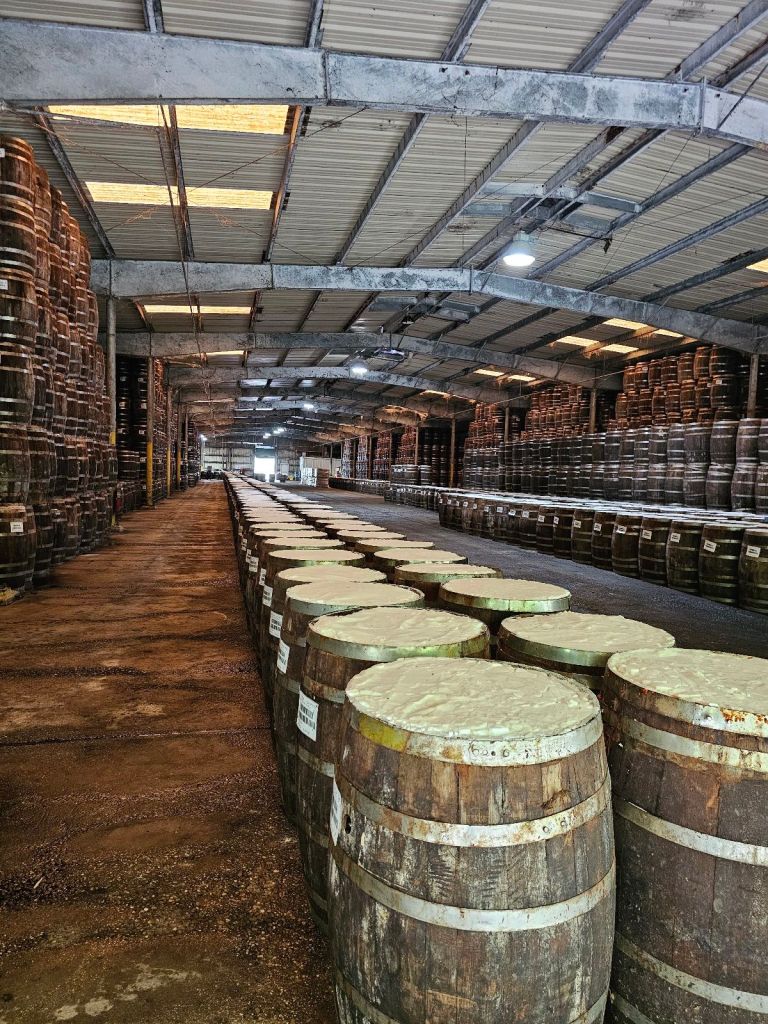
There are currently seven different flavors of Tabasco Sauce available: Original Red, Green Jalapeño, Chipotle, Habanero, Garlic Pepper, Buffalo Style, and Scorpion Sauce.
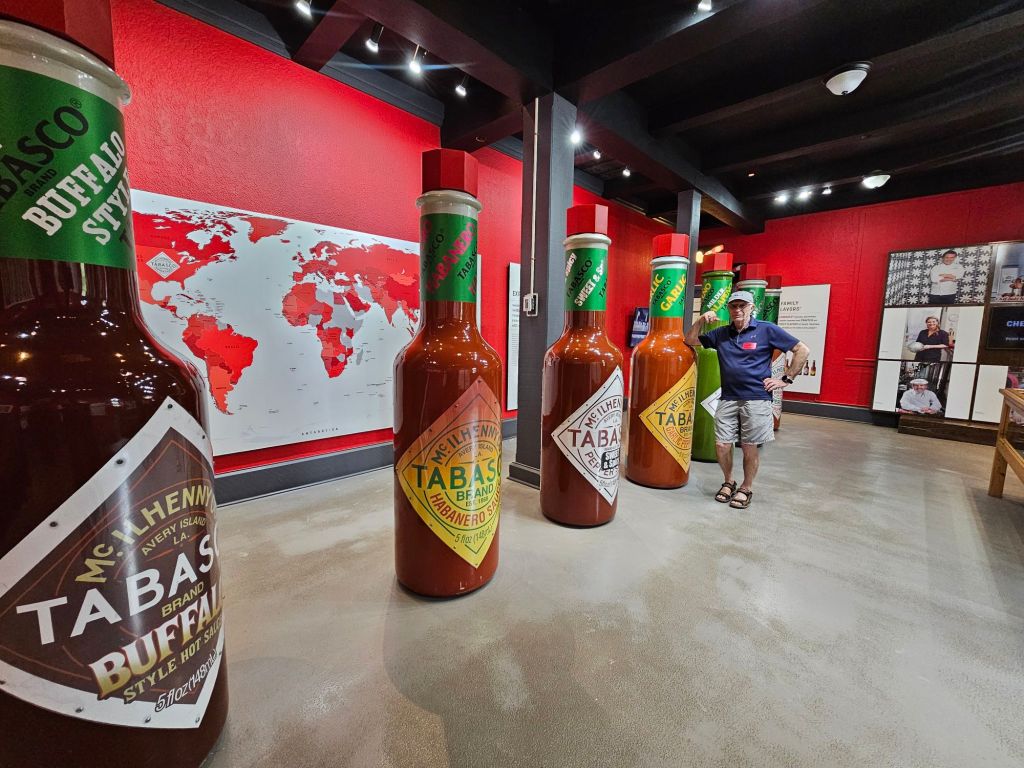
We had lunch in the restaurant here and the ln headed towards our campsite for the night.
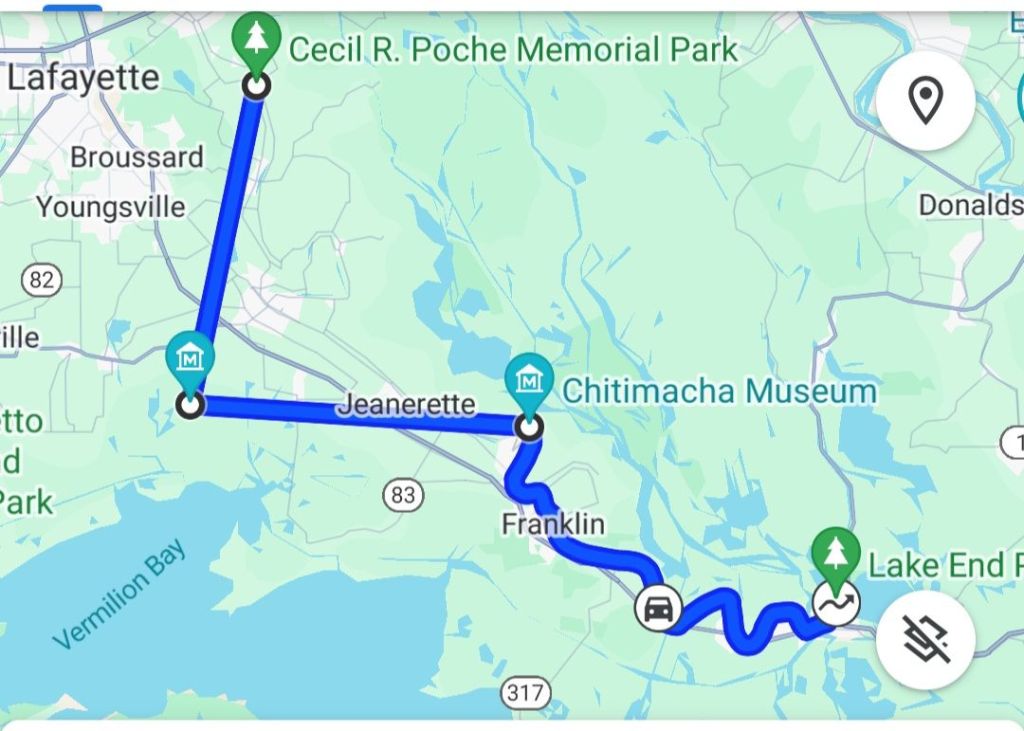
We had hoped to visit the museum of the local Chitamacha Indians in Clarendon but it was closed
Chitimacha Indians, Charenton LA
The Chitimacha are a Native American tribe originally from the state of Louisiana in the United States. They are one of the oldest tribes in North America with a history that dates back thousands of years. The Chitimacha people traditionally lived in villages along the Bayou Teche and Atchafalaya River.
The Chitimacha were known for their skill in agriculture, hunting, and fishing. They cultivated crops such as corn, beans, and squash, and they also relied on fishing as a major food source. The Chitimacha were skilled craftspeople, known for their intricate basket weaving and woodcarving.
In the 18th and 19th centuries, the Chitimacha population declined significantly due to European diseases and conflicts with colonizers. Today, the Chitimacha Nation is a federally recognized tribe with a reservation in Charenton, Louisiana. They are known for their efforts in preserving their cultural heritage and language.
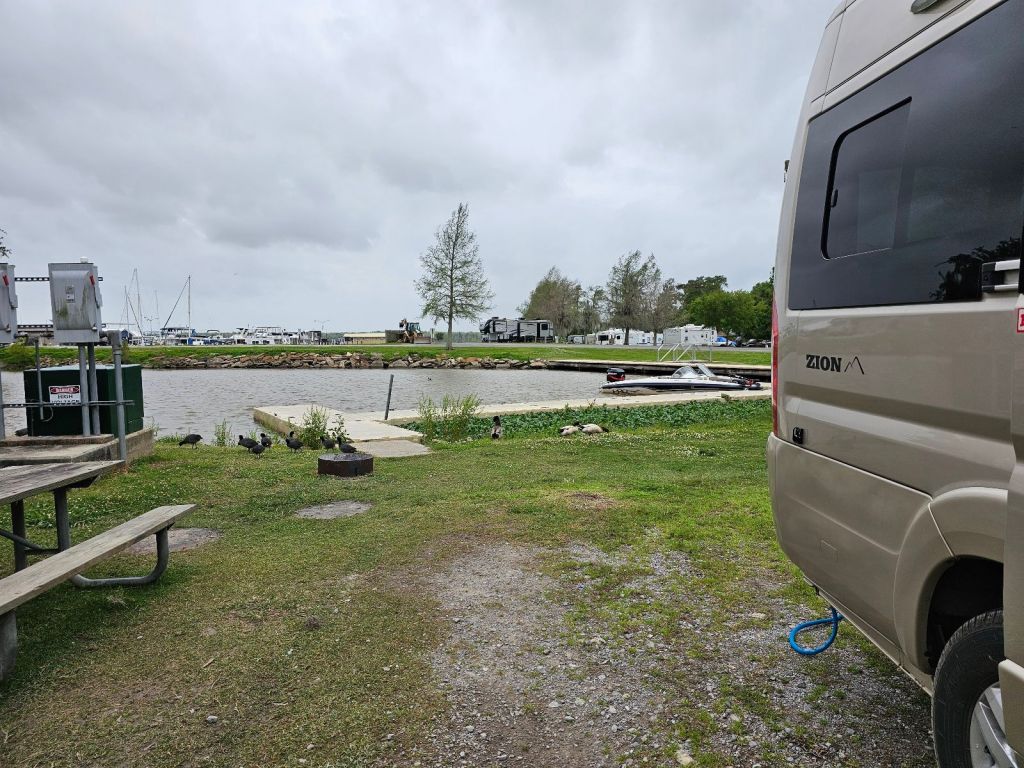
Our resting stop was in a beautiful municipal campgrounds in Morgan City on the shores of Palourd (clam) Lake. It was stormy looking and very windy with on and off rain. It was too windy to put out the Starlink.
We woke this morning (Tuesday) to a gorgeous day and lots of squirrels, who get fed peanuts by the other campers, so they were unusually cheeky.
 Louise and Brian McLeod Travel Blog
You must be logged in to post a comment.