This is Sunday. We planned a short day of driving today so we could wander around the small towns in this part of Louisisiana where the Acadians who had been expelled from Nova Scotia by the British in the mid 1800s settled.
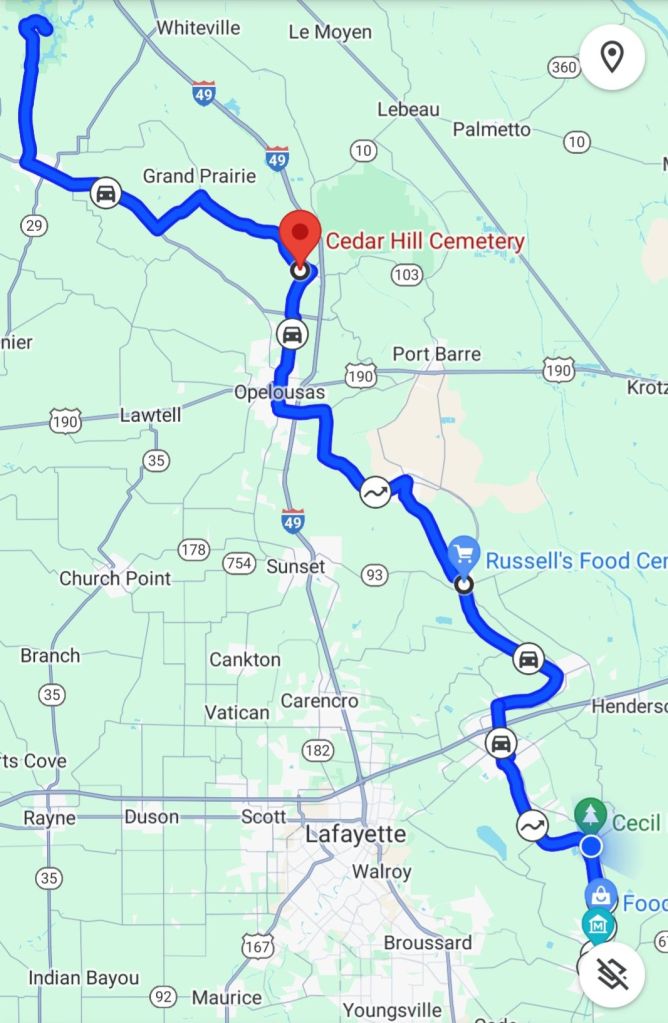
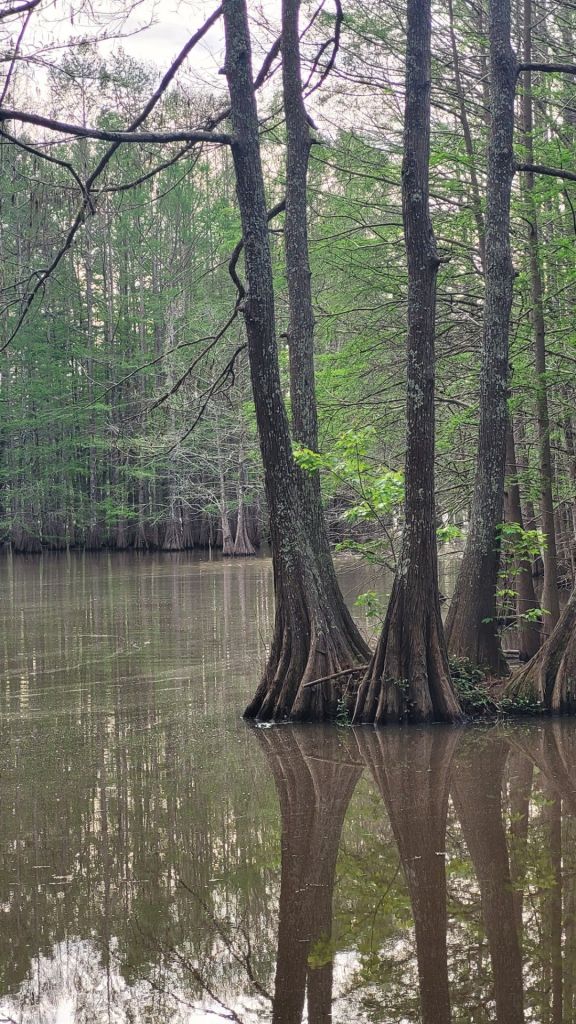
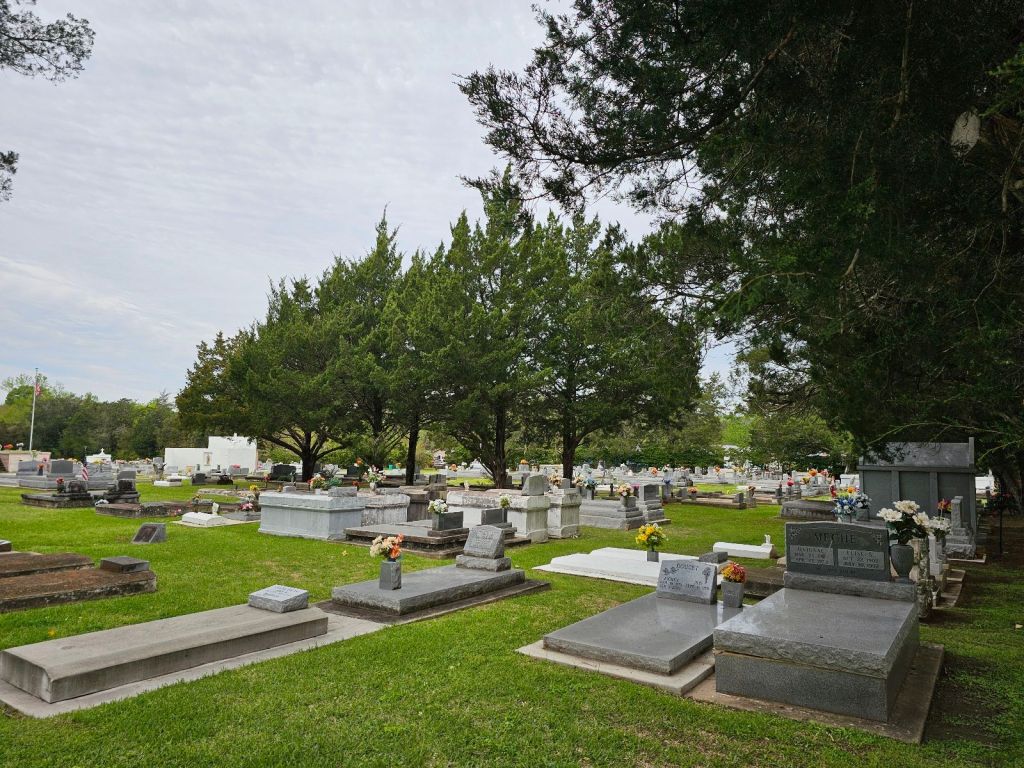
Starting with Chicot Bayou, we drove through Ville Platte, Washington, Opelousas, Arnaudville, Breaux Bridge, Parks, St. Martinville.
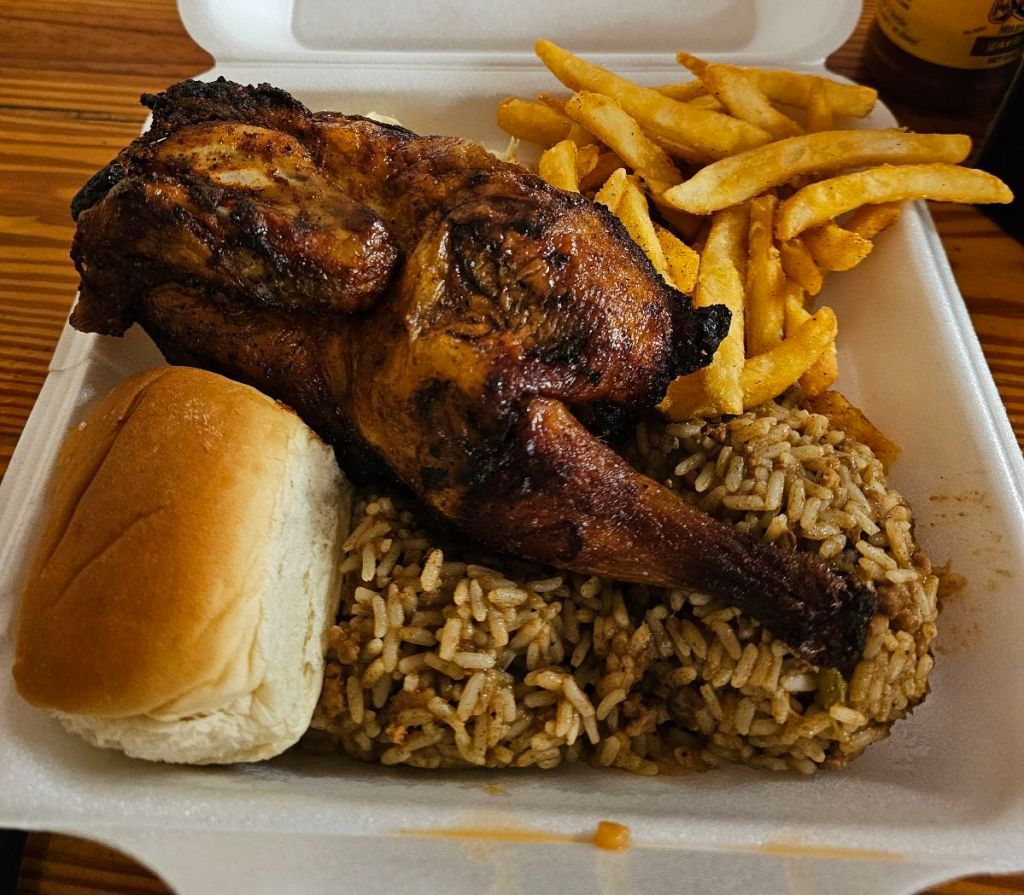
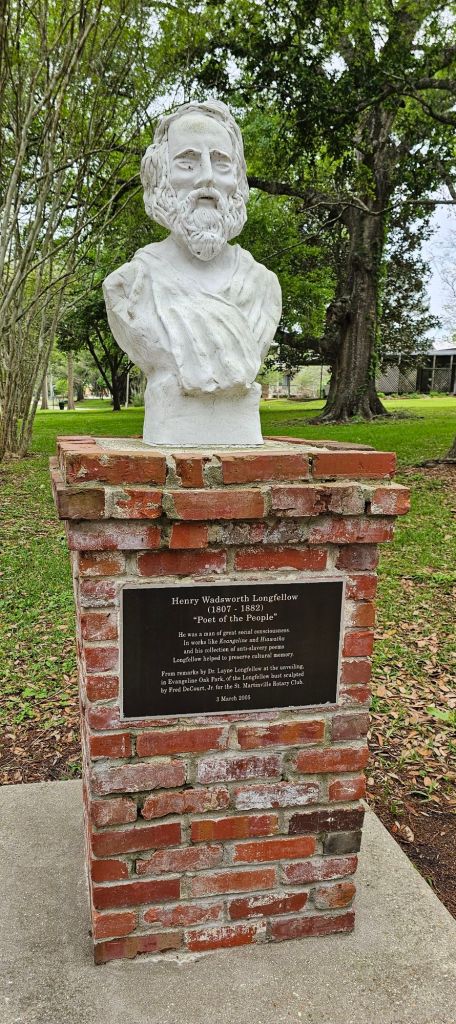
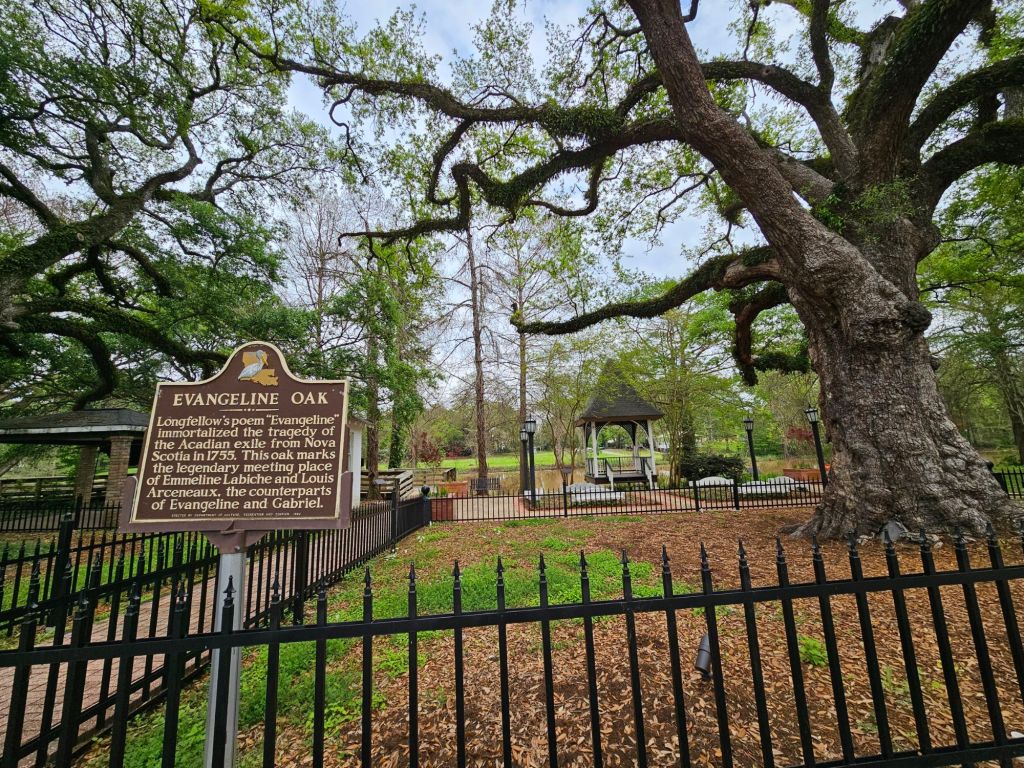
In St. Martinsville we stopped at the Longfellow-Evangeline State Park for a visit to a restored Acadian plantation house and farm and then visited Evangline’s Oak.
The Acadian Expulsion
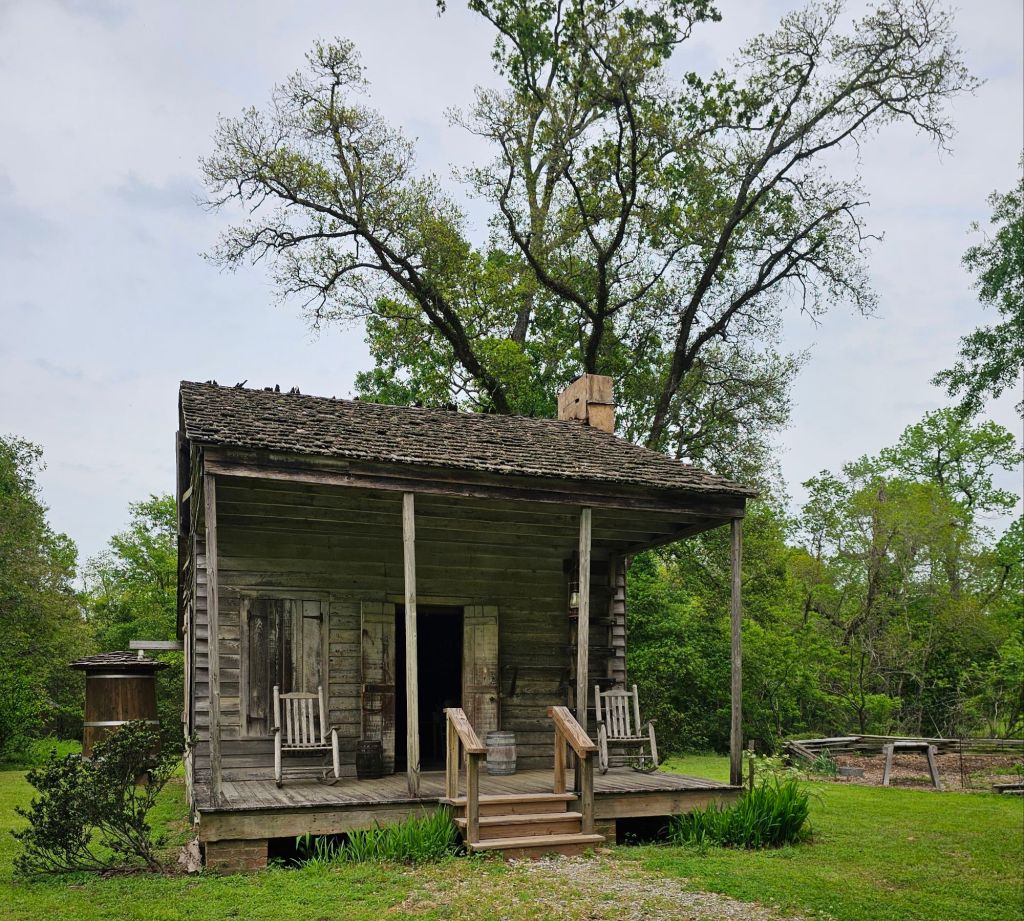
The Acadian expulsion, also known as the Great Upheaval, occurred during the mid-18th century in British-controlled Acadia (present-day Maritime provinces of Canada). Following the British conquest of Acadia in 1710, tensions rose between the Acadian French inhabitants and the British authorities.
In 1755, the British authorities issued the deportation order known as the Expulsion of the Acadians. Around 10,000 Acadians were forcibly removed from their homes and communities, with families being separated and sent to various destinations, including British colonies and mainland France.
The expulsion was a traumatic event in Acadian history, leading to significant hardship, suffering, and loss of life among the Acadian population. Many Acadians died during the forced marches and resettlement, while others faced harsh conditions in their new locations.
Acadians in Louisiana
Many Acadians fled to French-controlled Louisiana, where they eventually became known as Cajuns. They settled in the bayous and swamps of southern Louisiana, where they adapted to the local environment and developed a unique culture that blended French, Spanish, African, and Native American influences.
Acadiana
Acadiana is a region in southern Louisiana in the United States, known for its vibrant Cajun and Creole culture. The region consists of 22 parishes, including Lafayette, St. Landry, Iberia, Acadia, and Vermilion. Acadiana is famous for its distinctive cuisine, which includes dishes like gumbo, boudin, crawfish étouffée, and jambalaya.
The music scene in Acadiana is also rich and diverse, with genres such as zydeco, Cajun, and swamp pop being popular. Festivals celebrating the area’s culture, music, and food are prevalent throughout the year, including the Festival International de Louisiane in Lafayette and the Breaux Bridge Crawfish Festival.
The people of Acadiana are known for their warm hospitality and strong sense of community. The region’s history is deeply connected to the Acadian people, who were French settlers expelled from Canada in the 18th century and who eventually found a home in Louisiana.
Overall, Acadiana is a culturally rich and unique region that offers visitors a taste of traditional Cajun and Creole heritage.
Longellow’s Evangeline
“Evangeline, A Tale of Acadie” was written by American poet Henry Wadsworth Longfellow. The poem tells the story of Evangeline Bellefontaine, a young Acadian woman who is separated from her love, Gabriel Lajeunesse, during the forced expulsion of the Acadians by the British in the mid-18th century. Evangeline spends years searching for Gabriel, only to finally find him on his deathbed. The poem is known for its themes of love, loss, and perseverance, as well as its romantic portrayal of the Acadian people and the history of the region.
The story of Evangeline is considered a powerful symbol of the resilience and endurance of the Acadian people, many of whom ended up in Louisiana after being displaced from their homeland. The poem has been embraced by Cajun culture and is often seen as a reflection of the hardships and struggles faced by the Acadian community.
Evangeline has come to represent the spirit of the Acadian people and their ability to persevere through adversity. The poem is often studied and celebrated in Acadiana as a way to honor the history and traditions of the Acadian culture in the region.
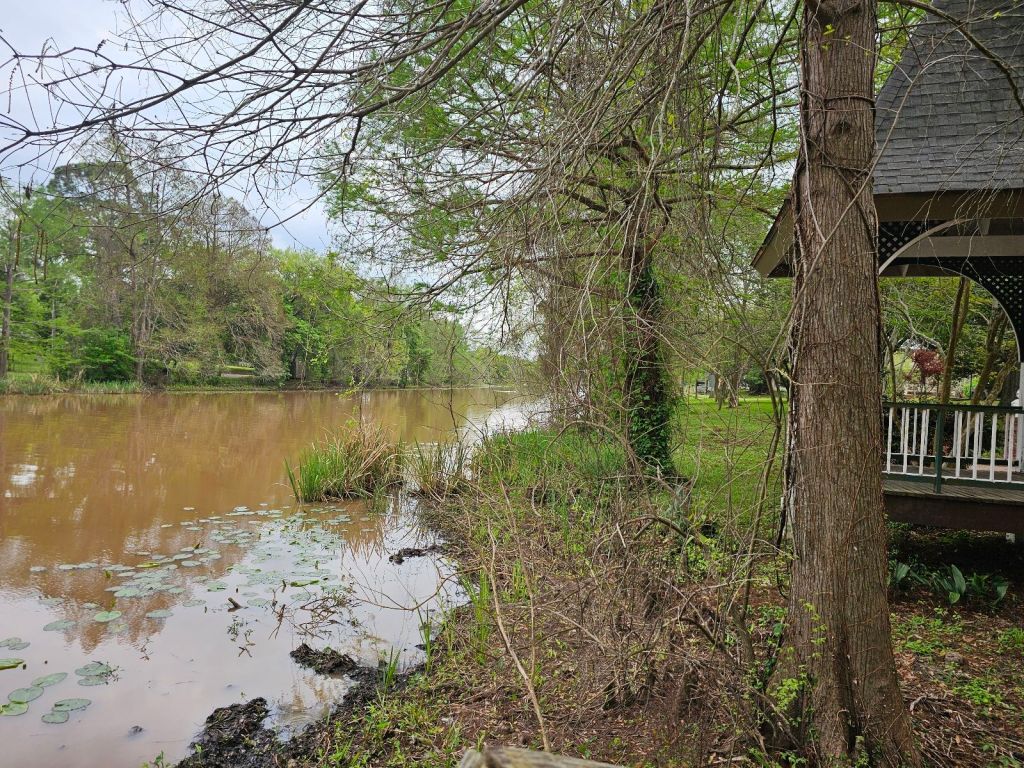
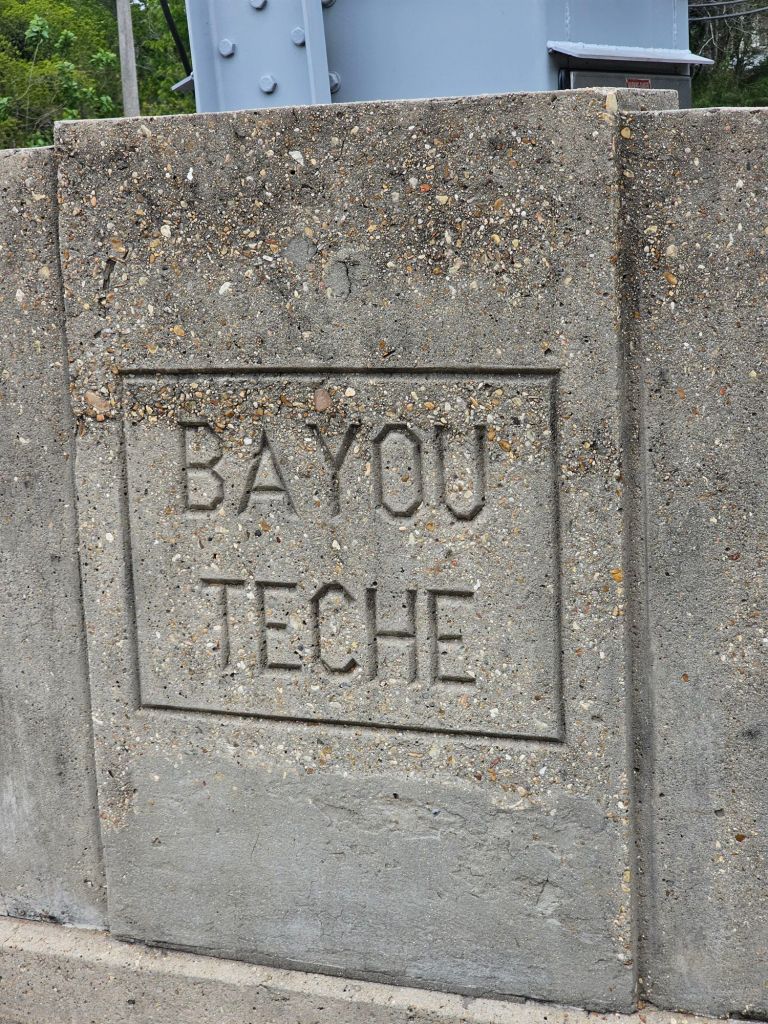
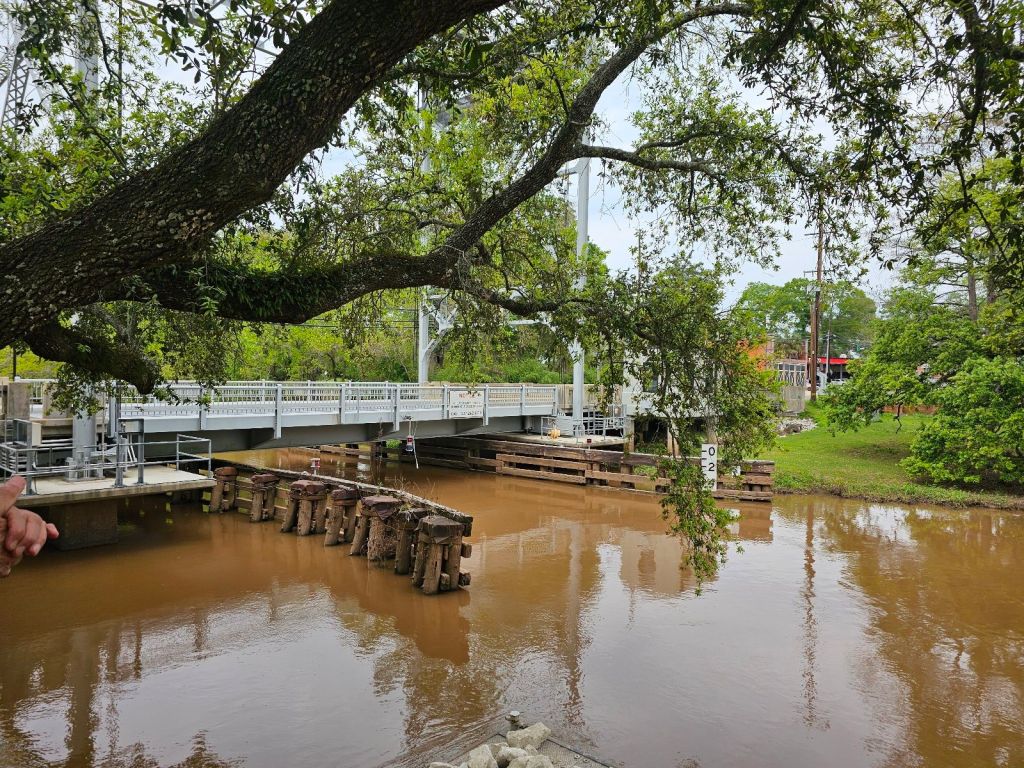
Tonight we are staying in a town center park in Parks, LA along the Bayou Teche.
Bayou Teche
Bayou Teche is a picturesque waterway in south-central Louisiana, United States. It is a slow-moving bayou that meanders for about 135 miles through several parishes in the Acadiana region. The bayou is known for its scenic beauty, cypress trees, wildlife, and historic significance.
Bayou Teche has played a significant role in the history and culture of the region. It was once an important transportation route for Native Americans and early European settlers.
The bayou passes through several charming towns and communities, including Breaux Bridge, St. Martinville, and New Iberia, each with its own unique culture and traditions.
Overall, Bayou Teche is a beloved natural and cultural landmark in Louisiana.
Bayou
Ok.. how many of us know what a Bayou actually is? I didn’t.
A bayou is a marshy outlet of a lake or river, typically slow-moving or stagnant, and often part of a larger body of water. It is a term commonly used in the Southern United States to describe a small, sluggish stream or creek.
As we are camped tonight right on Bayou Teche, the historic sign says that this bayou was the main channel of the Mississippi 4-5,000 years ago prior to the establishment of the delta.
People are friendly here. A local couple stopped by to welcome us and we chatted for about 20 minutes. This town is noted for its Cracklings cook off which takes place 2 weeks from now. This place will be bustling!
The mayor also dropped by to say hello!
These are the little things that make a difference.
Before dinner we were able to zoom with a daughter while enjoying a glass of wine together. Lunch was dinner so we for our evening meal we snacked on shrimp, cheese, crackers and raw vegetables while listening to Karlos Nikai streaming over our personal internet.
All in all, a great day!
 Louise and Brian McLeod Travel Blog
You must be logged in to post a comment.