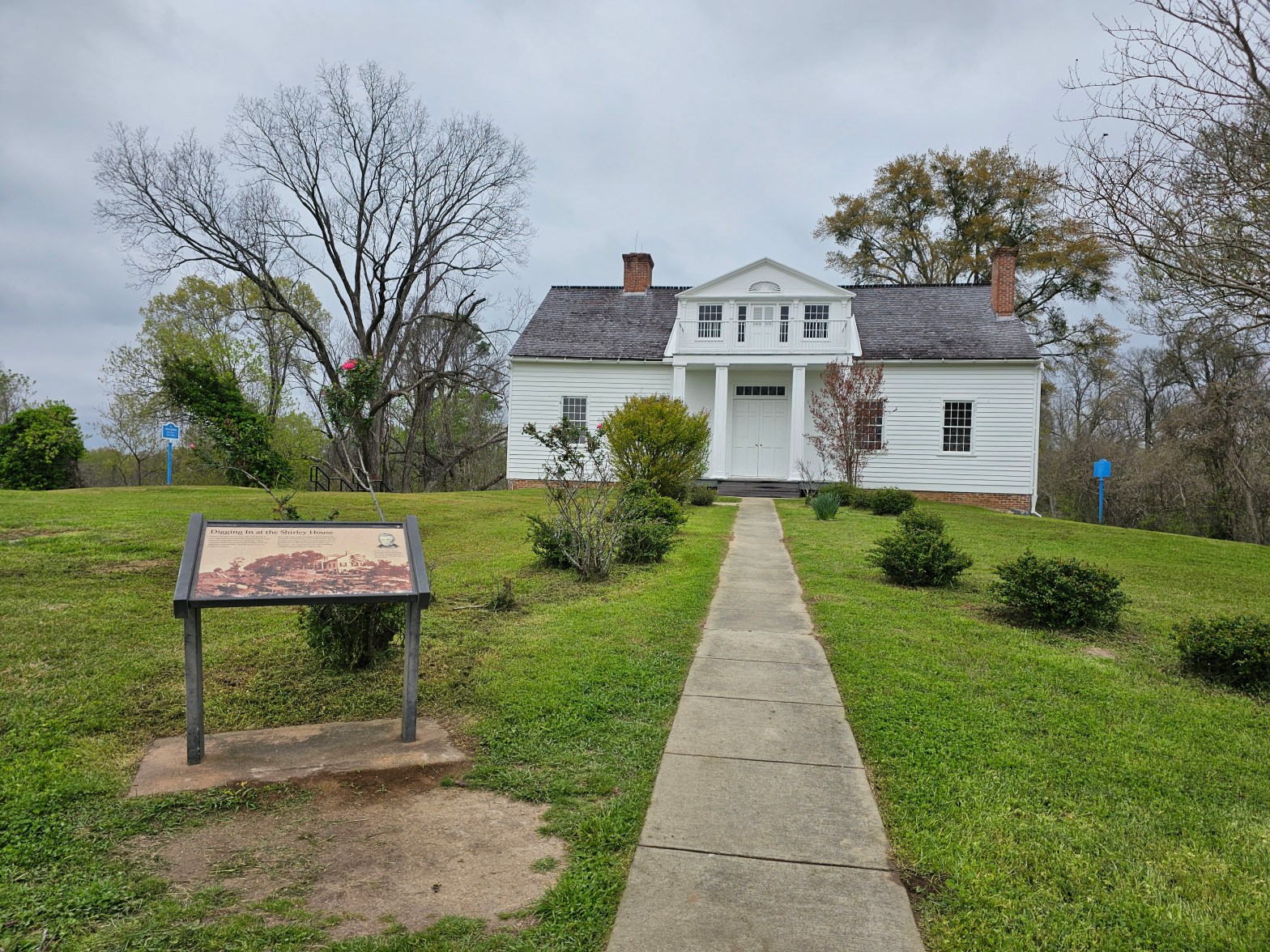
Woke up to light rain today. Not in any hurry as our next stop is just 55 miles further along highway 55/20. We will spend the day at the Vicksburg Military Museum NP. The Vicksburg Campaign was a major victory for the Union in 1863. More about that later.
I want to talk about Mississippi, a new state for us and one I knew little, if anything, about. For one thing, there are a lot more trees than I was anticipating.
Surprisingly to me, Mississippi has a strong timber industry, with forests covering about two-thirds of the state’s land area. Timber products such as lumber, plywood, and paper are important exports for the state
Mississippi has a rich history in agriculture with the state’s fertile soil and favorable climate supporting a diverse range of crops and livestock. Some of the key agricultural products in Mississippi include poultry, soybeans, cotton, corn, and timber.
Poultry is the leading agricultural commodity in Mississippi, with the state being a major producer of broiler chickens, eggs, and turkey. Soybeans and cotton are also important crops in the state, with Mississippi being one of the top soybean-producing states in the country..
Overall, agriculture plays a vital role in the economy of Mississippi, providing jobs and income for many residents and contributing significantly to the state’s economy.
Vicksburg, Mississippi
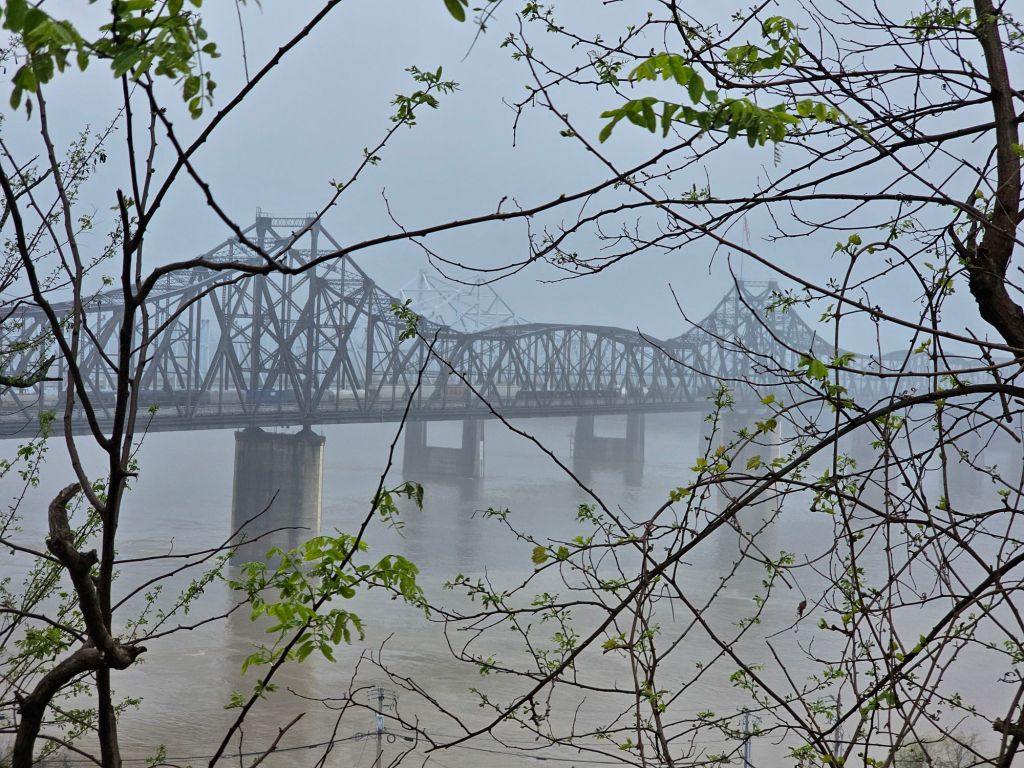
Vicksburg is a historic city located in western Mississippi, along the Mississippi River. Vicksburg is known for its antebellum architecture, scenic riverfront views, and vibrant arts and cultural scene.
The Vicksburg National Military Park
Vicksburg known for its significant role in the American Civil War, particularly the Siege of Vicksburg in 1863, when Union forces under General Ulysses S. Grant besieged and eventually captured the city after a prolonged campaign. The siege of Vicksburg was a turning point in the war, as it effectively split the Confederacy in half and gave the Union control of the Mississippi River.
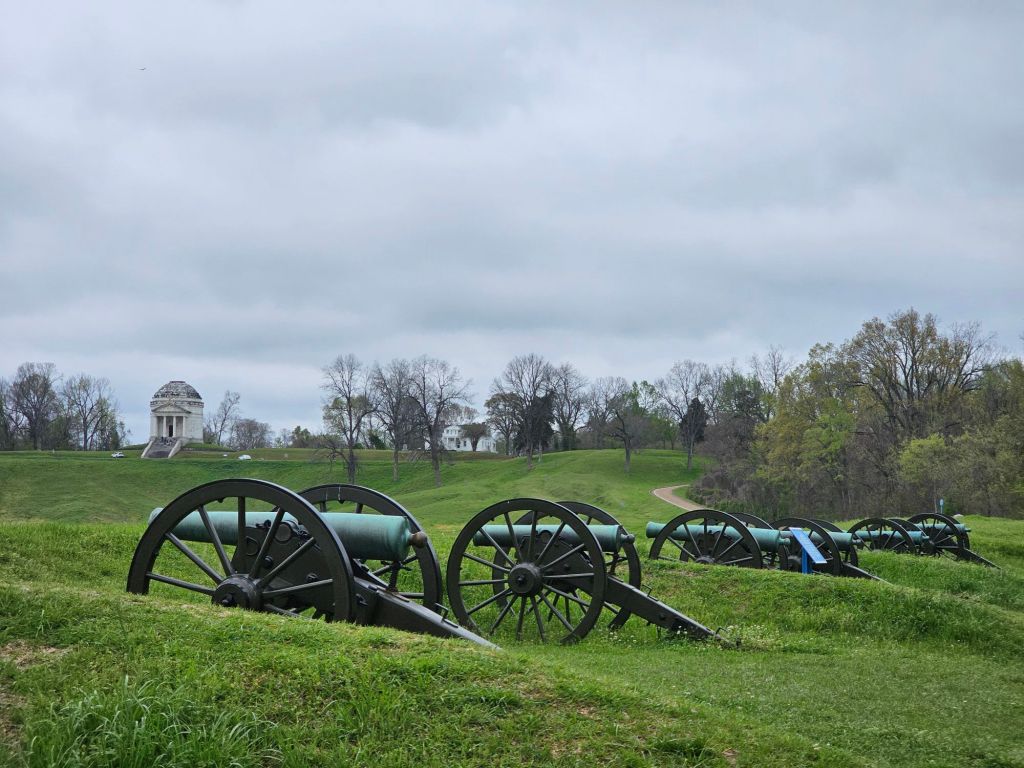
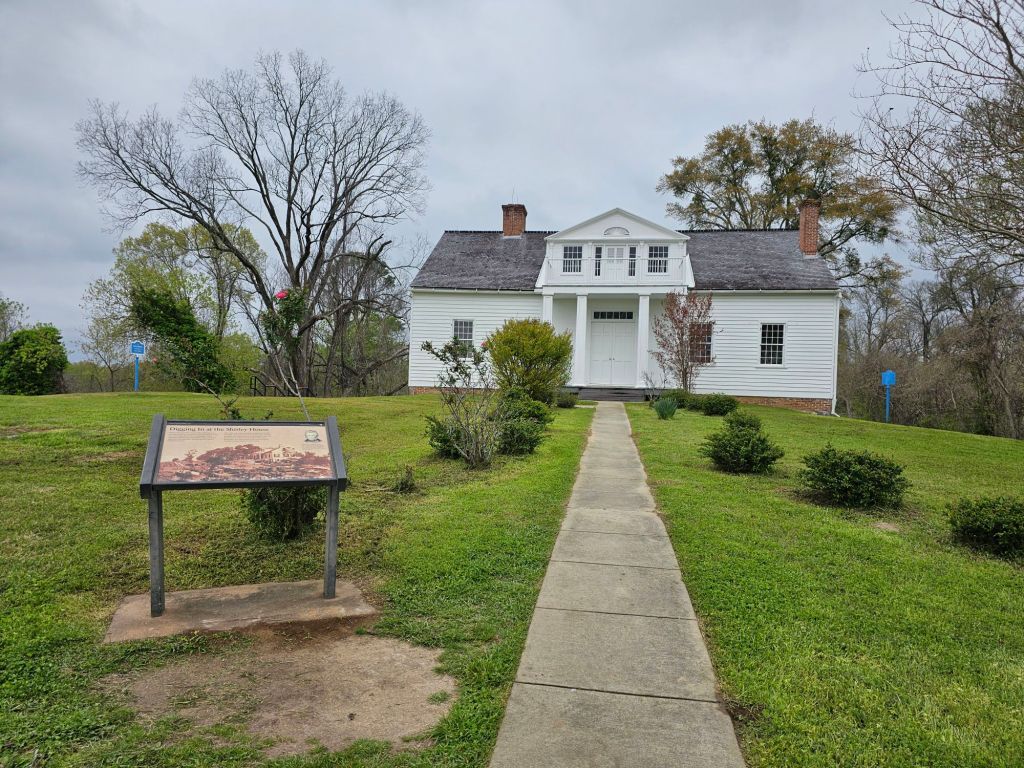
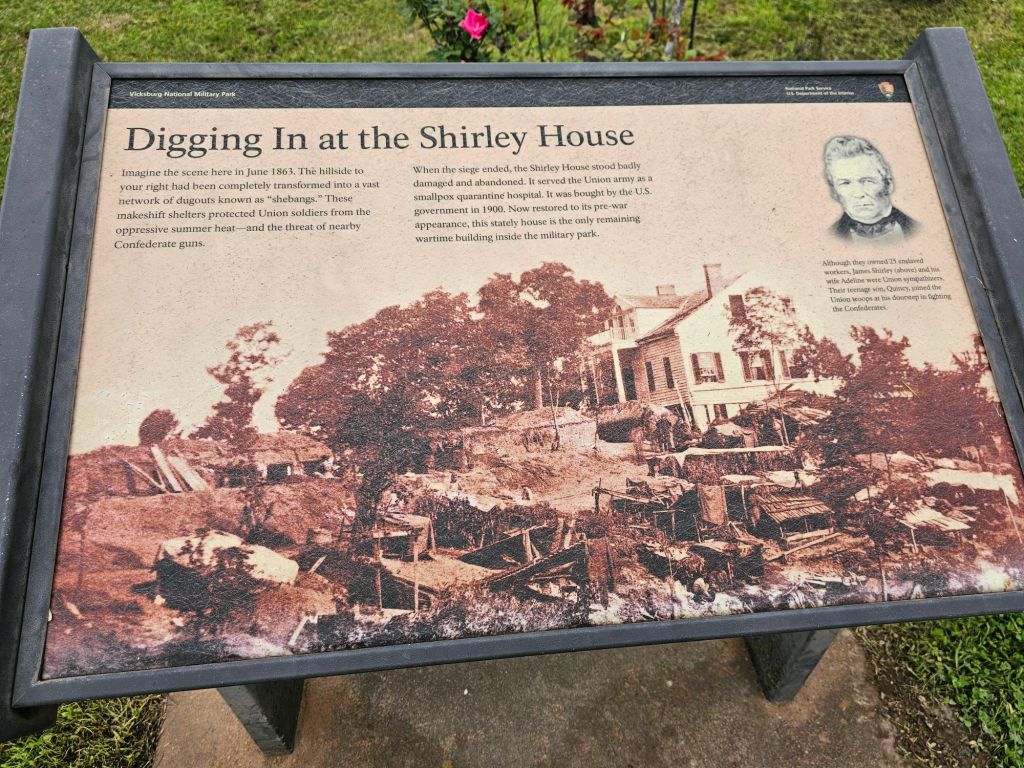
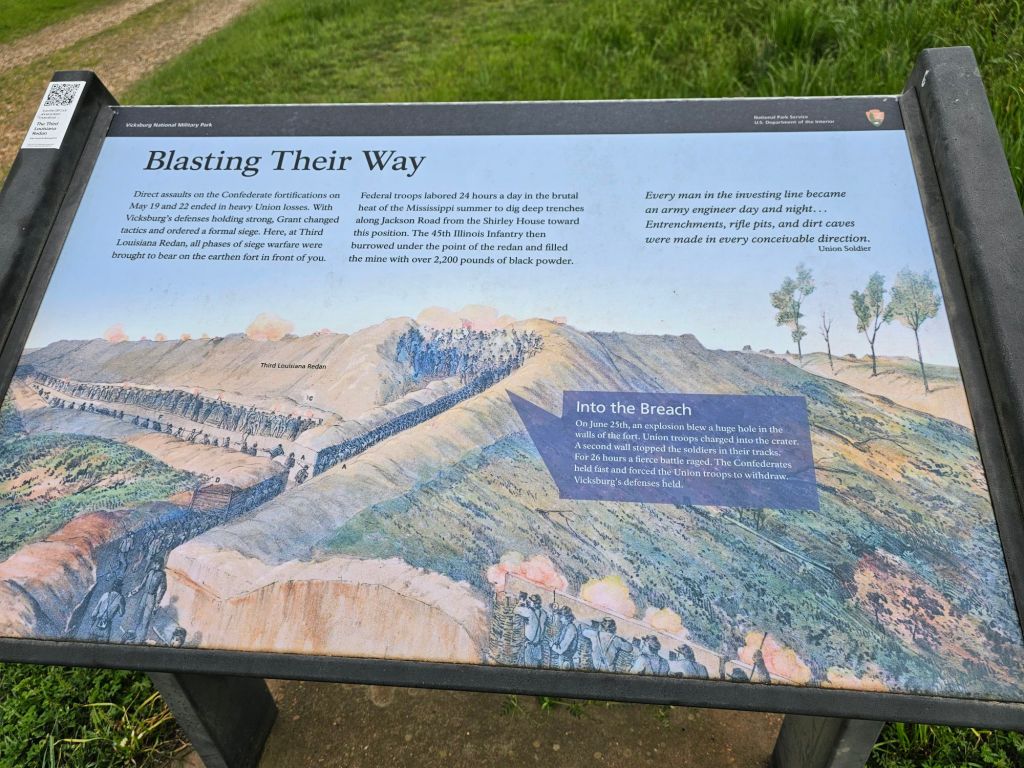
The Siege of Vicksburg took place from May 18 to July 4, 1863. Vicksburg, Mississippi, was a key Confederate stronghold on the Mississippi River, and its capture was a crucial objective for the Union in order to gain control of the river and split the Confederacy in two. The siege lasted for over six weeks and resulted in the surrender of the Confederate forces under General John C. Pemberton on July 4, 1863. The fall of Vicksburg gave the Union control of the Mississippi River and effectively cut off the western Confederate states from the rest of the Confederacy.
The USS CAIRO
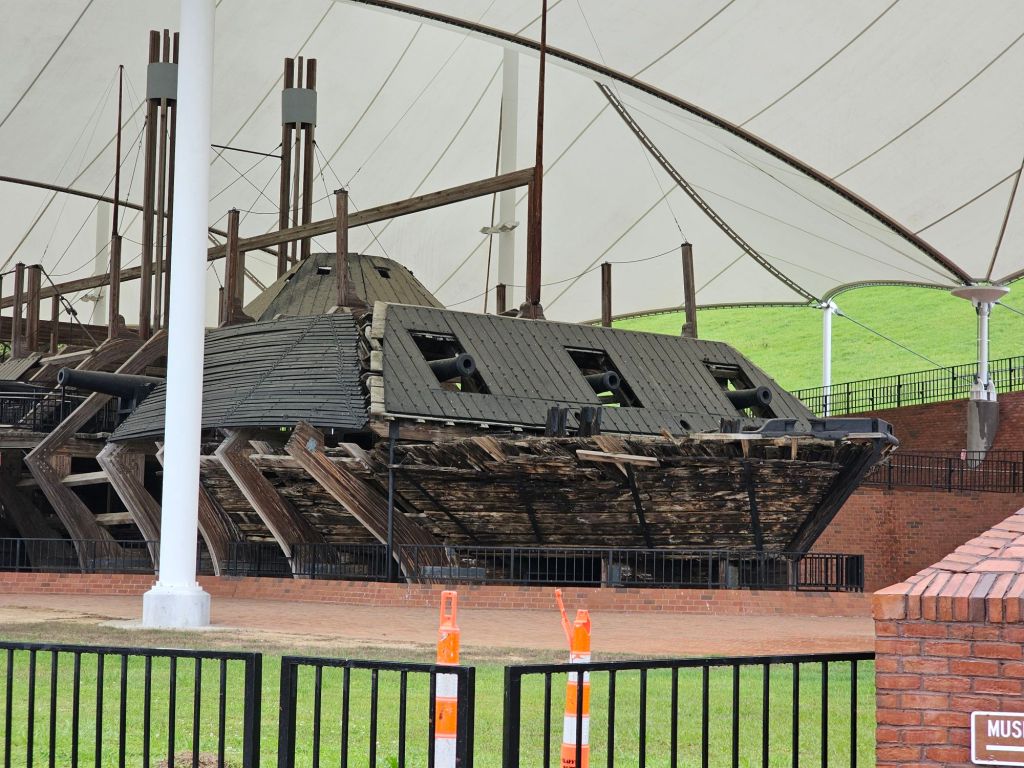
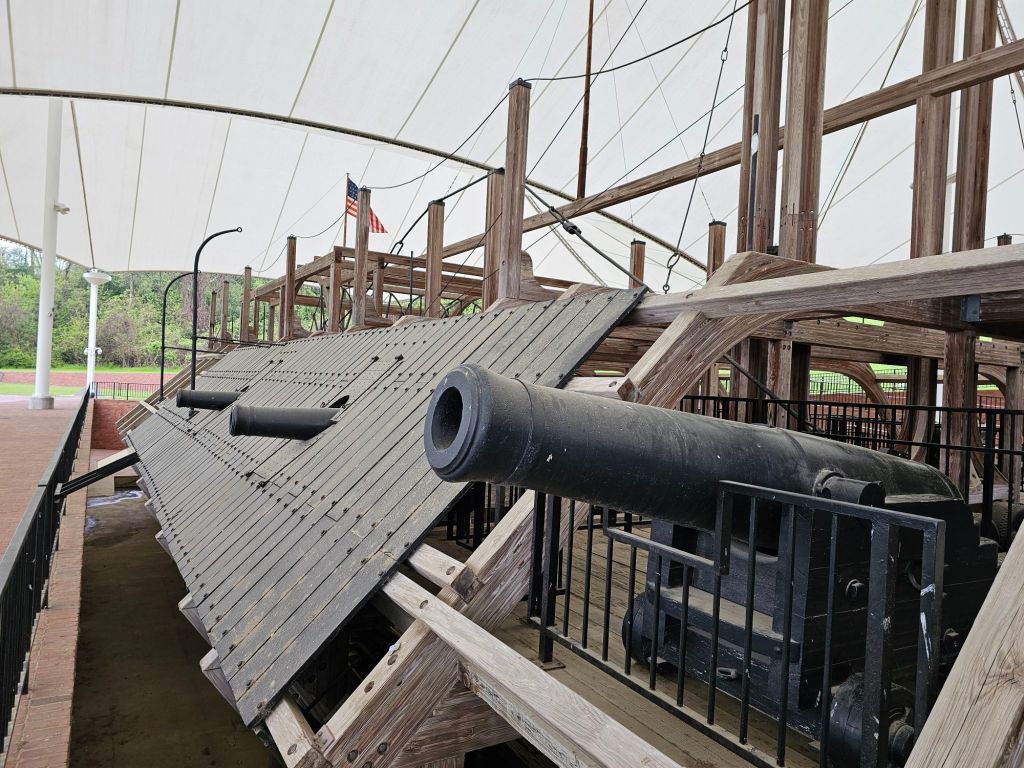
We did the driving tour of the Vicksburg National Military park with a visit to the USS Cairo, one of the 7 Iron clad gunboats in what was called the Brown Water Navy part of the Union Navy’s Western Gunboat Flotilla. She was a paddlewheeler.
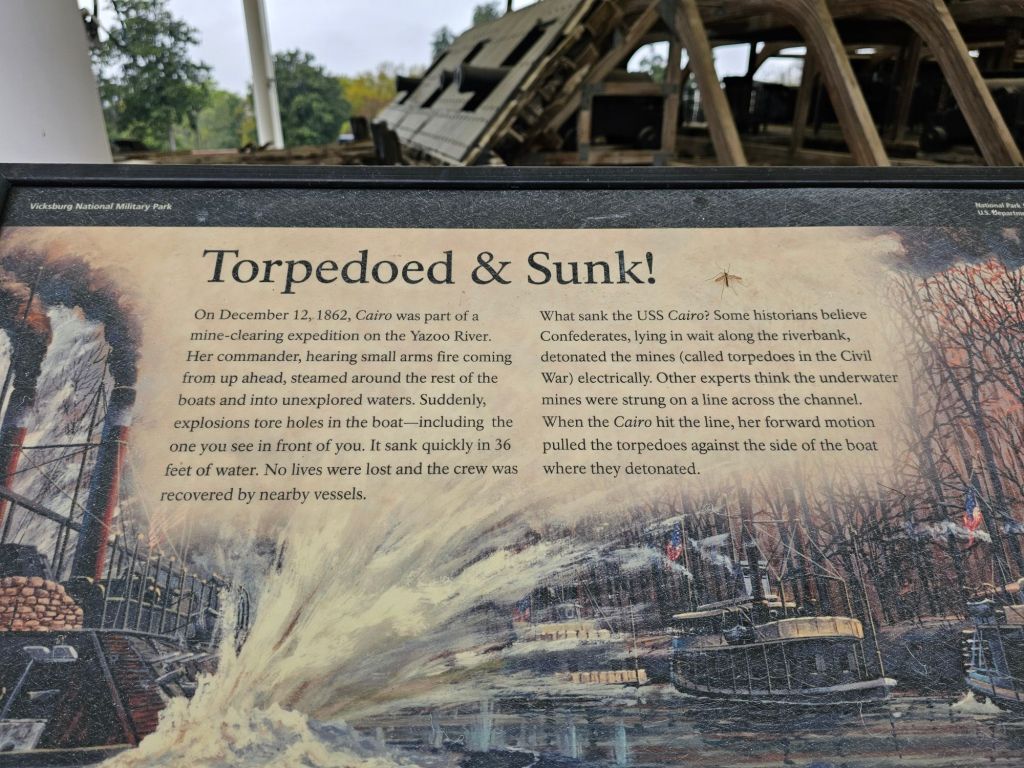
The USS Cairo was armed with a variety of cannons and was protected by iron armor, making it a formidable warship for its time. However, despite its advanced technology, the USS Cairo was sunk by a Confederate mine (then known as a “torpedo”) in the Yazoo River in December 1862. The wreck of the USS Cairo was discovered in 1956 and later raised from the river in 1964.
The Importance of the Navy in the Civil War
The Navy played a crucial role during the American Civil War in the 1860s. The Union Navy’s blockade of the Southern ports was a key strategy in isolating the Confederate states and preventing them from trading with European powers for weapons and supplies. This blockade severely impacted the Confederacy’s ability to sustain its war effort.
Naval battles also took place during the Civil War, such as the famous Battle of Hampton Roads in 1862 between the ironclad warships USS Monitor and CSS Virginia. These battles helped shape the future of naval warfare by demonstrating the effectiveness of ironclad ships over traditional wooden vessels.
Furthermore, the Navy facilitated key operations along the Mississippi River, splitting the Confederacy in two and enabling Union forces to penetrate deep into the South. The capture of key ports like New Orleans, Mobile, and Vicksburg gave the Union Navy control over crucial waterways, further weakening the Confederate war effort.
In conclusion, the Navy’s blockade, battles, and strategic operations were instrumental in securing Union victory in the Civil War by disrupting Confederate supply lines, controlling key waterways, and supporting Union land operations.
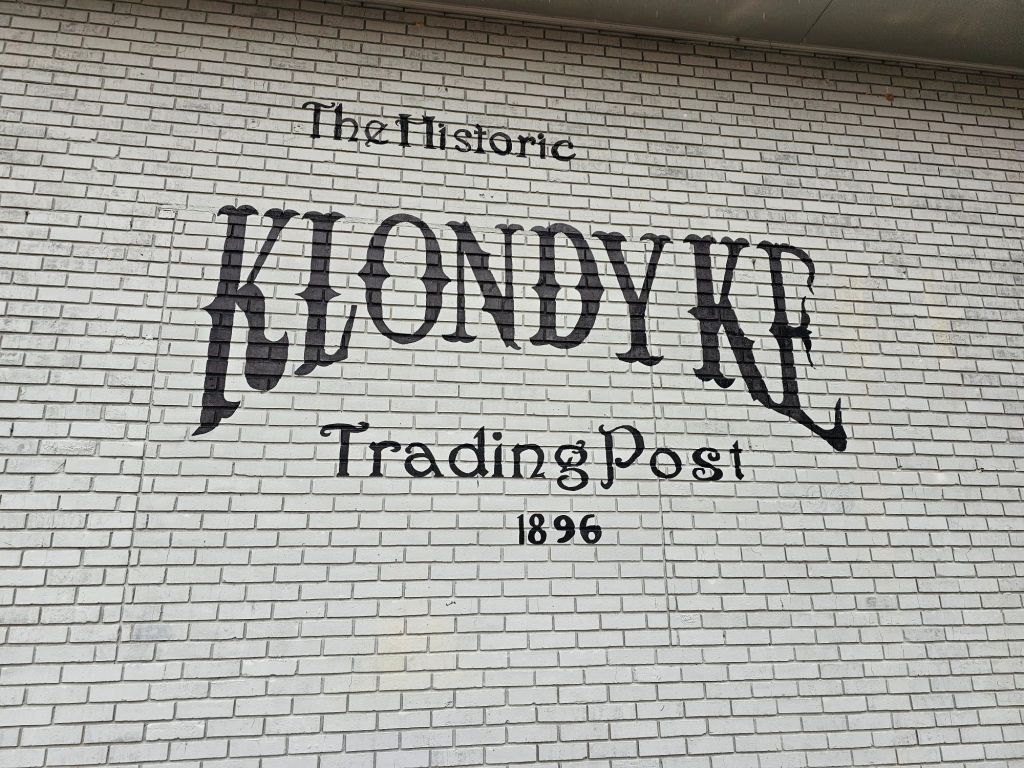
We had a late southern comfort food lunch at a funky spot called the Klondike Trading post housed in an old gas station in Vicksburg then headed south to our campsite for the night at Natchez State Park.
Now I am glad we have the Starlink because there is no network in the area at all!
It’s been raining on and off all day. A good day for a drive through an historical site.
 Louise and Brian McLeod Travel Blog
You must be logged in to post a comment.