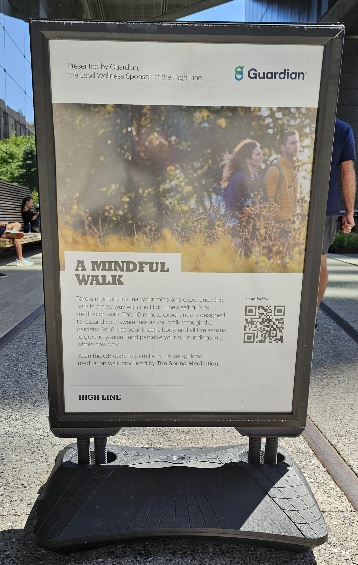
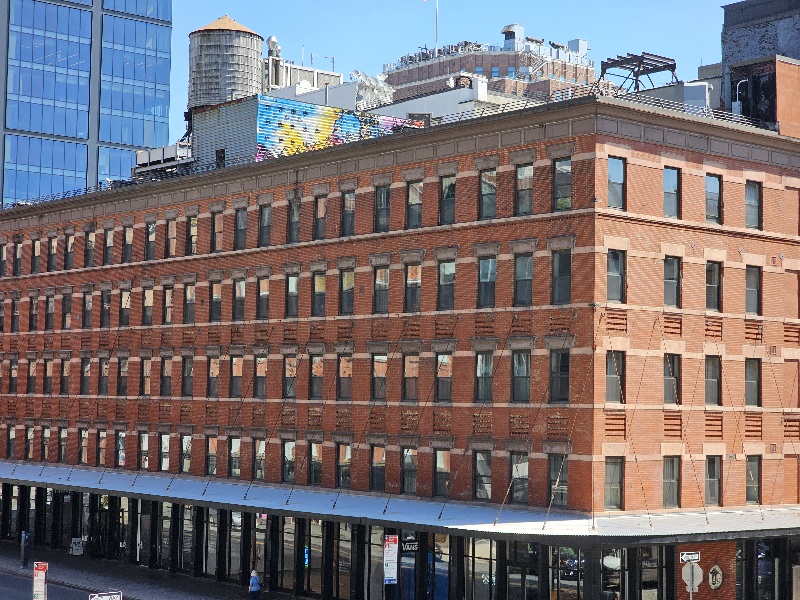
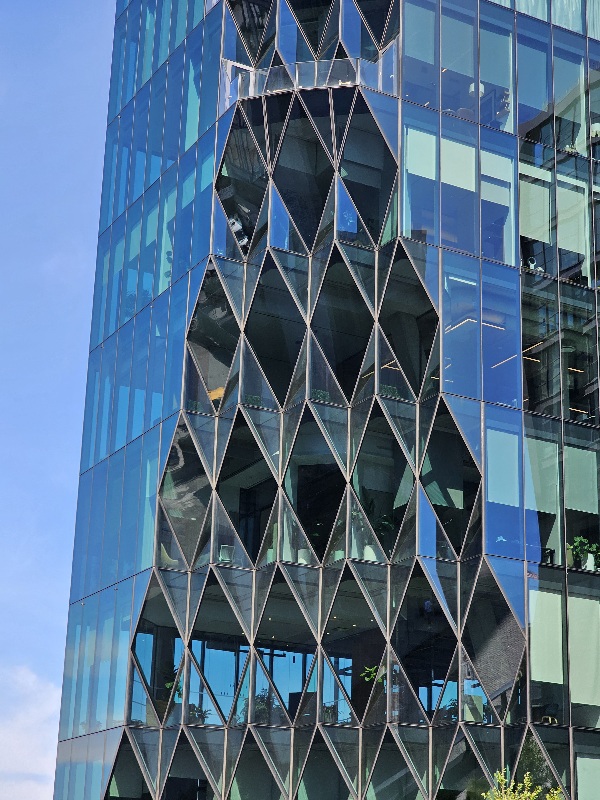
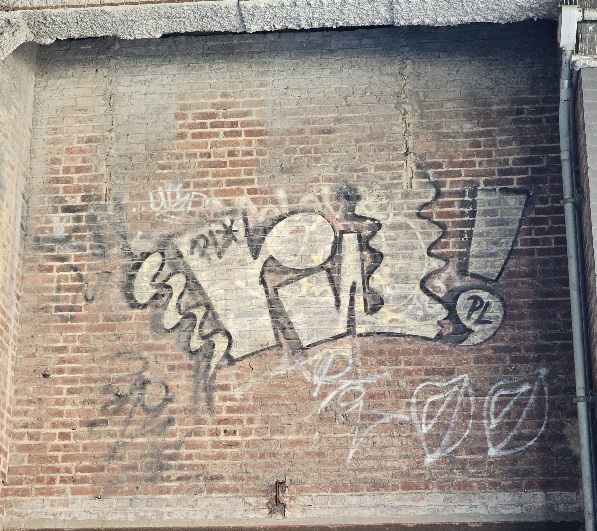
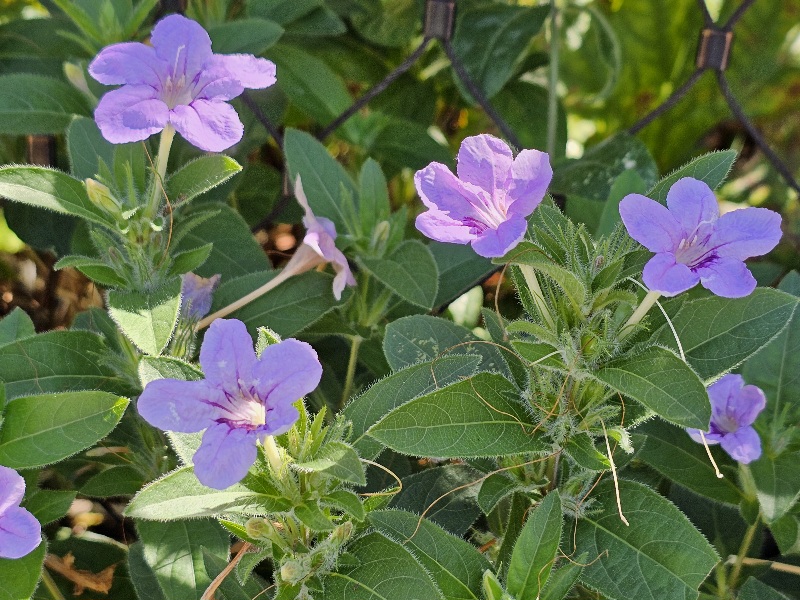
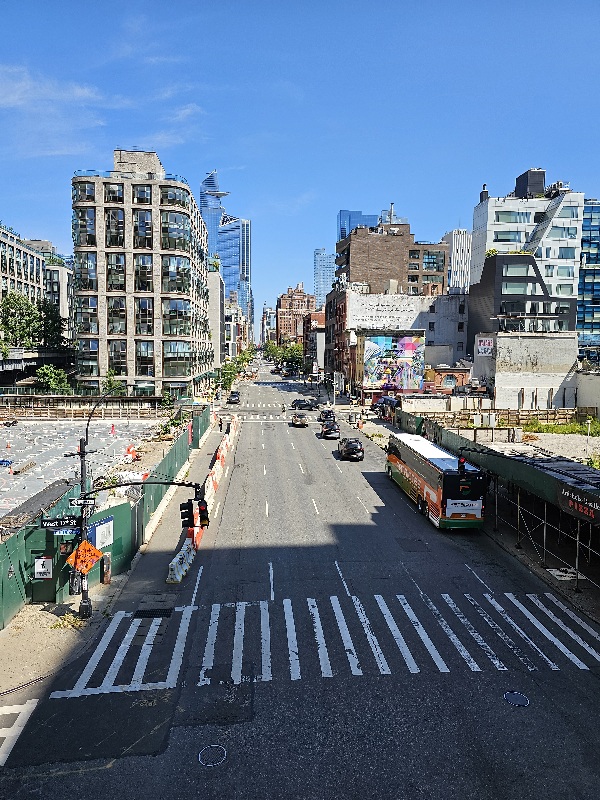
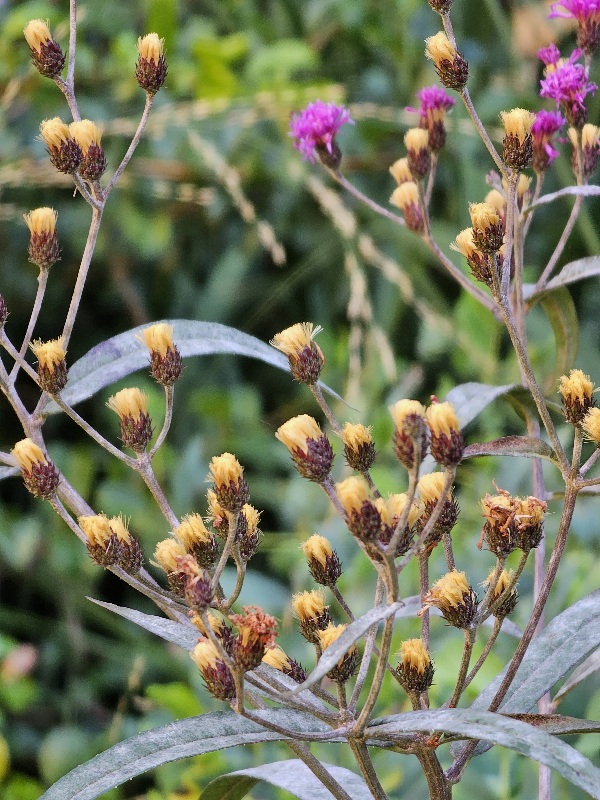
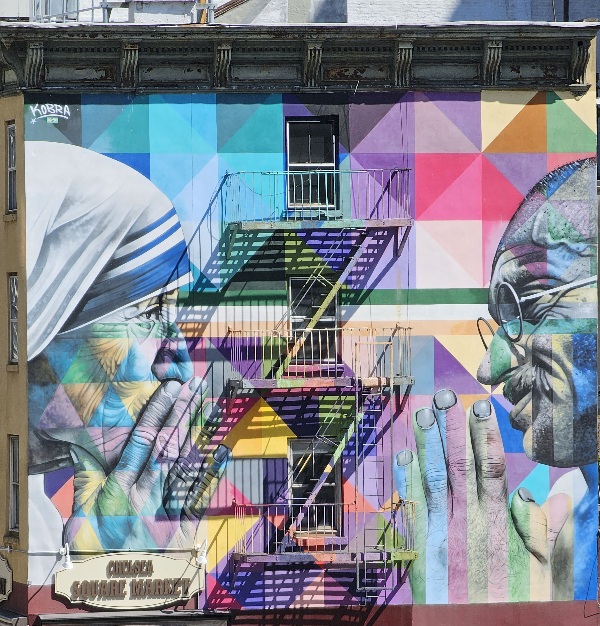
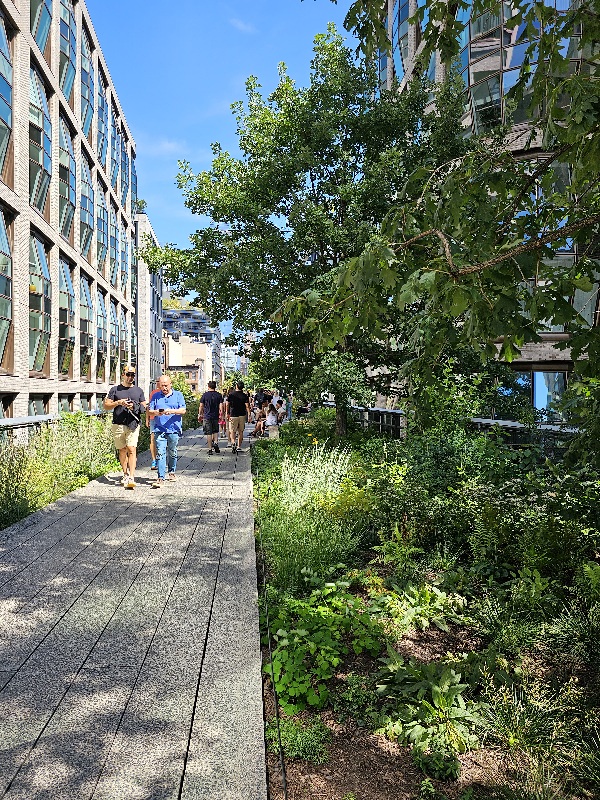
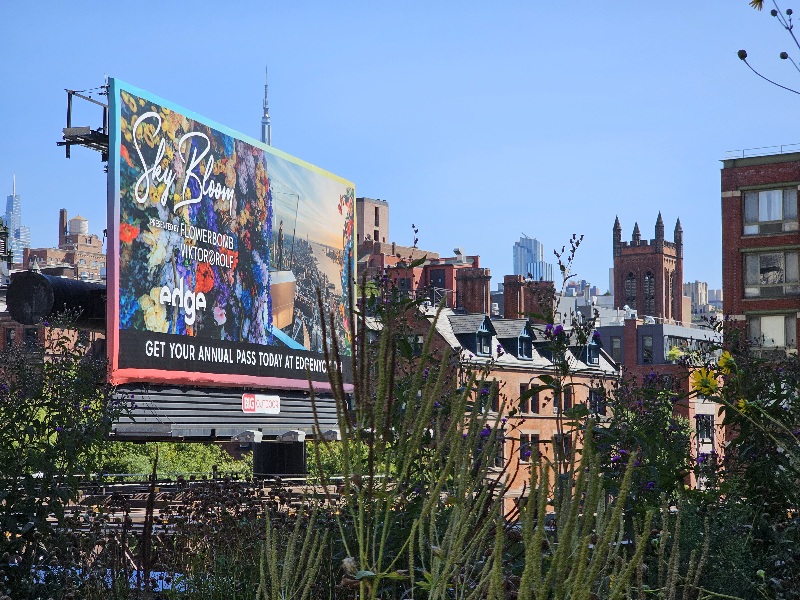
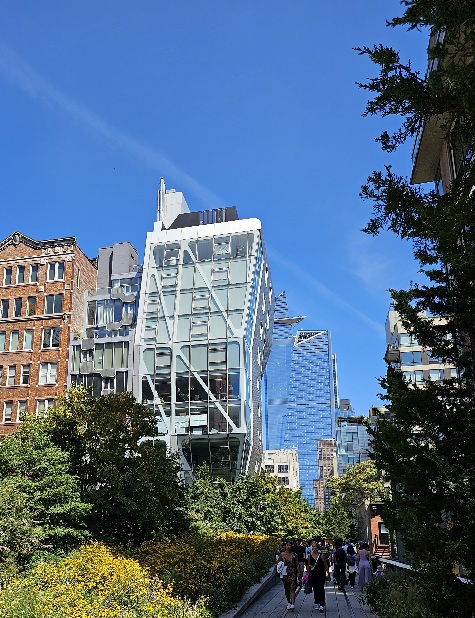
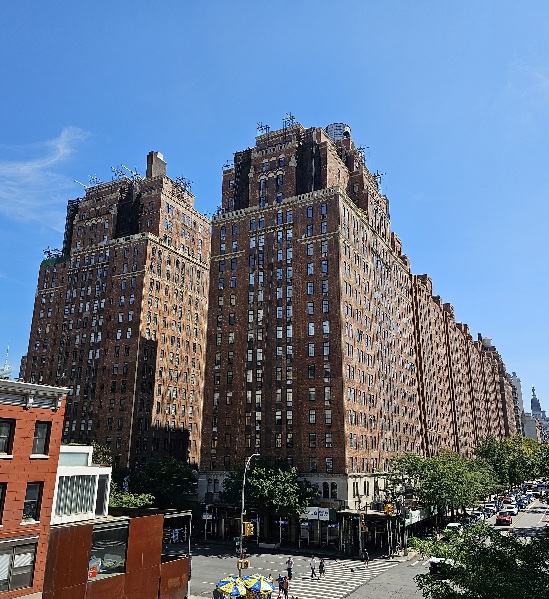
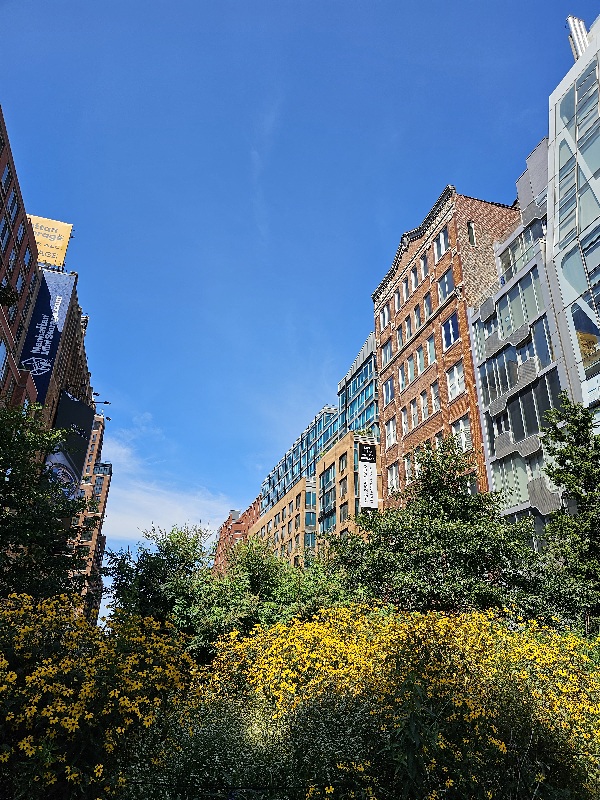
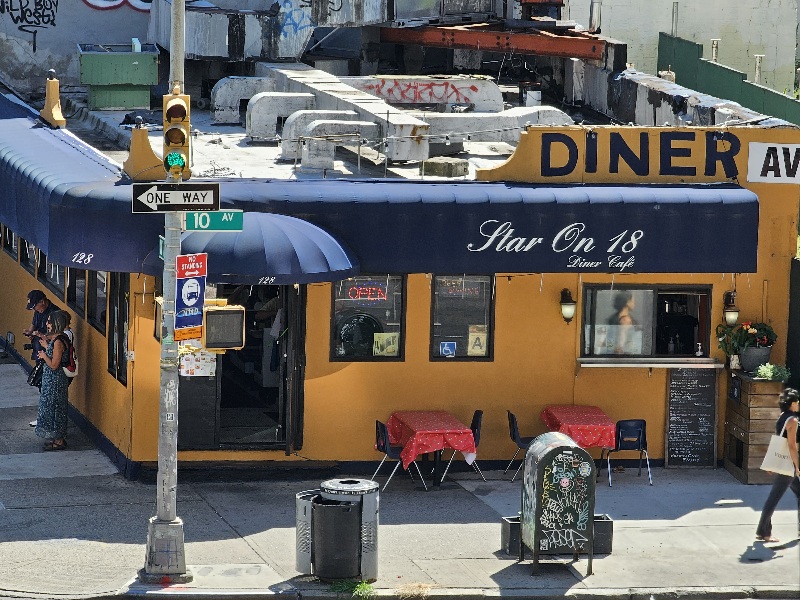
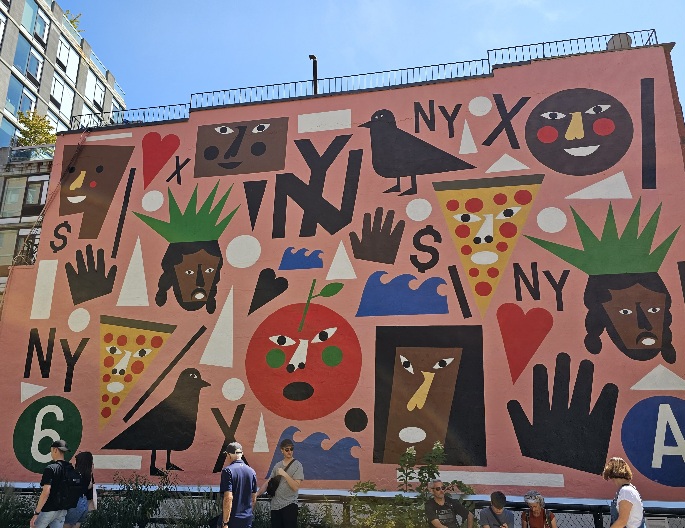
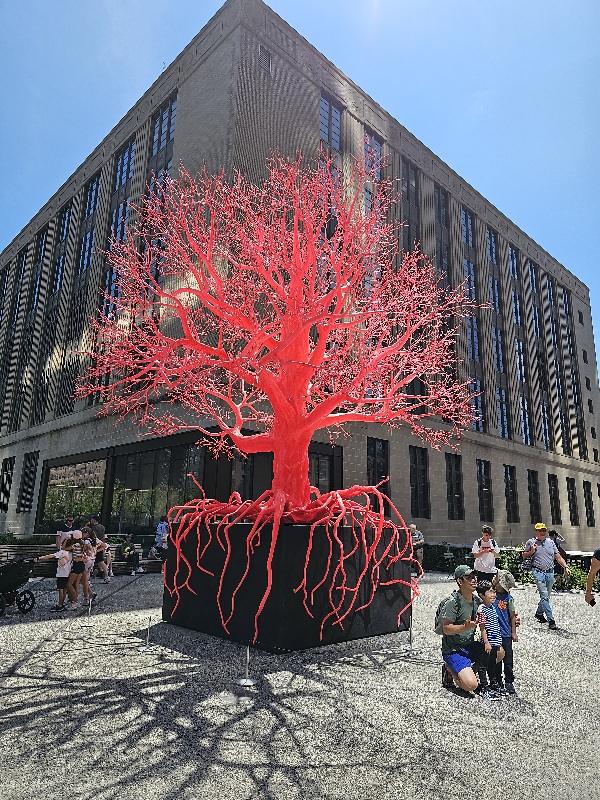
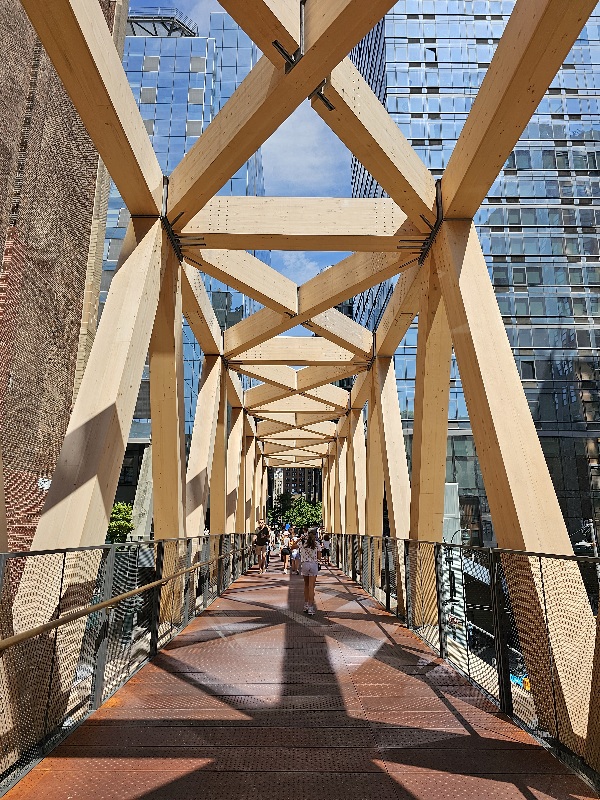
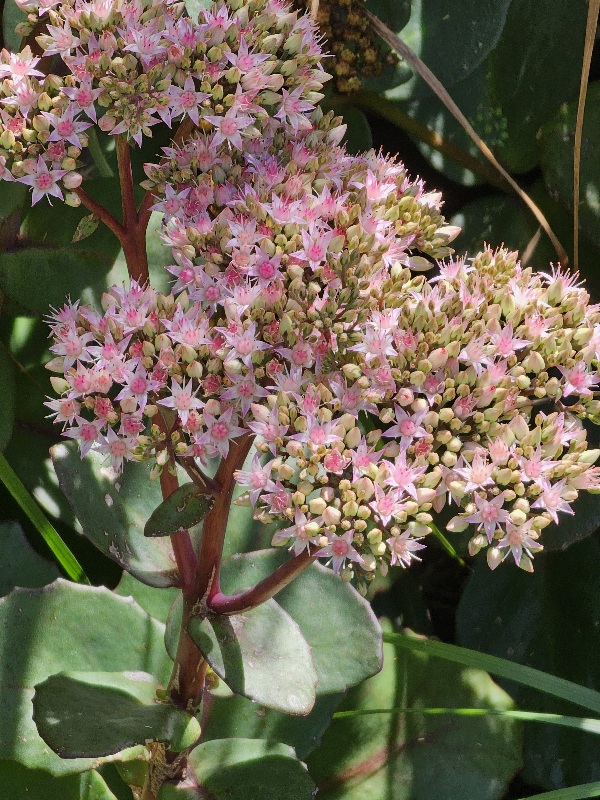
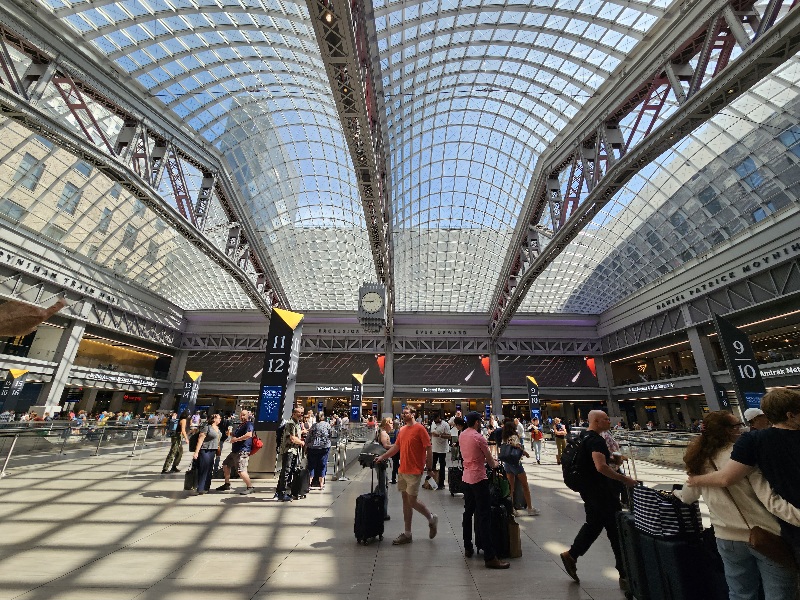
The following photos are my personal reflections of a beautiful day in NYC at the end of August 2023: the gardens, the art, the buildings and architecture, wall murals, graffiti – all visible while walking the trail along the elevated railroad that constitutes the Highline starting from 12th Street at the Whitney Museum running north along 10th Avenue to Hudson Yards at 34th Street, about a mile and a half (20 NYC blocks = 1 mile).
The Highline was featured in Amor Towles, The Lincoln Highway.
HISTORY (as taken from the Highline website)
The High Line was once destined for demolition. Luckily, the community rallied together to repurpose it instead, creating a park for everyone to enjoy.
Mid-1800s
Freight trains on street-level tracks, run by New York Central Railroad, delivered food to lower Manhattan, but created dangerous conditions for pedestrians; 10th Avenue became known as “Death Avenue.” By 1910, more than 540 people had been killed by trains.
1920s
In response to the mounting deaths, the railroad hired men on horses to protect pedestrians: Until their final ride in 1941, the “West Side Cowboys” patrolled 10th Avenue, waving red flags to warn of oncoming trains.
1924
The West Side Improvement project first began when the city’s Transit Commission ordered the removal of street-level crossings; this later led to a plan to remove tracks from the streets and create an elevated rail line.
1933
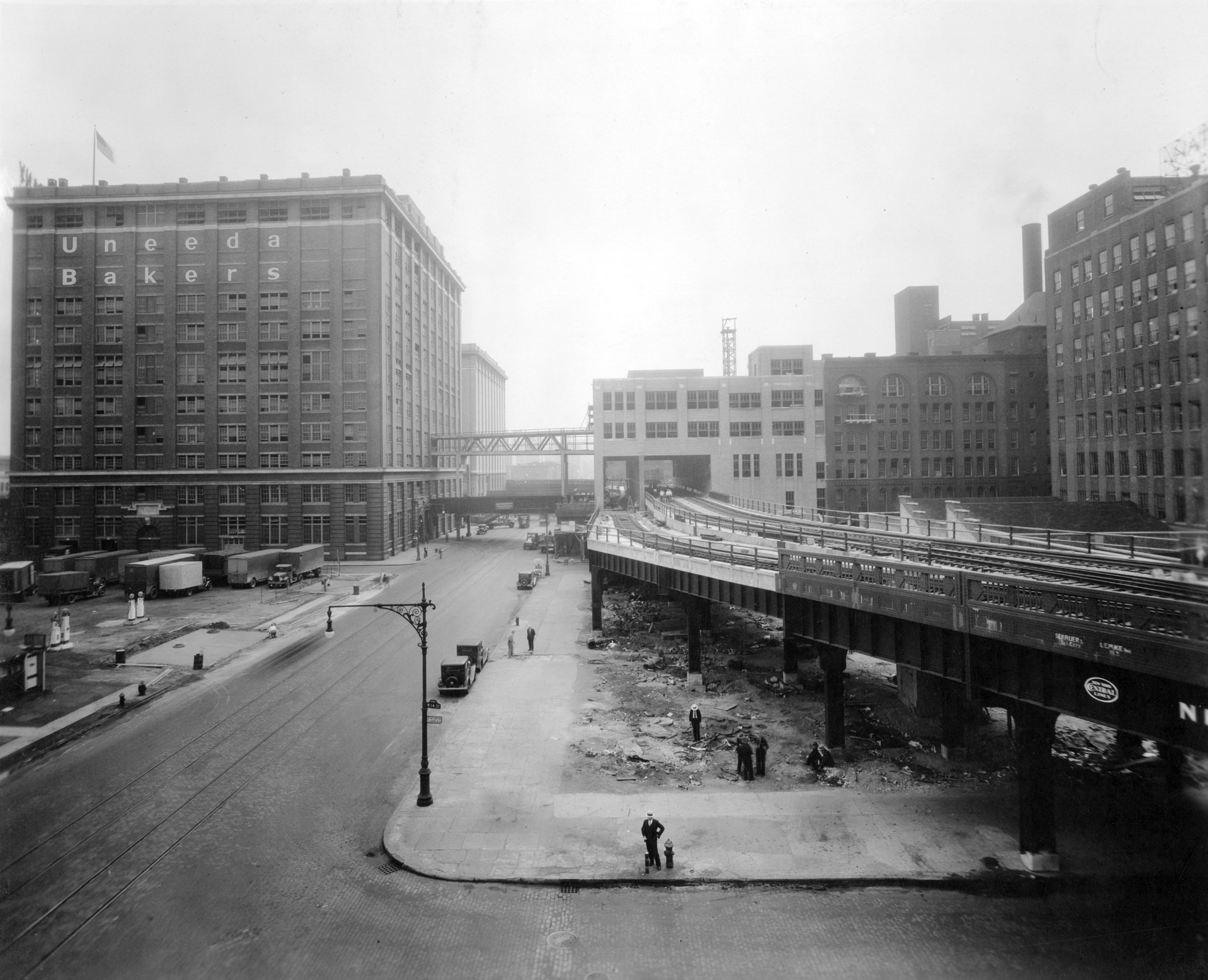
The first train ran on the High Line—which was then called the “West Side Elevated Line.” The line was fully operational by 1934, transporting millions of tons of meat, dairy, and produce. The lines cut directly through some buildings, creating easy access for factories like the National Biscuit Company (aka Nabisco), which is now the home of Chelsea Market.
1960s – 80s
Train use dwindled due to the rise in trucking. The southernmost section of the High Line, from Spring to Bank streets, was demolished in the 60s. The decline continued through the 70s, with all traffic stopped by the 80s. Calls for total demolition of the structure soon followed.
1983
With the structure unused, the first roots of the idea to use the High Line for other purposes began to grow. Chelsea resident Peter Obletz formed The West Side Rail Line Development Foundation, seeking to preserve the structure. In the same year, Congress passed the Trail System Act, allowing people to circumvent complicated land rights issues in order to transform old rail lines into recreational areas.
1983 – 1999
The High Line’s public prospects waxed and waned through the decades. In 1991, the five blocks of the structure from Bank to Gansevoort streets were demolished when a warehouse was converted into an apartment building. In 1999, the High Line owner CSX Transportation opened to proposals for the structure’s reuse.
2004 – 2006
With strong support from then-Mayor Bloomberg and the City Council, a special zoning area was proposed: The West Chelsea Special District facilitated the use of the High Line as a public park
Today
The High Line is now one, continuous, 1.45-mile-long greenway featuring 500+ species of plants and trees. The park is maintained, operated, and programmed by Friends of the High Line in partnership with the NYC Department of Parks & Recreation. On top of public space and gardens, the High Line is home to a diverse suite of public programs, community and teen engagement, and world-class artwork and performances, free and open to all.























 Louise and Brian McLeod Travel Blog
Thank you. What a wonderful tour. Warm regards,
Fay C Weber
LikeLike