We opted to spend a whole day in Victoria because we now had the time to do it. It’s another gorgeous day just perfect for this.
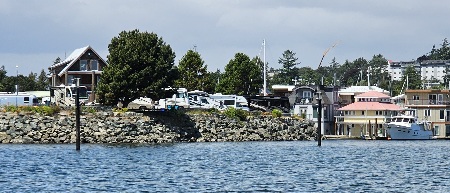
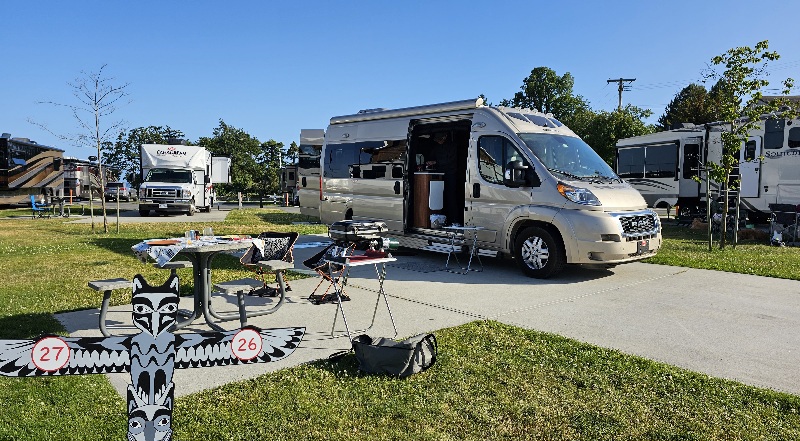
Our campground today is on the harbour in Esquimault (pronounced Eskwymalt) a few miles west and provided a beautiful view of the City in the evening. Our RV park today is the most expensive so far and lots of big American rigs that have been few and far between in other areas we have traveled. We are so close to Washington State that it’s not unusual for Americans to visit here. Also a LOT of rented RVs mainly by Europeans. Tourism is picking up again after COVID-19.
I think just posting photos will give you a general idea of our day, that ended with a beautiful view from our campsite back over the harbor.
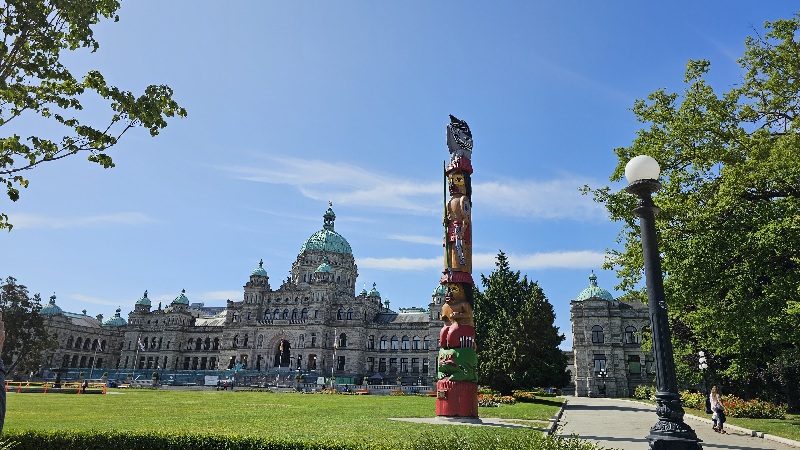

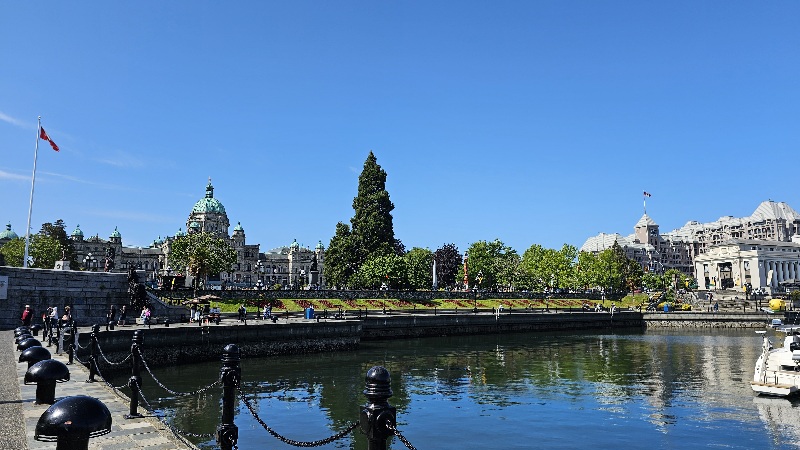
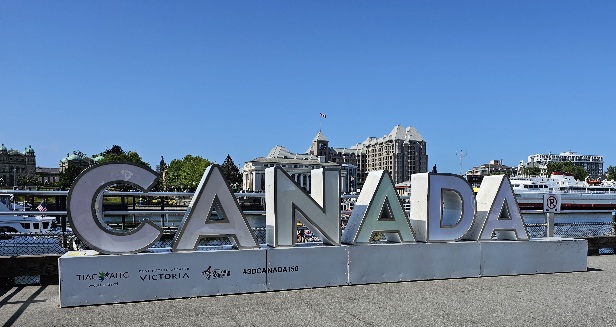
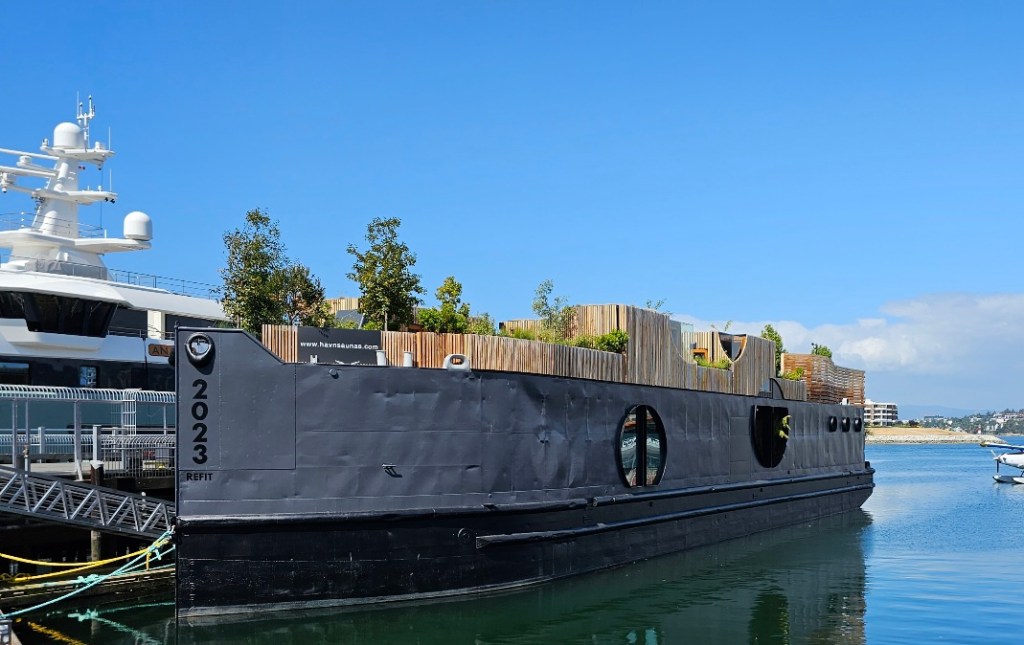
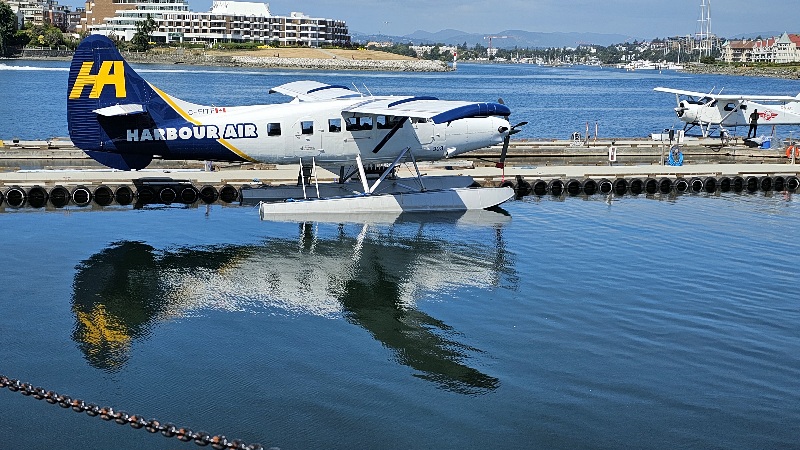
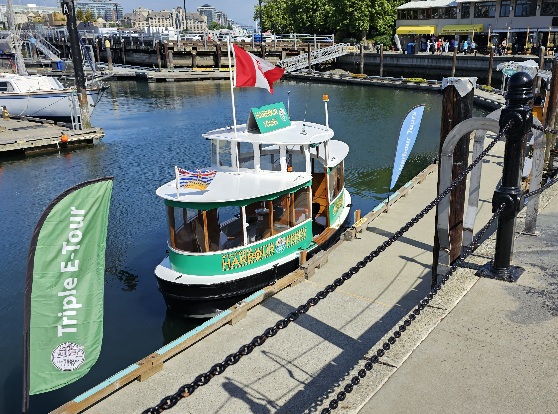


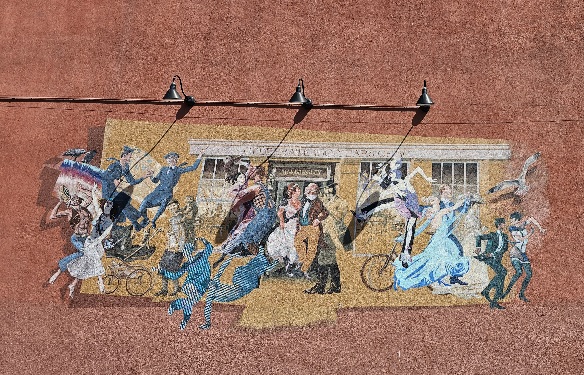




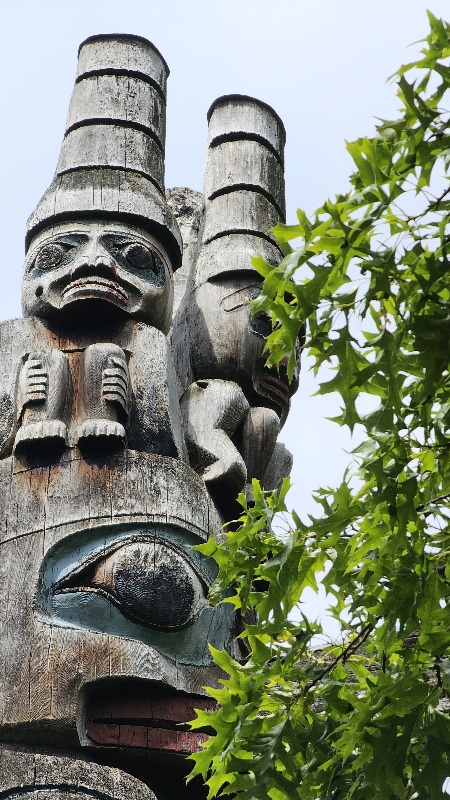

Victoria, capital of British Columbia, sits on the craggy southern end of Vancouver Island. With abundant parkland, it’s known for outdoor activities. The city’s British colonial past shows in its Victorian architecture, including stately Craigdarroch Castle mansion. Butchart Gardens, with 55 acres of vivid floral displays, plus statuary, water features and a carousel, is one of many formal gardens in the city. ( we didn’t do any of that!)
The city has a population of 91,867, and the Greater Victoria area has a population of 397,237. The city of Victoria is the 7th most densely populated city in Canada with 4,405.8 inhabitants per square kilometre.

Named for Queen Victoria, the city is one of the oldest in the Pacific Northwest, with British settlement beginning in 1843. The city has retained a large number of its historic buildings, in particular its two most famous landmarks, the Parliament Buildings (finished in 1897 and home of the Legislative Assembly of British Columbia) and the Empress hotel (opened in 1908). The city’s Chinatown is the second oldest in North America, after San Francisco’s. The region’s Coast Salish First Nations peoples established communities in the area long before European settlement, which had large populations at the time of European exploration.
Known as “the Garden City”, Victoria is an attractive city and a popular tourism destination with a regional technology sector that has risen to be its largest revenue-generating private industry. Victoria is in the top twenty of world cities for quality-of-life, according to Numbeo. A lot of Canadians retire here because of the temperate climate.
The Township of Esquimalt ( where our campsite was located) is the home of the Pacific headquarters of the Royal Canadian Navy.
Greater Victoria is served by three public post secondary educational institutions, listed by student population size below:
- University of Victoria (UVic), with 22,020 undergraduate and graduate students.
- Camosun College, with 20,400 learners on two campuses.
- Royal Roads University (RRU) with 4,748 full-time undergraduate and graduate students.
Victoria was the home of Emily Car, a famous Canadian artist and author Alice Munro.
Prior to the arrival of European navigators in the late 1700s, the Victoria area was home to several communities of Coast Salish peoples, including the Songhees. The Spanish and British took up the exploration of the northwest coast, beginning with the visits of Juan Pérez in 1774, and of James Cook in 1778. Although the Victoria area of the Strait of Juan de Fuca was not explored until 1790, Spanish sailors visited Esquimalt Harbour (just west of Victoria proper) in 1790, 1791, and 1792.
In 1841 James Douglas was charged with the duty of setting up a trading post on the southern tip of Vancouver Island. Upon the recommendation by George Simpson a new more northerly post should be built in case Fort Vancouver fell into American hands (see Oregon boundary dispute). Douglas founded Fort Victoria on the site of present-day Victoria in anticipation of the outcome of the Oregon Treaty in 1846, extending the British North America/United States border along the 49th parallel from the Rockies to the Strait of Georgia.
Erected in 1843 as a Hudson’s Bay Company trading post on a site originally called Camosack meaning “rush of water”. Known briefly as “Fort Albert”, the settlement was renamed Fort Victoria in November 1843, in honour of Queen Victoria.
When news of the discovery of gold on the British Columbia mainland reached San Francisco in 1858, Victoria became the port, supply base, and outfitting centre for miners on their way to the Fraser Canyon gold fields, mushrooming from a population of 300 to over 5000 within a few days.
In the latter half of the 19th century, the Port of Victoria became one of North America’s largest importers of opium, serving the opium trade from Hong Kong and distribution into North America. Opium trade was legal and unregulated until 1865, when the legislature issued licences and levied duties on its import and sale. The opium trade was banned in 1908.
In 1886, with the completion of the Canadian Pacific Railway terminus on Burrard Inlet (in Vancouver), Victoria’s position as the commercial centre of British Columbia was irrevocably lost to the city of Vancouver. The city subsequently began cultivating an image of genteel civility within its natural setting, aided by the impressions of visitors such as Rudyard Kipling, the opening of the popular Butchart Gardens in 1904 and the construction of the Empress Hotel by the Canadian Pacific Railway in 1908.
 Louise and Brian McLeod Travel Blog
You must be logged in to post a comment.