Bird sightings: Redwing blackbirds, terns, pintail ducks, swallows, bald eagle, bufflehead ducks.
We drove across the rest of Manitoba for about 2 hours this morning passing farmlands, marshlands and, wetlands still following the fur trade it seems at times.
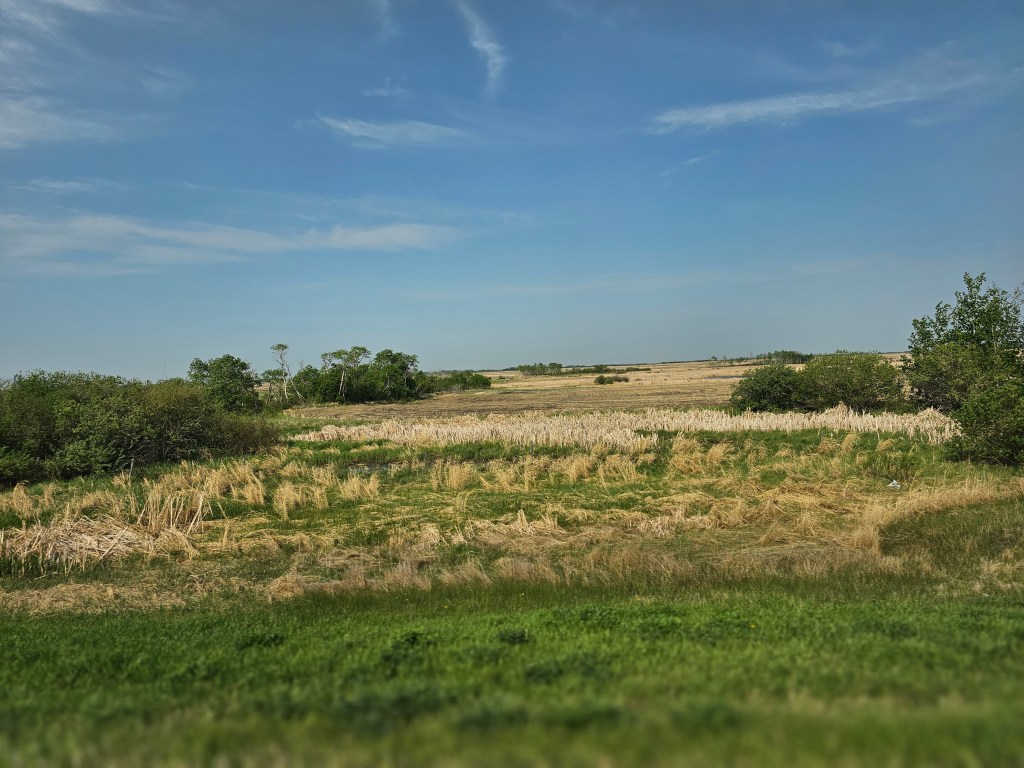
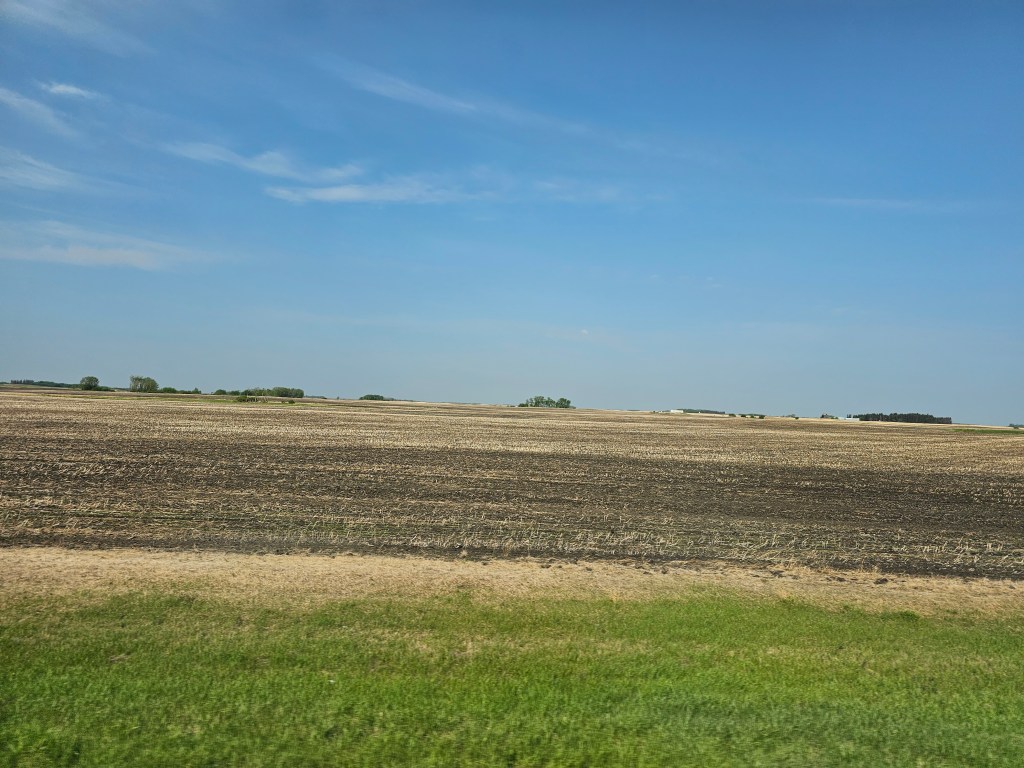
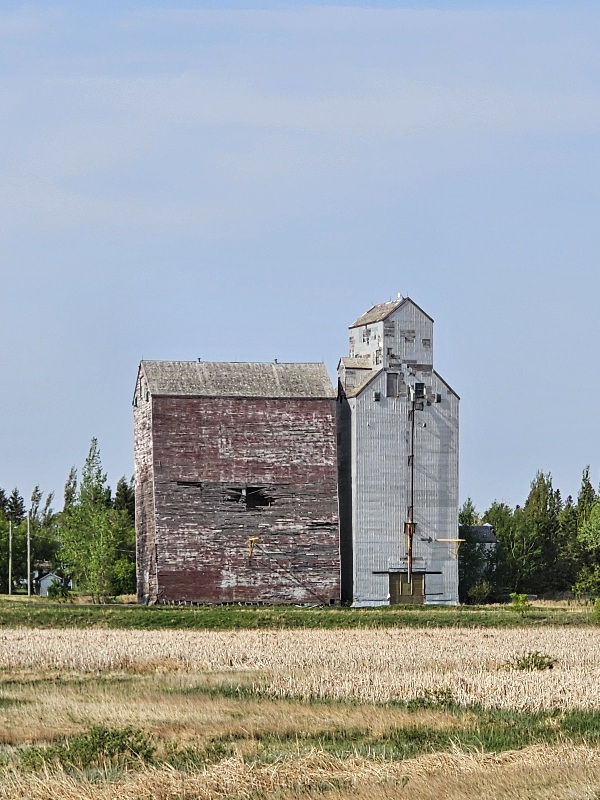
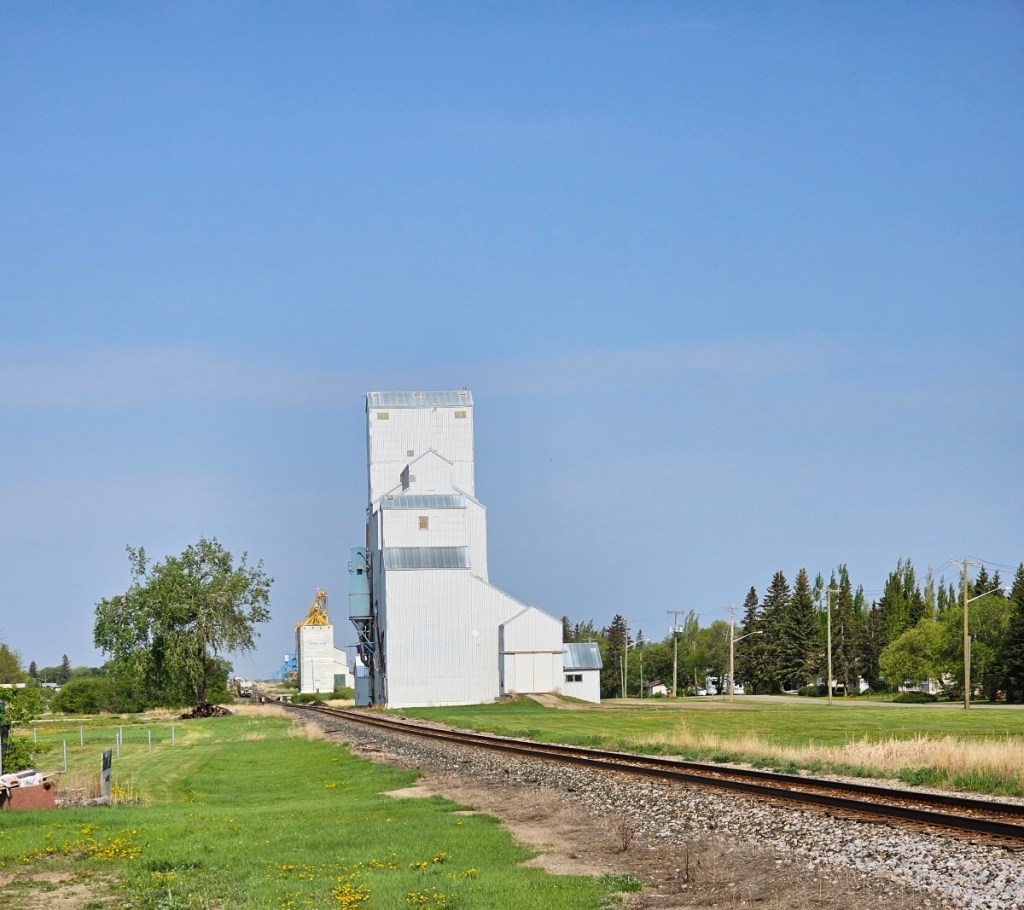
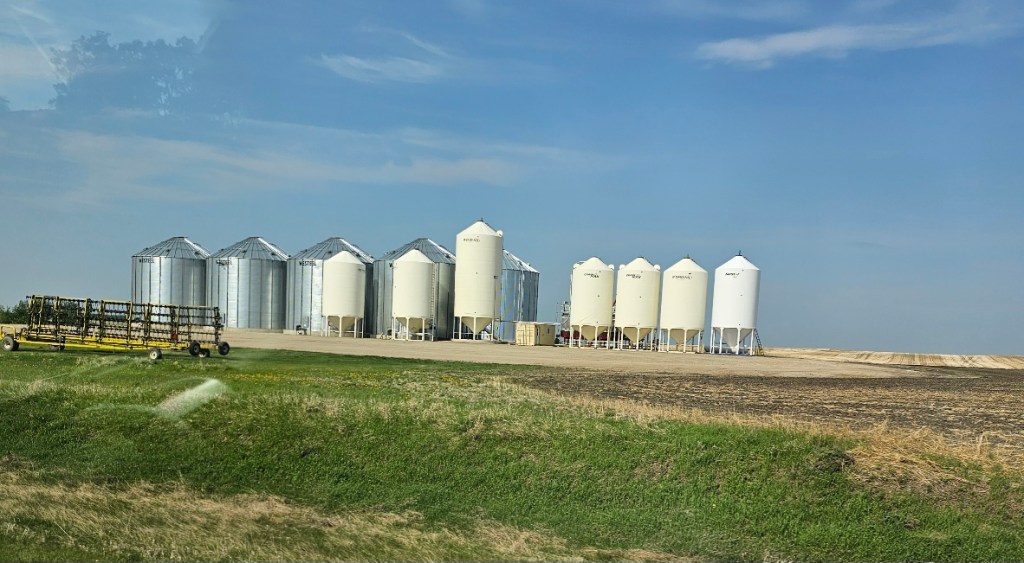
We unexpectedly came down into a broad valley where the Assiniboine (remember the Assiniboine River in Winnipeg?) and Qu’appelle rivers meet at St. Lazare, formerly Fort Ellice, another important Hudsons Bay post.
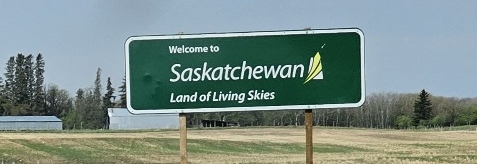
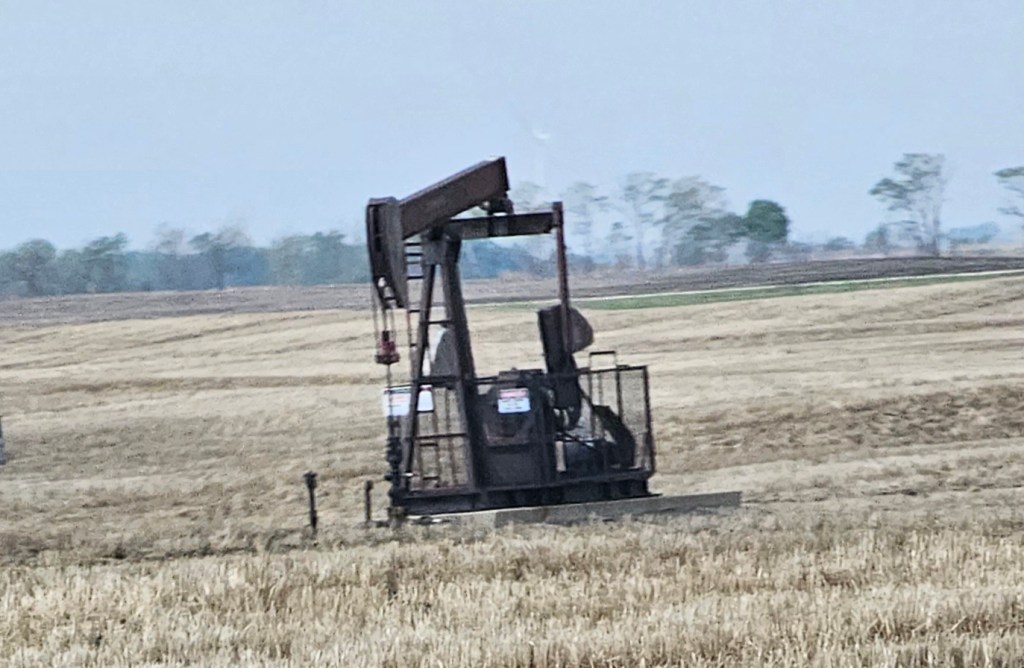
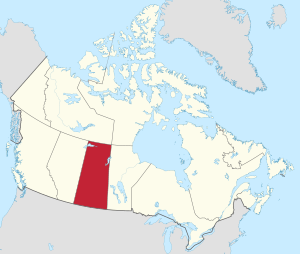
Saskatchewan is a Canadian province that borders the United States to the south, Manitoba to the east and Alberta to the west. Grassland covers its southern plains, and to the north are the rugged rock of the Canadian Shield plateau, coniferous forests, rivers and lakes. Regina is the provincial capital.
Saskatchewan is the only province without a natural border. As its borders largely follow the geographic coordinates of longitude and latitude, the province is a rectangular shape with four sides.
Saskatchewan receives more hours of sunshine than any other Canadian province. The province lies far from any significant body of water. This fact, combined with its northerly latitude, gives it a warm summer, corresponding to its humid continental climate in the central and most of the eastern parts of the province.
The province is the world’s largest exporter of peas, lentils, durum wheat, mustard seed, canola, flaxseed and oats. Saskatchewan is recognized worldwide for the quality of its crops, and the province is also the second largest cattle-producing province in Canada.
Known as the birthplace of Medicare, Saskatchewan’s residents enjoy free medical care and excellent health care services. Residents primarily live in the southern prairie half of the province, while the northern half is mostly forested and sparsely populated. Roughly half live in the province’s largest city Saskatoon or the provincial capital Regina.
It became a province in 1905, carved out from the vast North-West Territories, which had until then included most of the Canadian Prairies. In the early 20th century, the province became known as a stronghold for Canadian social democracy; North America’s first social-democratic government was elected in 1944. The province’s economy is based on agriculture, mining, and energy.
First Nations: In 1992, the federal and provincial governments signed a historic land claim agreement with First Nations in Saskatchewan. The First Nations received compensation which they could use to buy land on the open market for the bands. They have acquired about 761,000 acres; 1,189 sq mi of new reserve lands under this process. Some First Nations have used their settlement to invest in urban areas, including Regina and Saskatoon.
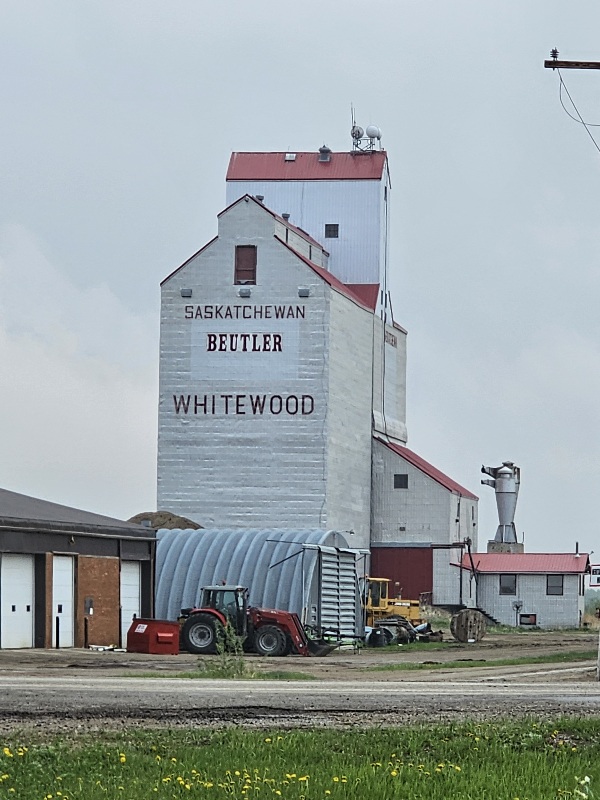
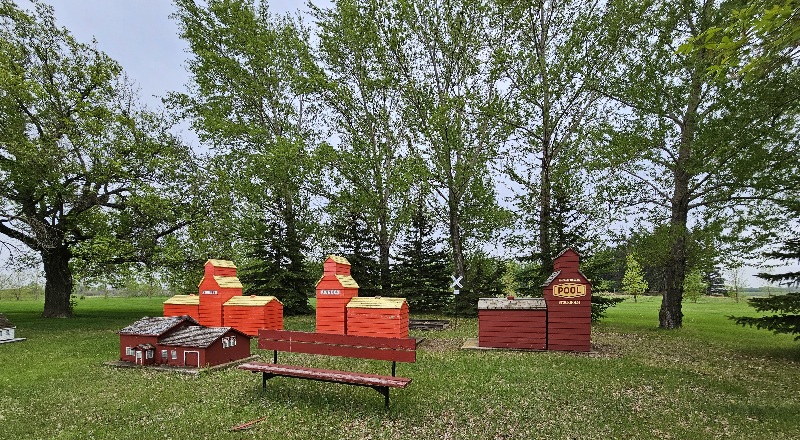
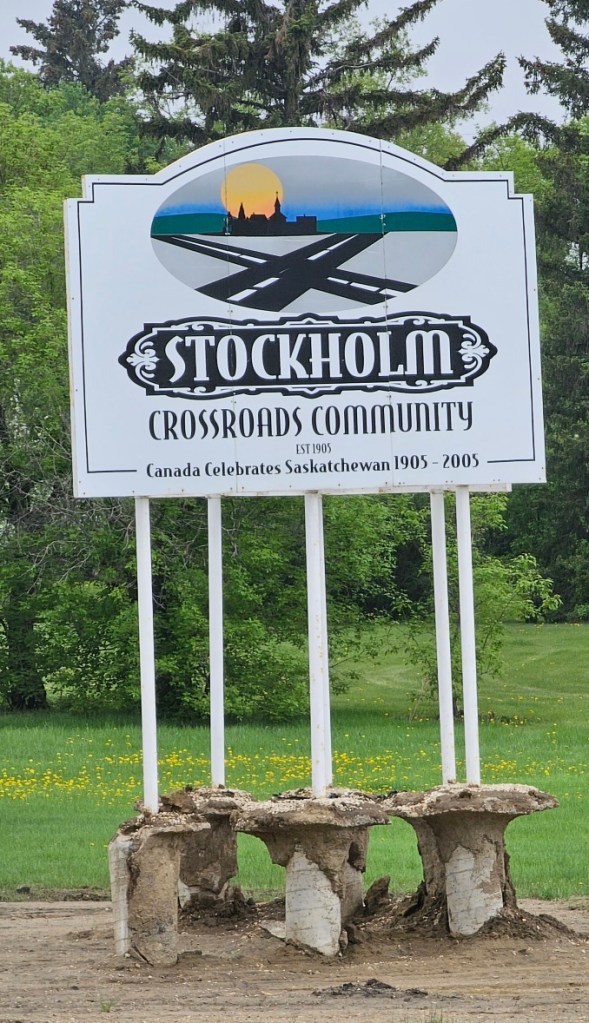
Whitewood and Stockholm, SK
We spent the rest of the day exploring two small communities in the southeastern corner of the province, Whitewood and Stockholm. These two towns are of major personal interest to me. My paternal grandfather, along with a brother and 2 cousins, came here in the early 1900s from the UK to Whitewood. At some point around the same time, the parents of my paternal grandmother migrated here from South western Ontario, probably to homestead but I dont know for sure. The two met and married here and raised a family, a large one… 9 children in all. My grandfather was a well educated man (as were his 2 sisters who also arrived here at a later date) from a fairly wealthy family in the north of England. He had studied to be an apothecary and a doctor in England but the family trade was watch making. My grandfather was also a bit of an inventor and a writer.
There was a family story ( have no idea how true this is) that at the time my grandfather came here, it was the custom for well to do families in the UK to send their sons to this part of the world for a few years as part of their growth experience and that this was why my grandfather originally came here. He definitely wasn’t a farmer or someone used to hard labor. In fact there was a community of aristocrats from France just 8 miles from Whitewood. Family fortunes and their decline being what they were at the time and the lure of a homestead (see below), the two young men married and stayed here plying their trade of making and repairing watches. My grandfather also wrote articles for the local newspapers. According to my father, life was tough!
Dominion Lands Policy for settlement
*—Homesteads granted to settlers were 160 acres of land, and required a $10.00 fee for the Letters Patent. Males 18 years or older could apply or a male or female head of the family. Before receiving title to the land, they had to file evidence that they were British subjects by birth or naturalization.
Proving the land
*—Settlers had to live on their homesteads for a three year period, clearing and farming some of the land and making improvements. They had an option to purchase the quarter section next to theirs as a pre-emption, by paying the market price of the time which was about $2.00 acre. Even numbered sections were reserved for homesteads and pre-emptions, while odd-numbered sections were sold.
*–Upon recieving the Dominion Land Grant patent for a quarter section, the homesteader could apply for a pre-emption. This entitled him to purchase an additional 80 acres adjacent to the homestead at the rate of one dollar per acre.
In 1918 my grandfather, now with a wife and several children, moved to Stockholm, a few miles away, continued his watch repair business and had a few more children. He died in 1950 and is buried in the Stockholm Village Cemetary.
One of my uncles and his wife are buried nearby in the New Stockholm Lutheran Church cemetary that was built by the Swedes who first settled in this area.
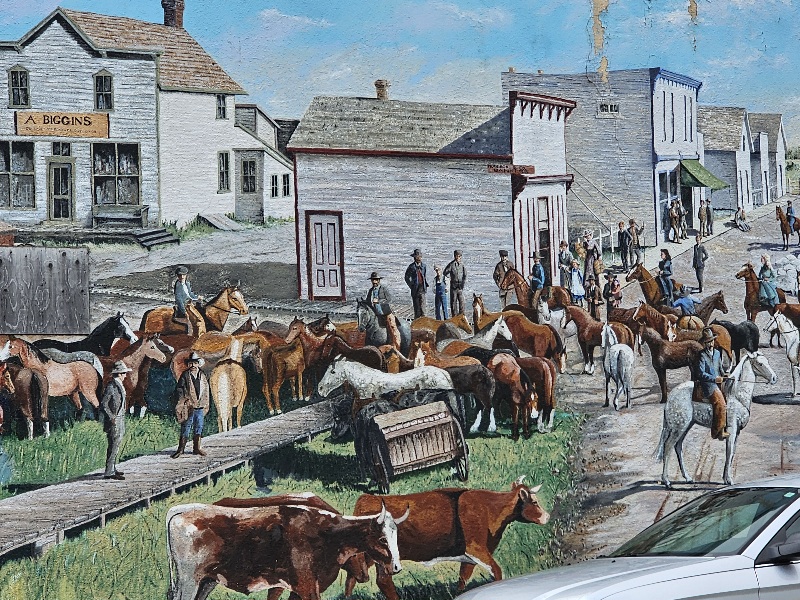
Whitewood, SK

Where Whitewood now stands was once grasslands, travelled only by nomadic First Nations people, white traders, trappers and buffalo hunters.
The Hudson’s Bay Company trading post was established about the fall of 1891 to approximately the spring of 1906. With the settlement of the west and the coming of the Trans-Continental railway, Whitewood quickly grew into a thriving community. The CPR naming was derived from the White Poplar (Populus alba), a deciduous tree with white bark, which was plentiful in the area.

One of the most unusual and glamorous settlements was that of the French Counts of St Hubert, Saskatchewan just a few miles from Whitewood. Headed by the educated Dr Rudolph Meyer, this group of Belgian and French aristocrats aimed to build a life on the Canadian prairies in the style of the French nobility in Europe. Annually the Counts booked the Whitewood Commercial Hotel for the Frenchman’s Ball. “Many pretty dresses of the style of the late eighties were in evidence, souvenirs perhaps of better days across the sea. The vivacious Frenchwomen of gentle birth and breeding in fashionable décolleté gowns and jeweled neck and arms lent an air of distinction in spite of the incongruity of the crude setting”. Remains of this settlement still exist and many residents of the community are proud of their connection to the Most Romantic Settlement in the West.
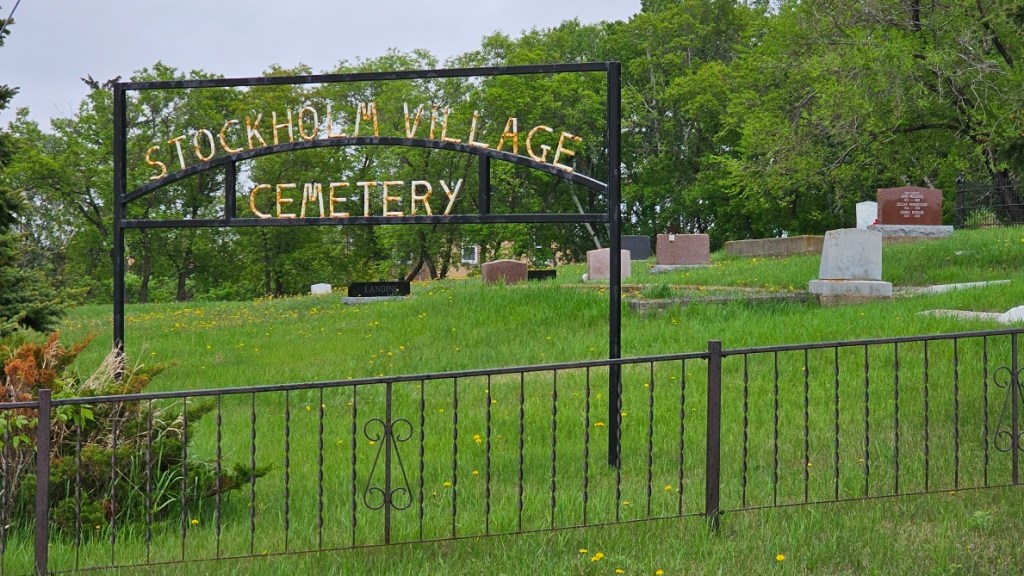
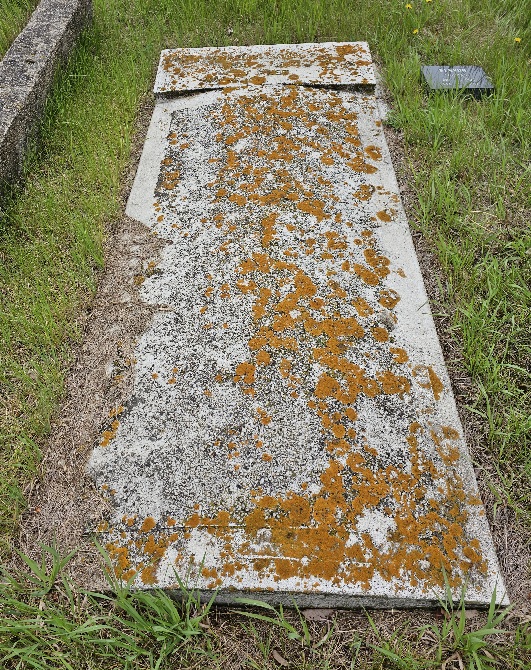
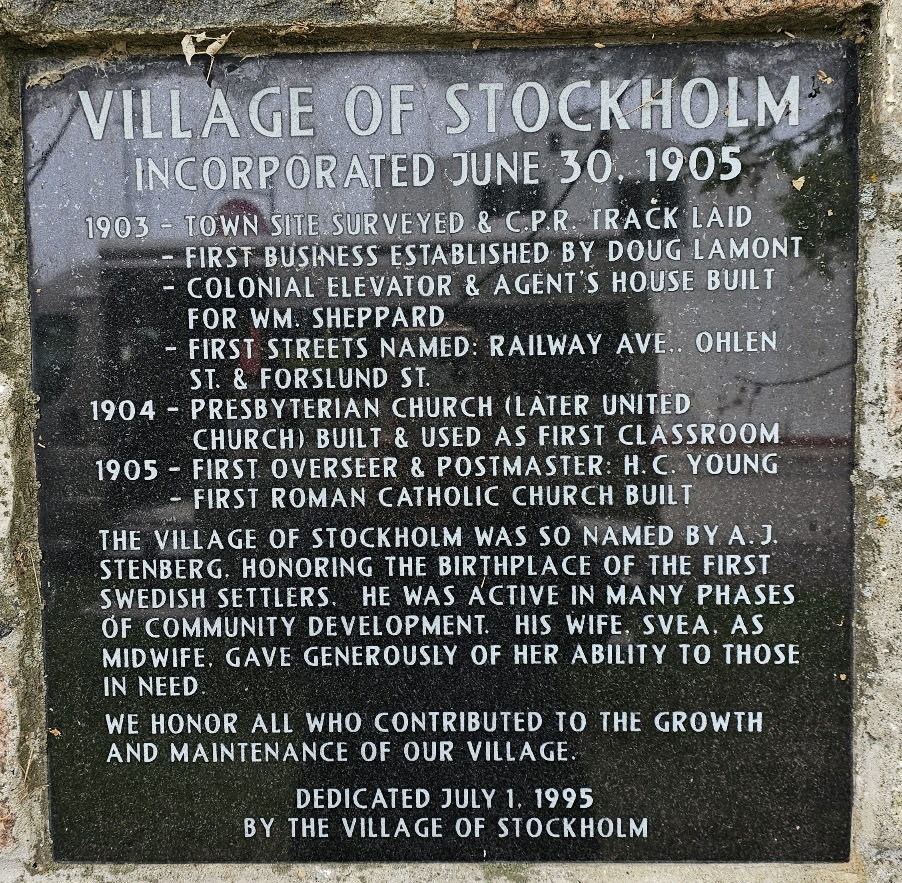
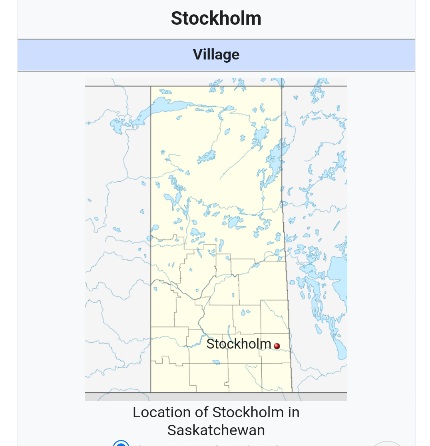
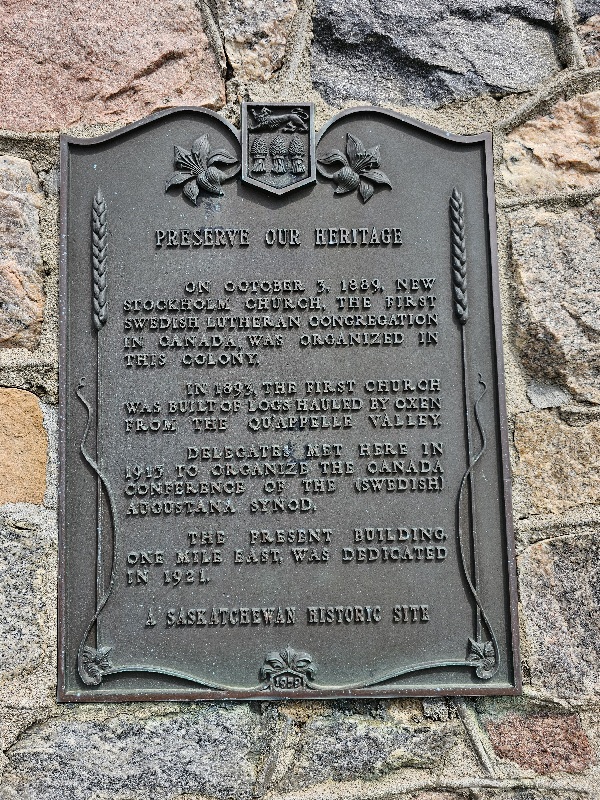
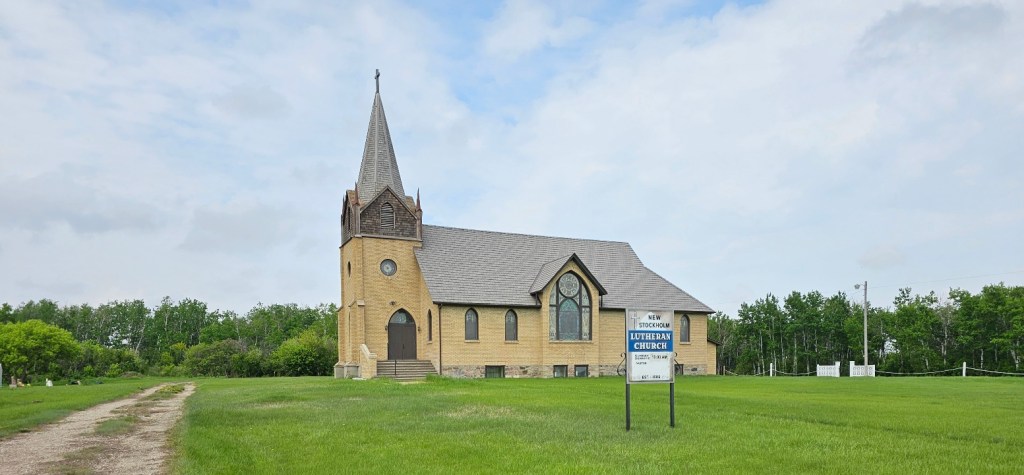
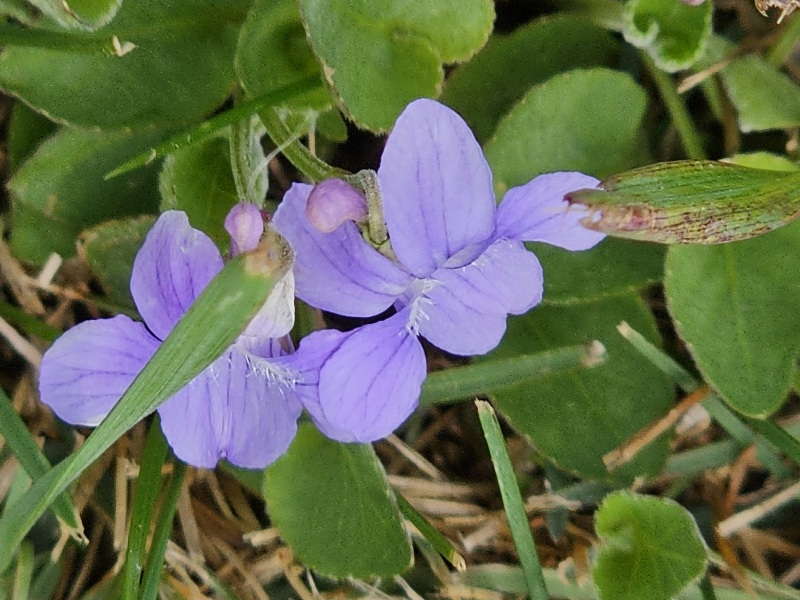
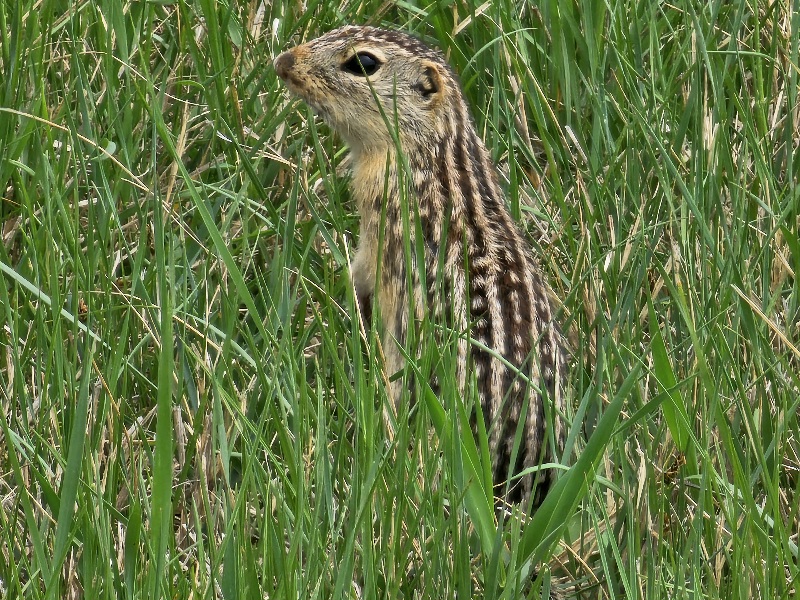
It was an interesting quest and I thank my father-in-law for putting together the family history with information from a paternal aunt and my husband for actually finding the graves online so we knew where to look for them.
Camping tonight in Melville, SK where some of ‘the aunts’ used to live. We had a nice long phone call with good friends from home and now about to have dinner. I probably have cousins all over the place out here but wouldn’t have the first clue how to connect with them
 Louise and Brian McLeod Travel Blog
Yes
Thank you for sharing such an informative and interesting post about the history and geography of Saskatchewan. I especially enjoyed reading about the settlements of French Counts of St. Hubert and your personal connection to the towns of Whitewood and Stockholm. I was just wondering, what inspired your grandfather and his family to move to Saskatchewan in the early 1900s despite not being farmers or accustomed to hard labor?
Cassie
RadiantBeautyCare.com
LikeLike
I’m not sure anyone in the family really knows. Thanks for the comment!
LikeLike