Bird sightings: terns, brown Pelican. Laughing gulls, egrets, great blue heron, swallows, osprey, grebes
We left camp this morning reasonably early to avoid the heavy traffic on the bridge. We decided to stop at Fort Pulaski, near Tybee Island. What we thought would be a half hour visit ended up taking over 2 hours. This fort has some interesting history attached to it besides military.
Fort Pulaski
In the second quarter of the 19th century, U.S. military engineers built Fort Pulaski on marshy Cockspur Island to guard the river approaches to Savannah. It was based for Count Casimir Pulaski, the Polish hero of the American Revolution who lost his life defending Savannah during the siege of 1779. As it turned out, before U.S. troops could occupy it they had to conquer it from the Confederate Army in 1861.
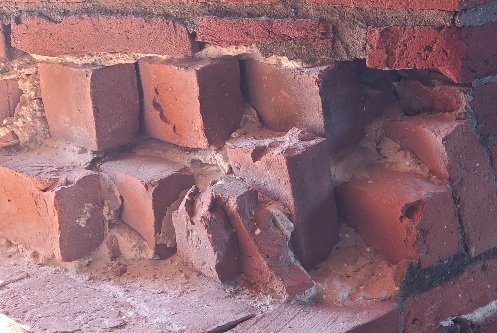
Using new technology in the form of rifled canons with bullet shaped ammunition instead of round cannonballs, the Union bombarded the fort from batteries a distance of up to 4 miles away on Tybee Island breaching the walls in a matter of hours instead of months, forcing the Union General to surrender.
The quick fall of Fort Pulaski shook the world as the fort’s walls were considered, at the time they were built, to be impenetrable. Smooth bore canons of the time could fire a cannonball only a distance of 700 to 1000 feet to have any effect. Fort Pulaski’s defenders felt secure with the nearest Canon several miles away.
The bombardment created the need for some radical readjustment to thinking about naval architecture for future fortifications. A new weapon of war had just come in to play.
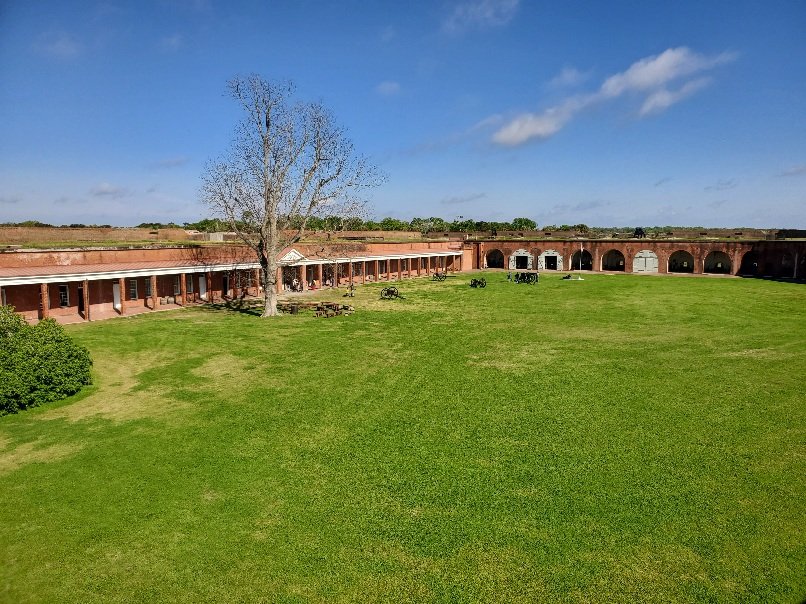


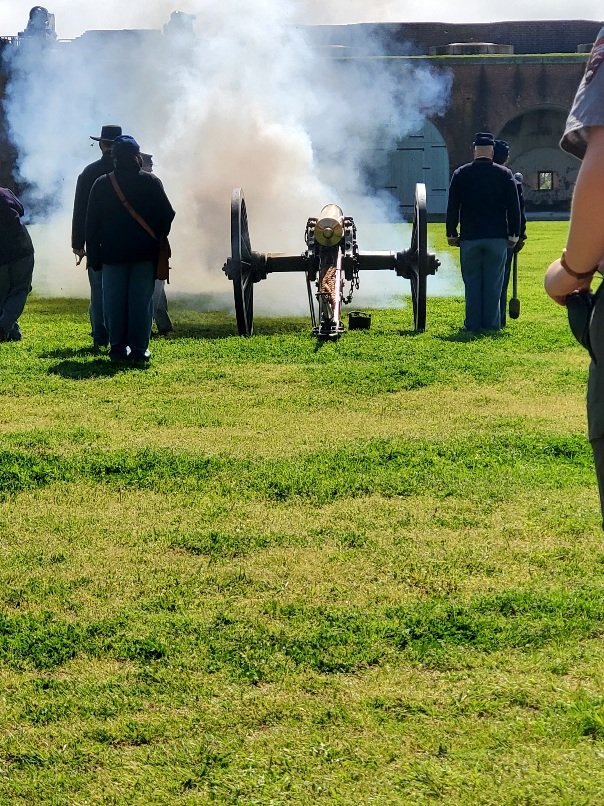

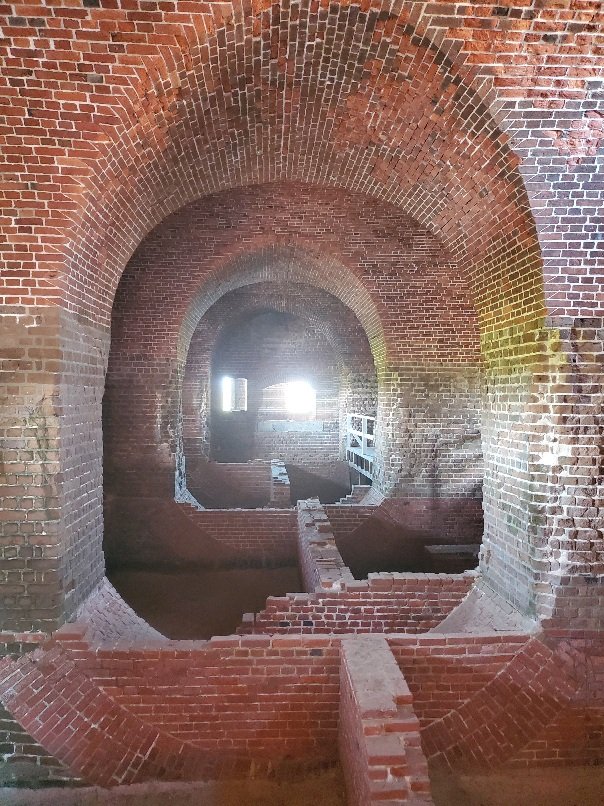

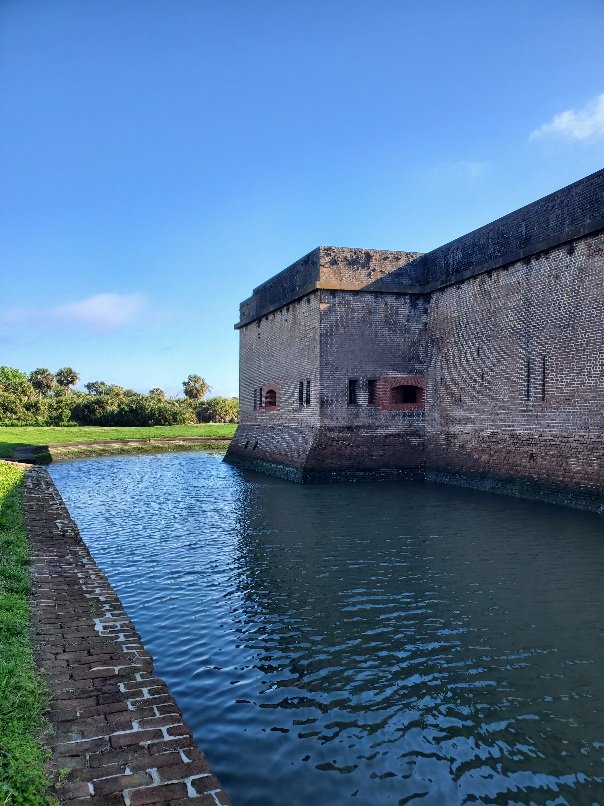
Who made all the bricks? Millions of bricks were needed to build the fort. Some came from Savannah and the rest from Maryland and Virginia, all made by slaves. Removing wet clay from brick molds, the slaves left their fingerprints and in some cases hand prints reminding us of the non-military human cost to building this fortification.
After visiting Fort we headed towards campsite having lunch and buying groceries along the way

Shortly after arriving, a violent thunderstorm came up … we now have a campsite with its own swimming pool. We do have a lovely campsite with a view of the lake in any case. Trying to figure out how to get out of the van.


 Louise and Brian McLeod Travel Blog
You must be logged in to post a comment.