Having made the decision not to go into Savannah today, we are having a delightful non- driving day, enjoying our morning coffee and breakfast outside.
We embarked on a 3 hour walk of the area and the beaches. Tybee is a picturesque historic island formerly called Savannah Beach. Mainly beach rental properties, it is not over developed.
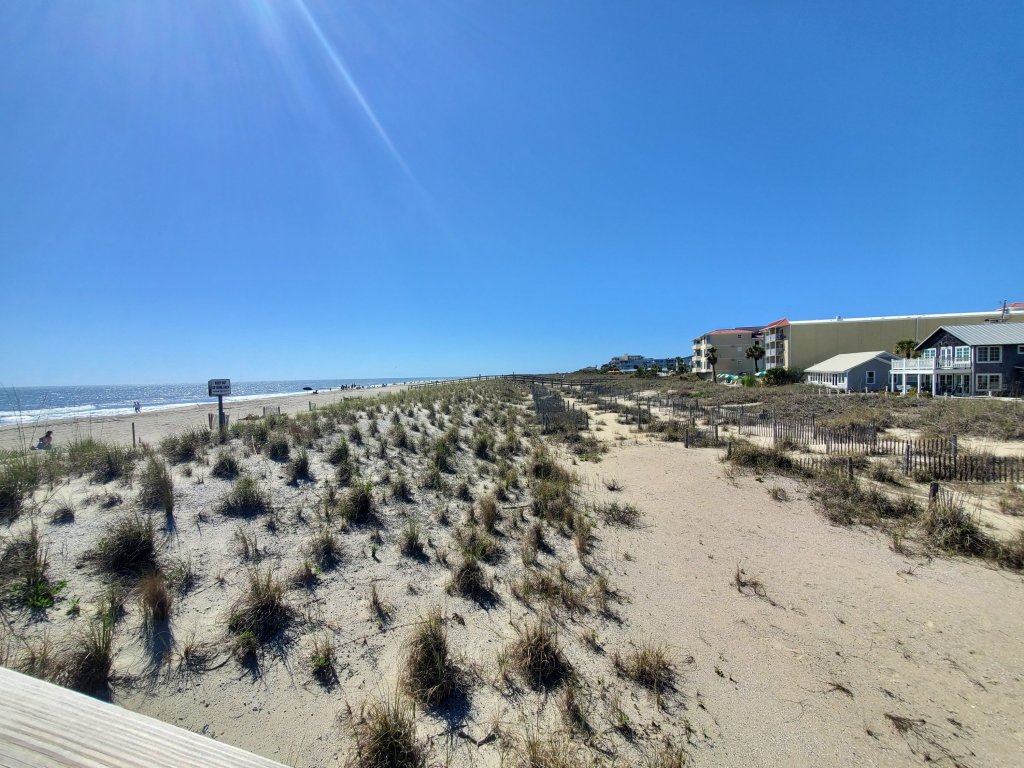

We stopped for lunch at a beach bar and enjoyed a delightful shrimp and fruit salad.

Planning to spend the rest of the afternoon / evening relaxing in camp. It is a beautiful day. Slightly breezy keeping the bugs at bay and relatively low humidity. Just perfect.
Tybee Island Wade-Ins
Photographed By Duane and Tracy Marsteller, June 12, 2022
Tybee Island Wade-Ins Marker Inscription:
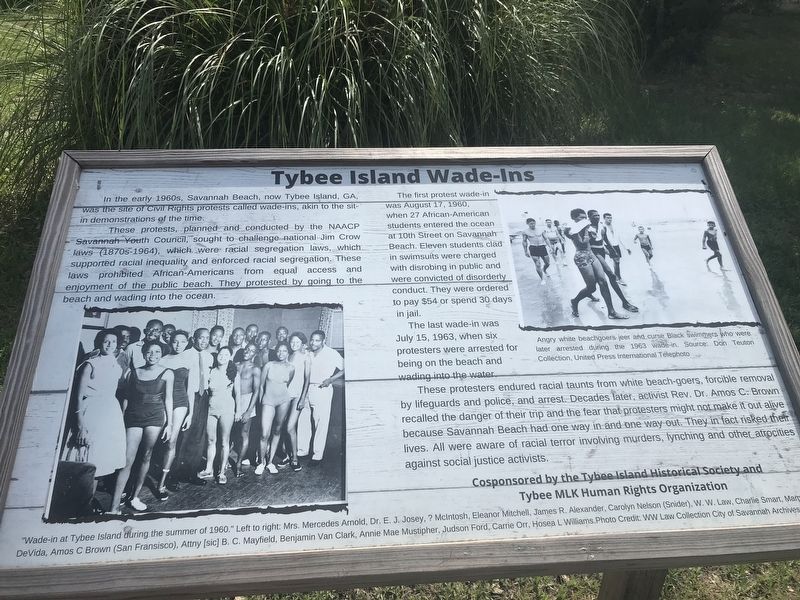
In the early 1960s, Savannah Beach, now Tybee Island, GA, was the site of Civil Rights protests called wade-ins, akin to the sit-in demonstrations of the time.
These protests, planned and conducted by the NAACP Savannah Youth Council, sought to challenge national Jim Crow laws (1870s-1964), which were racial segregation laws, which supported racial inequality and enforced racial segregation. These laws prohibited African-Americans from equal access and enjoyment of the public beach. They protested by going to the beach and wading into the ocean.
The first protest wade-in was August 17, 1960, when 27 African-American students entered the ocean at 10th Street on Savannah Beach. Eleven students clad in swimsuits were charged with disrobing in public and were convicted of disorderly conduct. They were ordered to pay $54 or spend 30 days in jail.
The last wade-in was July 15, 1963, when six protesters were arrested for being on the beach and wading into the water.
These protesters endured racial taunts from white beach-goers, forcible removal by lifeguards and police, and arrest. Decades later, activist Rev. Dr.
Photographed By Duane and Tracy Marsteller, June 12, 2022
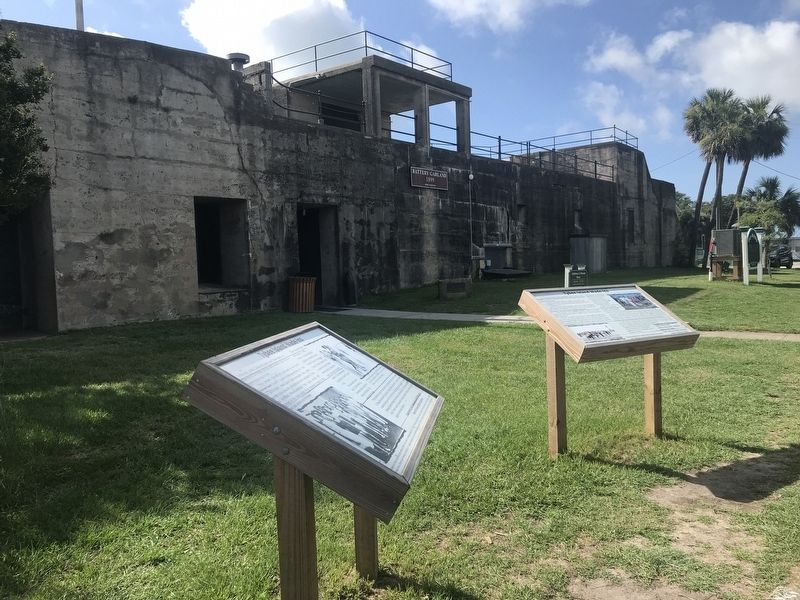
Tybee Island Wade-Ins Marker: Amos C. Brown recalled the fear that protesters might not make it out alive because Savannah Beach had one way in and one way out. They in fact risked their lives. All were aware of racial terror involving murders, lynching and other atrocities against social justice activists.
For photos of the wade-ins go to Watch and Listen – Picturing Black History
https://picturingblackhistory.org/watch-and-listen
Today, Black college students host their annual Orange Crush spring break celebration on Tybee Island. Savannah officials have taken efforts to limit the event’s success by increasing policing and denying permits, promoting narratives of the event as loud, dirty, and dangerous. On Tybee Island, the struggle for racial equality is far from over.
The Middle Passage UNESCO Site of Memory Tybee Island, Georgia Routes of Enslaved Peoples:

Resistance, Liberty and Heritage
Photographed By Craig Doda, November 12, 2022
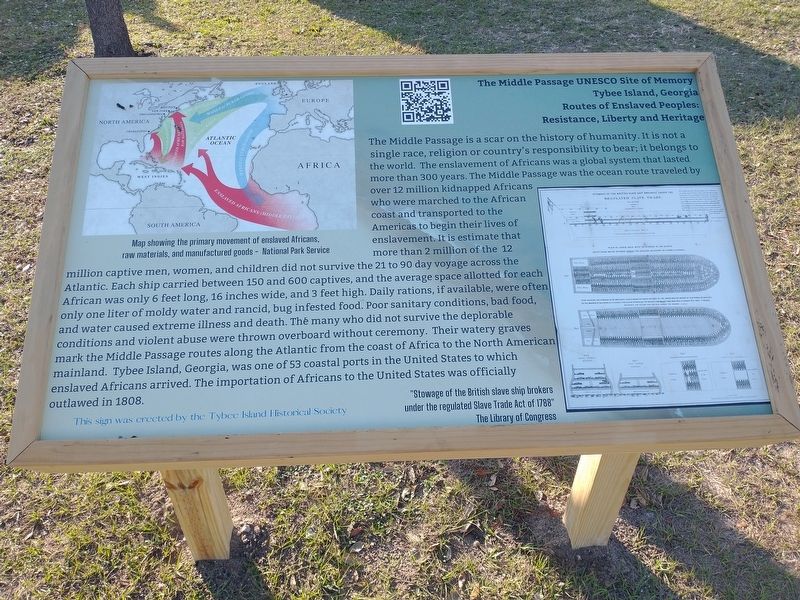
The Middle Passage Unesco Site of Memory Marker Inscription: The Middle Passage is a scar on the history of humanity. It is not a single race, religion or country’s responsibility to bear; it belongs to the world. The enslavement of Africans was a global system that lasted more than 300 years. The Middle Passage was the ocean route traveled by over 12 million kidnapped Africans who were marched to the African, coast and transported to the Americas to begin their lives of enslavement. It is estimated that more than 2 million of the 12 million captive men, women, and children did not survive the 21 to 90 day voyage across the Atlantic. Each ship carried between 150 and 600 captives, and the average space allotted for each African was only 6 feet long, 16 inches wide, and 3 feet high. Daily rations, if available, were often only one liter of moldy water and rancid, bug infested food. Poor sanitary conditions, bad food, and water caused extreme illness and death. The many who did not survive the deplorable conditions and violent abuse were thrown overboard without ceremony. Their watery graves mark the Middle Passage routes along the Atlantic from the coast of Africa to the North American mainland.
Tybee Island, Georgia, was one of 53 coastal ports in the United States to which enslaved Africans arrived. The importation of Africans to the United States was officially outlawed in 1808
 Louise and Brian McLeod Travel Blog
You must be logged in to post a comment.