Woke up this morning to beautiful sunshine albeit at little cold. It went down to freezing overnight
We aren’t eating outside yet so we enjoyed watching the bluebirds and woodpeckers in our campsite while we ate inside.
We still have miles to make today and we stayed on Hwy 81 to the Tennessee border after which we immediately got off the interstate. We are now officially on vacation!!
So what do you in Tennessee? Well, you visit one of the many moonshine distilleries for starters. We visited the Eastern Tennessee Distillery in Piney Flats. I’ve never had moonshine before so I learned something… also that it comes in flavors! Lots and lots of flavors.
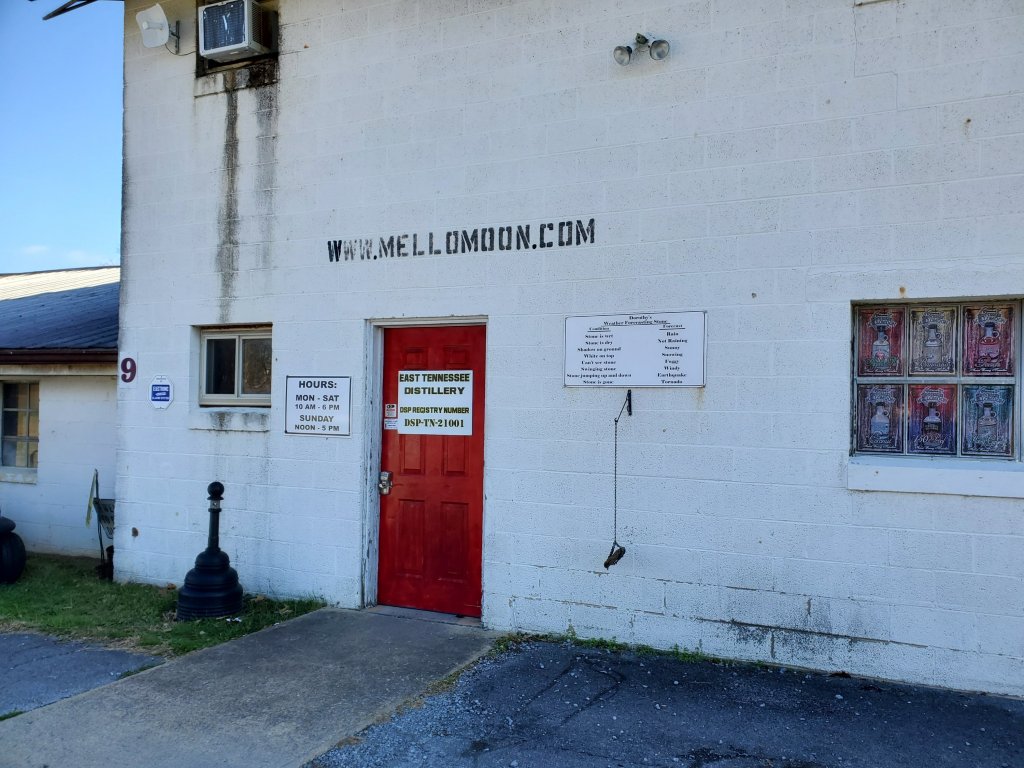
According to Wikipedia, Moonshine is high-proof liquor that is usually produced illegally. The name was derived from a tradition of creating the alcohol during the nighttime, thereby avoiding detection. In the first decades of the 21st century, commercial distilleries have begun producing their own novelty versions of moonshine, including many flavored varieties.
Moonshine historically referred to “clear, unaged whiskey”, once made with barley in Scotland and Ireland or cornmash in the United States, though sugar became just as common in illicit liquor during the last century. The word originated in the British Isles as a result of excise laws, but only became meaningful in the United States after a tax passed during the Civil War outlawing non-registered stills. Illegal distilling accelerated during the Prohibition era (1920–1933) which mandated a total ban on alcohol production under the Eighteenth Amendment of the Constitution. Since the amendment was repealed in 1933, laws focus on evasion of taxation on any type of spirits or intoxicating liquors. Law enforcement agents were once known colloquially as “revenuers”.
In Prohibition-era United States, moonshine distillation was done at night to avoid discovery. While moonshiners were present in urban and rural areas around the United States after the civil war, moonshine production concentrated in Appalachia because the limited road network made it easy to evade revenue officers and because it was difficult and expensive to transport corn crops. As a study of farmers in Cocke County, Tennessee, observes: “One could transport much more value in corn if it was first converted to whiskey. One horse could haul ten times more value on its back in whiskey than in corn.
The Origins of NASCAR: Once the liquor was distilled, drivers called “runners” or “bootleggers” smuggled moonshine and “bootleg” (illegally imported) liquor across the region in cars specially modified for speed and load-carrying capacity. The cars were ordinary on the outside but modified with souped-up engines, extra interior room, and heavy-duty shock absorbers to support the weight of the illicit alcohol. After Prohibition ended, the out-of-work drivers kept their skills sharp through organized races, which led to the formation of the National Association for Stock Car Auto Racing (NASCAR). Several former “runners” became noted drivers in the sport.
The Simply Elegant Bakery
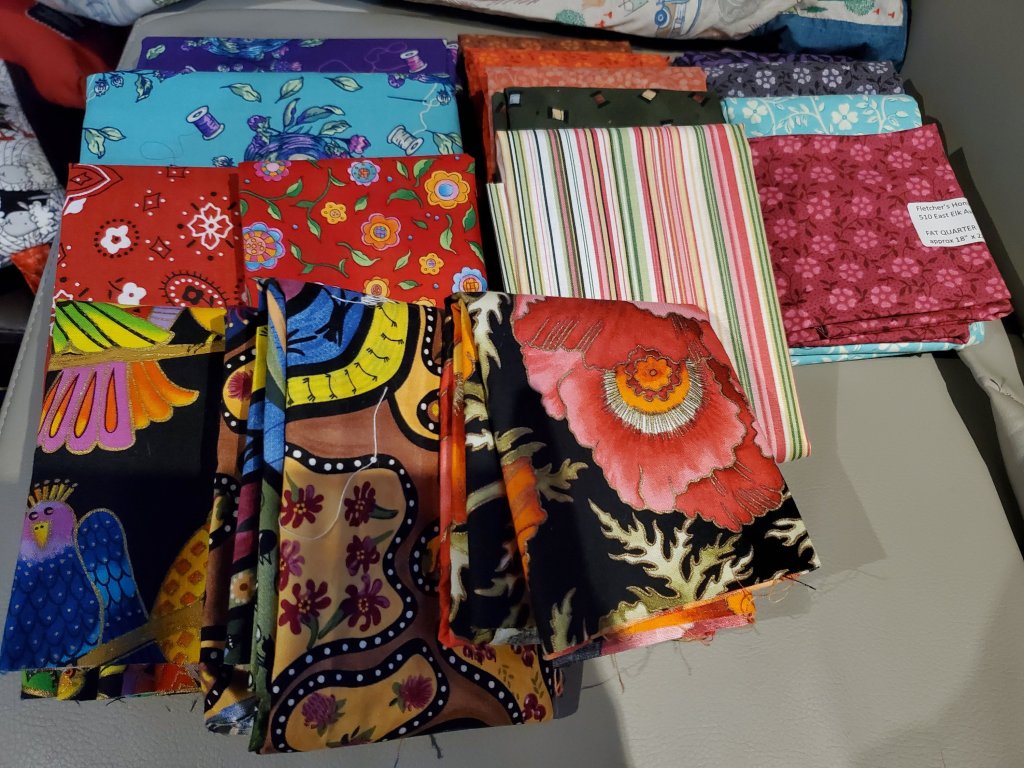
Of course I am always looking for fabric and we found a quilt shop in Elizabethton.
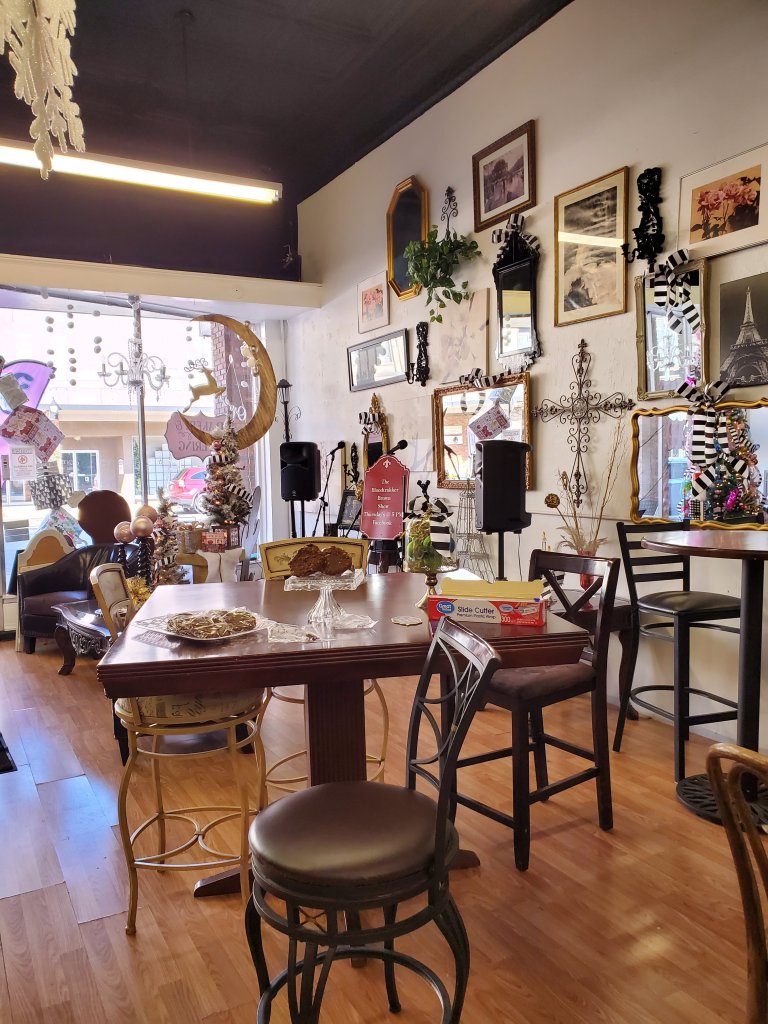
Down the street was a charming bakery where we had ‘stuffed waffles’ for lunch and informative conversation with the lovely owner. She filled us in with more information about moonshine and how they used their stills when there was fog on the many lakes and rivers to hide the smoke.
Campsite tonight is Roan Mountain State Park in Tennessee. We stopped to pick up some local BBQ for dinner and then went for a badly needed walk.
We are tucked into the van for the night. It was already below freezing by sundown but we are comfortable, listening to some nice music and reading.
Tomorrow we head to Ashville, NC where we will hook up with our inveterate travel buddies, Curtis and Carolyn. We have an Air BnB for the weekend together.
 Louise and Brian McLeod Travel Blog
You must be logged in to post a comment.