After a couple of warm days the weather had turned cooler again. Today was windy and a little misty at times.
Another lazy start to the day and a long walk before packing up and leaving. Again we don’t have far to go. It’s Friday and the most difficult days to reserve campsite are over the weekend. We have only been able to get one night at a time. One reason we are moving so much.
We were only able to get one night at Jekyll Island and the campsite we are in on the island is crowded and full. This is a place campers settle for long periods. It is treed however but with little privacy between sites.
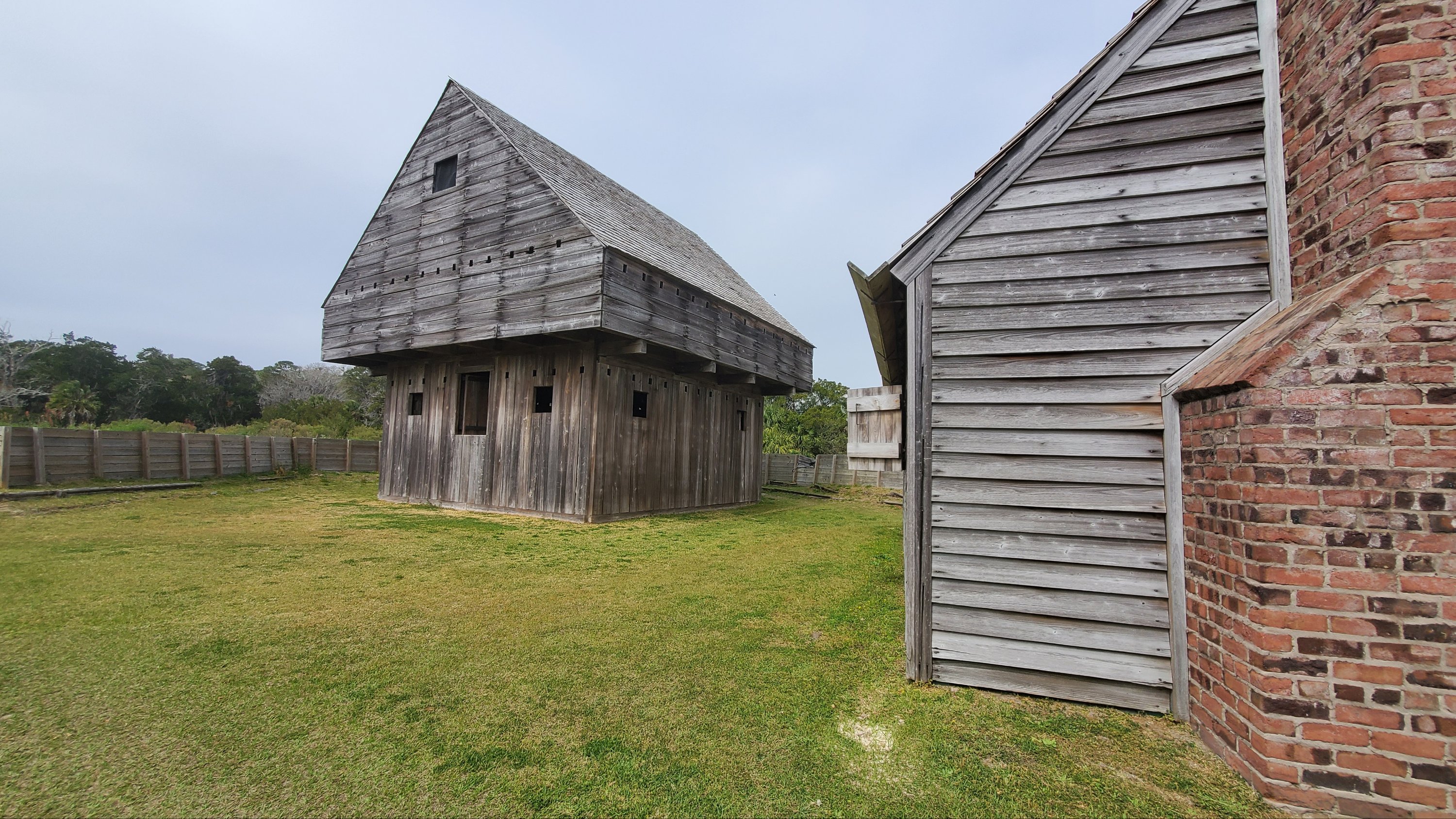
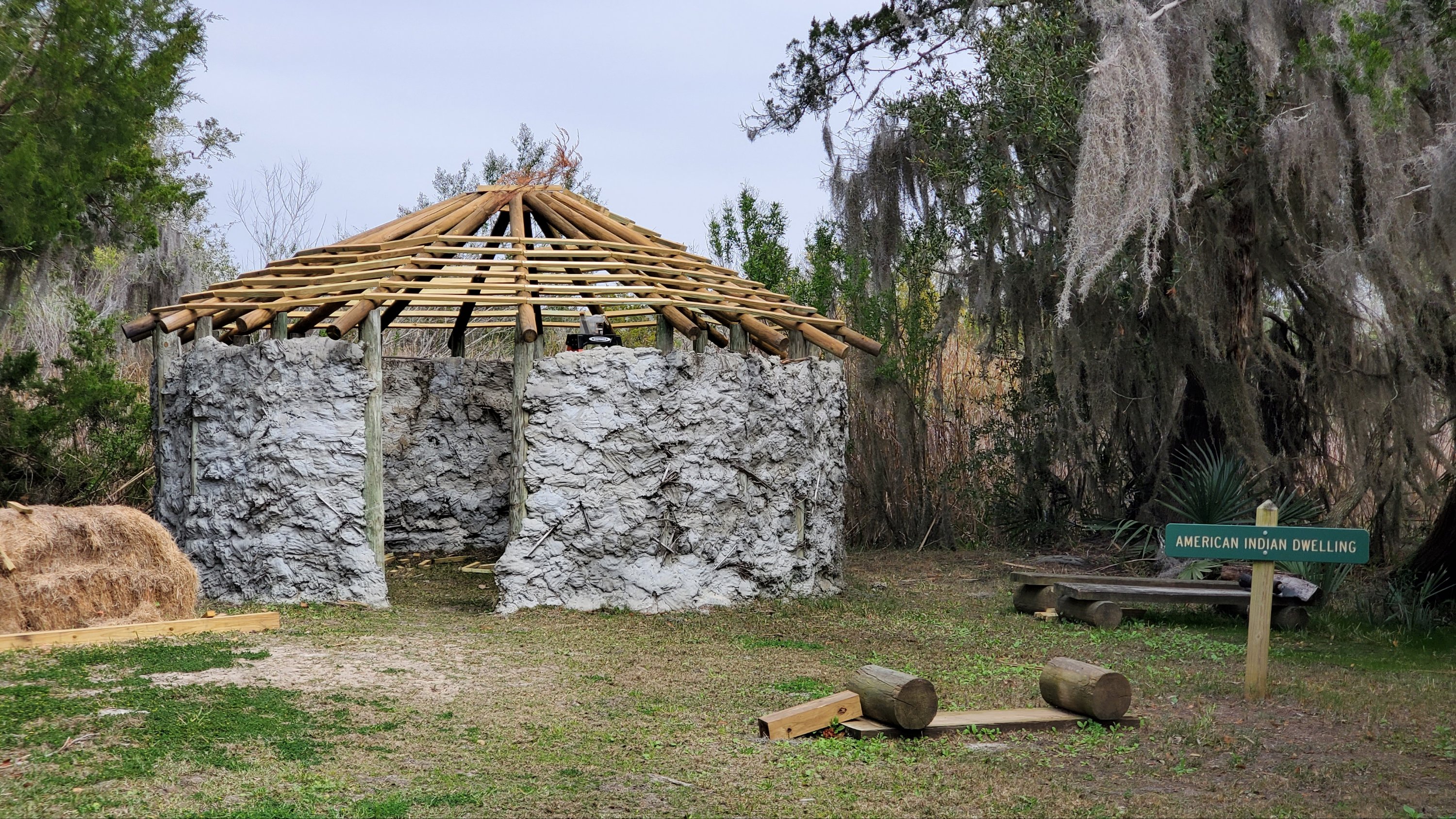
We stopped along the way to visit Fort King George, another historical site linked to the English / Spanish confrontations I have talked about before. While it didn’t see any action of its own, it sent Scottish Highlander troops to Fort Frederica to fight in the Battle of the Bloody Marsh that finally saw the end of the Spaniards. So this Fort closed the loop for me on the history of the early 1700s.
It was cloudy and damp this evening. We went for a long walk around the campsite and then retired inside for dinner and TV.
We have decided that the one external piece of equipment we could add to the mix is a screened dining shelter. We have been driven inside on this trip too many times due to the gnats. Part of our walk became a ‘shopping trip’ to look at what everyone else uses, especially the class Bs like ours. It needs to be light, small and easy to put up.
Fort King George
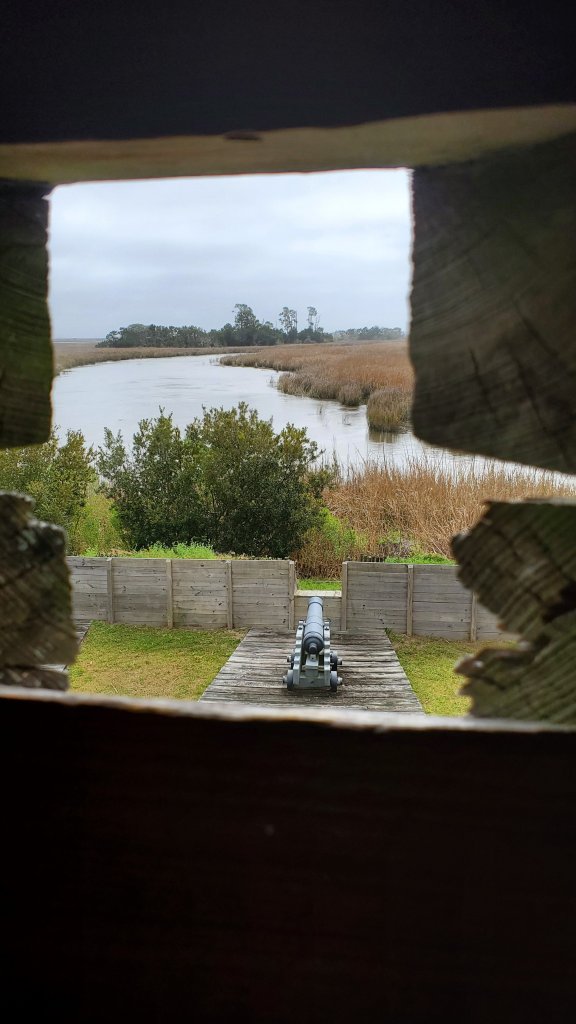
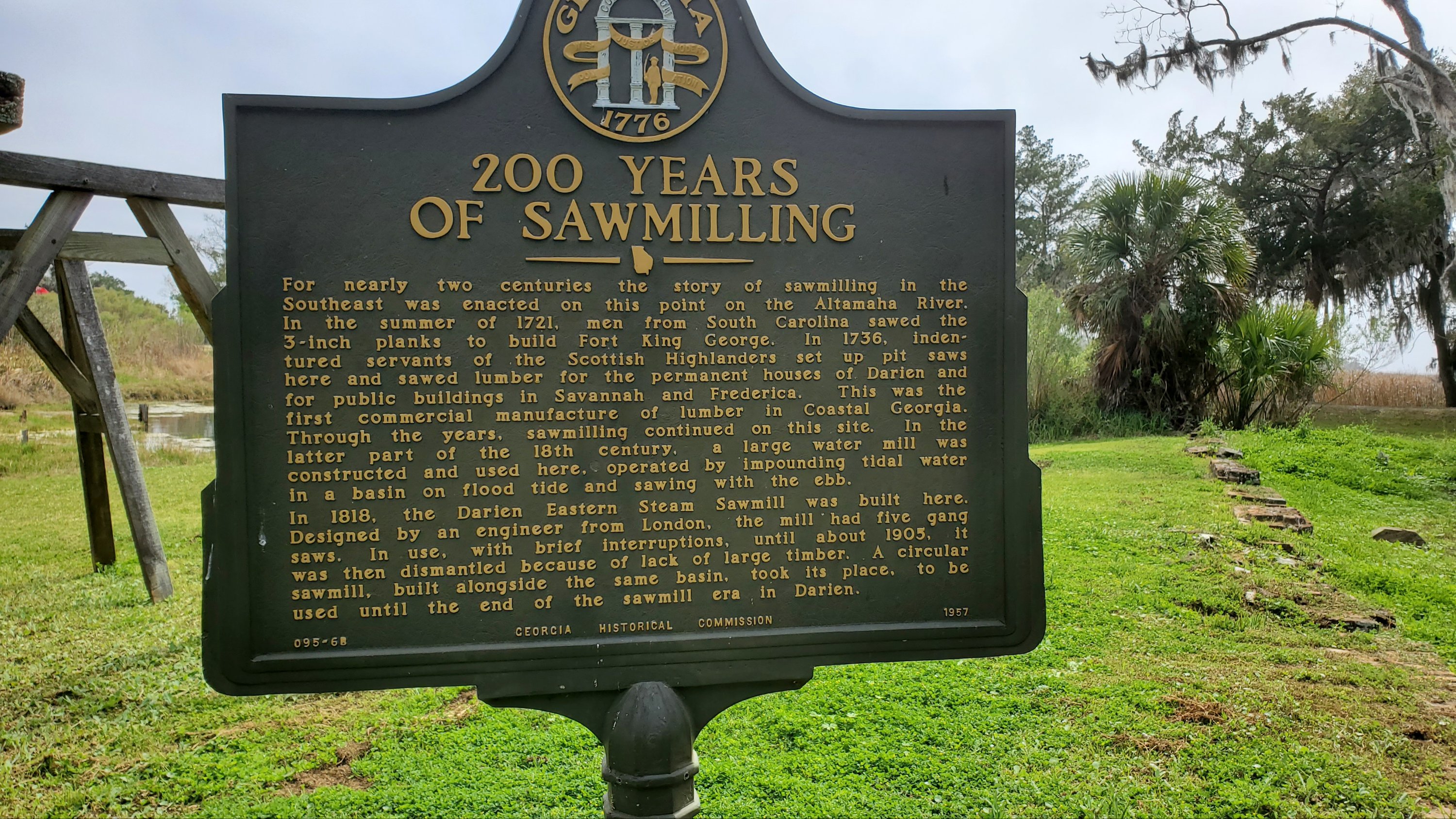
This is the oldest English fort remaining on Georgia’s coast. From 1721 until 1736, Fort King George was the southern outpost of the British Empire in North America. A cypress blockhouse, barracks and palisaded earthen fort were constructed in 1721 by scoutmen led by Colonel John “Tuscarora Jack” Barnwell. For the next seven years, His Majesty’s Independent Company garrisoned the fort. They endured incredible hardships from disease, threats of Spanish and Indian attacks, and the harsh, unfamiliar coastal environment. After the fort was abandoned, General James Oglethorpe brought Scottish Highlanders to the site in 1736. The settlement, called Darien, eventually became a foremost export center of lumber until 1925.
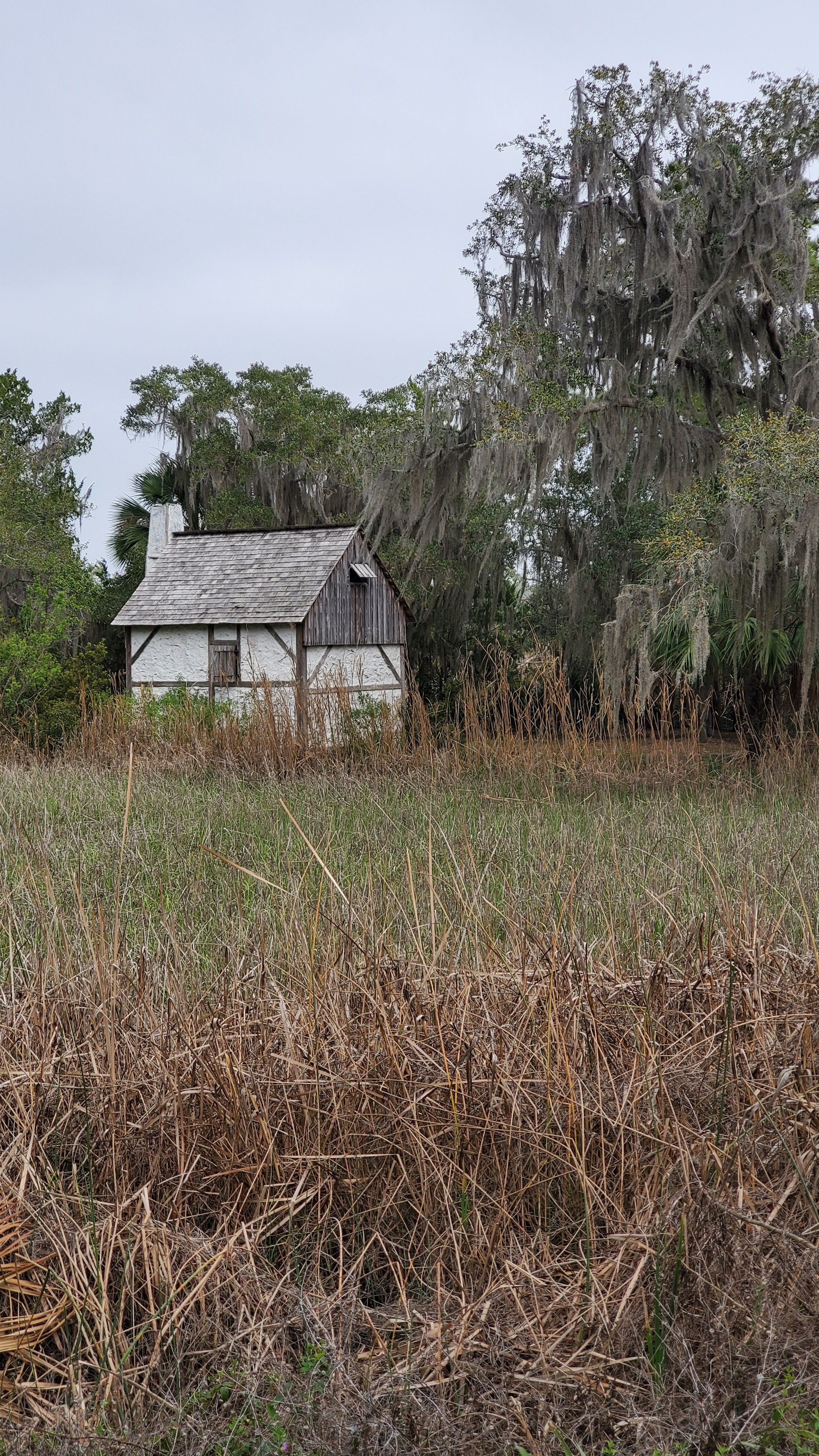
Using old records and drawings, this 18th century frontier fortification on the Altamaha River has been reconstructed for public tours.
 Louise and Brian McLeod Travel Blog
You must be logged in to post a comment.