I got back into making ‘egg bites’ again on this trip. This time with the last of a slice of ham, some asparagus tips and cheddar cheese. So breakfast was egg bites with my homemade bran muffins. This gorgeous morning bodes well for a hot day. We still have Brunswick itself to prowl around so off we go.
I mentioned the struggle yesterday between the British and the Spanish in the south in the mid 1700s yesterday. It turns out the Georgia, according to a plaque I read today, was chosen to be the buffer between the two which is why there are so many fortifications and mentions of skirmishes in this area.
Colonizing Georgia
Georgia’s first governor, General James Oglethorpe, was a visionary, social reformer, and military leader. It was through his initiatives in England in 1732 that the British government authorized the establishment of its first new colony in North America in more than five decades. Later that year he led the expedition of colonists that landed in Savannah early in 1733. Oglethorpe spent most of the next decade in Georgia, where he directed the economic and political development of the new colony, defended it militarily, and continued to generate support and recruit settlers in England and other parts of Europe.
Oglethorpe and his friends believed that if given a chance, England’s “worthy poor” could be transformed into farmers, merchants, and artisans. But strict rules would be needed to prevent the class divisions that plagued English society. Thus, all the settlers would work their own land, with slavery and large landholdings specifically prohibited.
Geogia’s founders thought that the colony’s climate would be suitable to the production of valuable silk, wine, and other Mediterranean-type commodities. They imagined the colony as a place where settlers could achieve a comfortable living rather than an enormous personal fortune, which was associated with plantation life in other parts of British America.
On the matter of importing enslaved Africans from any source, Oglethorpe never wavered in wholly opposing slavery in Georgia. With respect to Georgia’s Indians, he had an enlightened policy, always respecting their customs, language, and needs. Land cessions were always agreed to by treaty according to proper Indian custom. Also, Oglethorpe actively sought to protect the Indians from unscrupulous white traders.
The Spanish invasion of Georgia came in July 1742 to St. Simons island in a skirmish led by Oglethorpe now known as the Battle of Gully Hole Creek. The invasion concluded with the Battle of Bloody Marsh. The Spanish lost and withdrew to St. Augustine. Never again would Spanish forces mount an offensive against Britain’s colonies on the East Coast of America.
Despite Oglethorpe’s opposition, over time the Trustees of Georgia, seeing their more prosperous neighbors, gradually relaxed their restrictions on land ownership, inheritance, rum, and slavery. Oglethorpe can best be remembered as a man who wouldn’t quit and who lived by the simple but profound philosophy that life is not about self, but about others.
Brunswick, GA
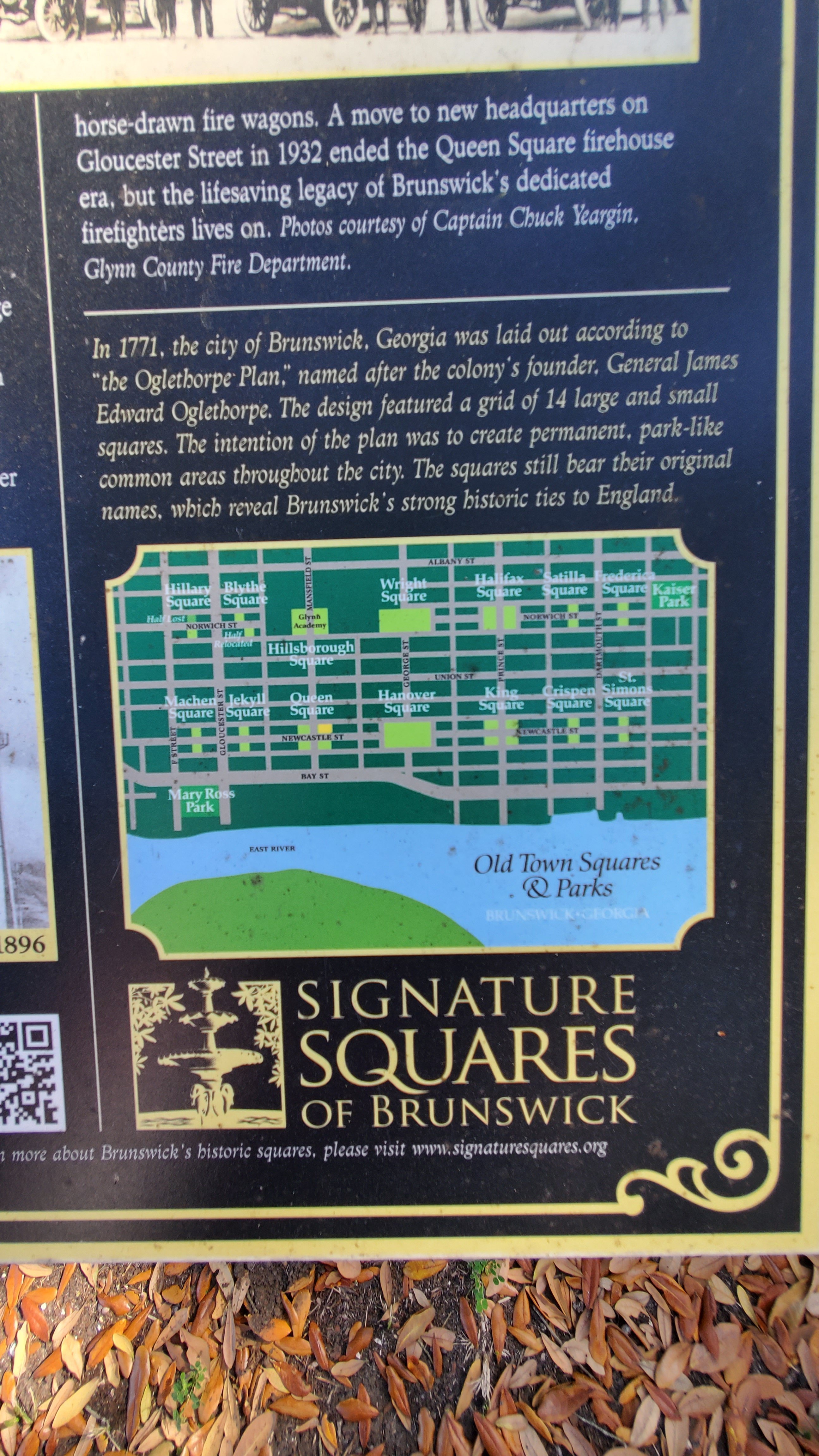
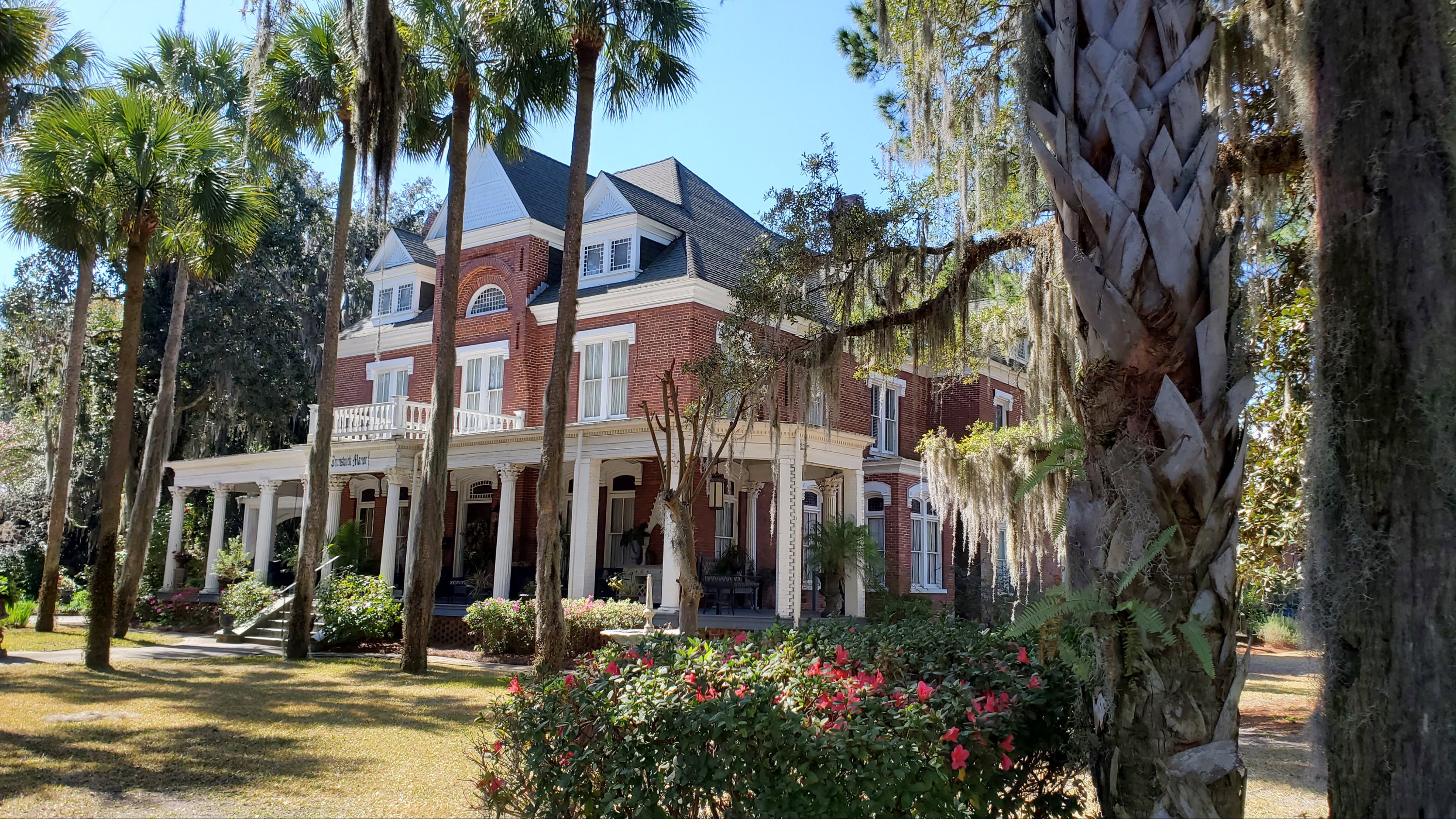
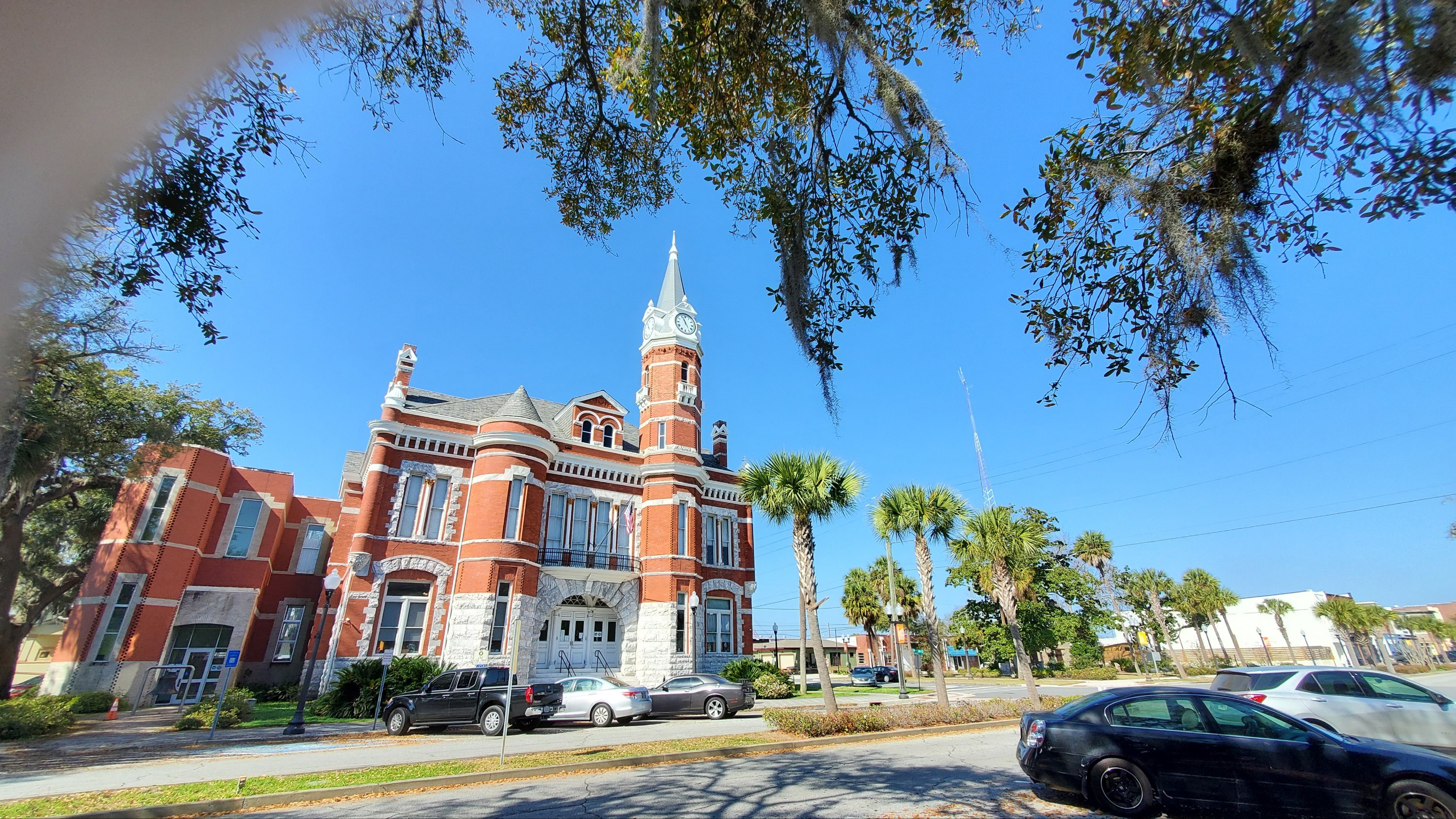
Brunswick is a city on the southeast coast of Georgia. It’s known for its Victorian-era Old Town Historic District and the huge, centuries-old Lover’s Oak tree. Causeways link the city to the 4 barrier islands of the Golden Isles.
When the city of Brunswick was established, the colony of Georgia was already 39 years old, having been chartered by General James Edward Oglethorpe in 1732. When the struggling enterprise was removed from the stewardship of the Trustees, it became a Royal Colony in 1752, 19 years before the city was founded. Ties with Britain were still strong in 1771, when the city was chartered, and plans for its streets and squares formalized. The influence of the alliance with England is more obvious in the naming of some squares, less so in others.
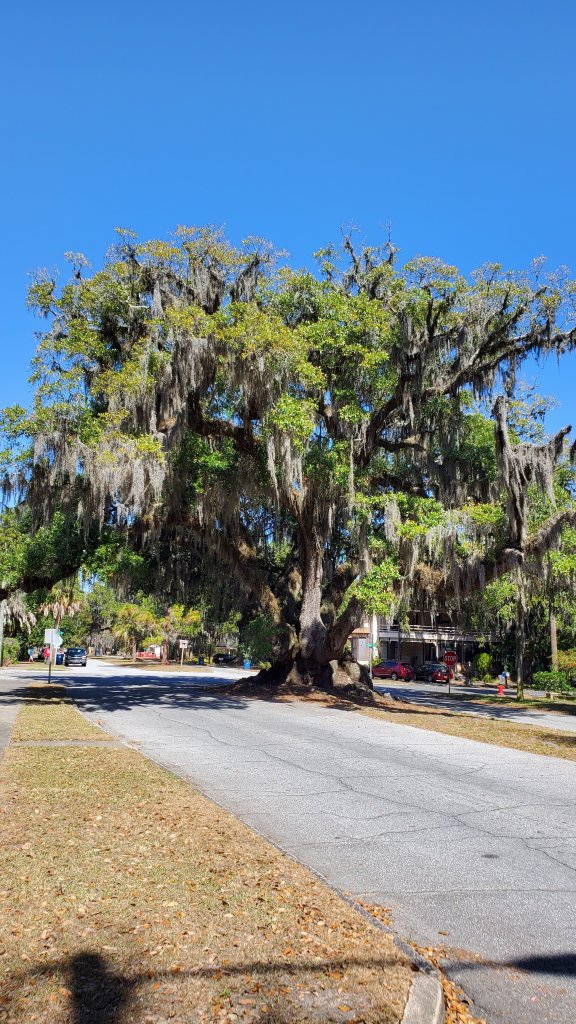
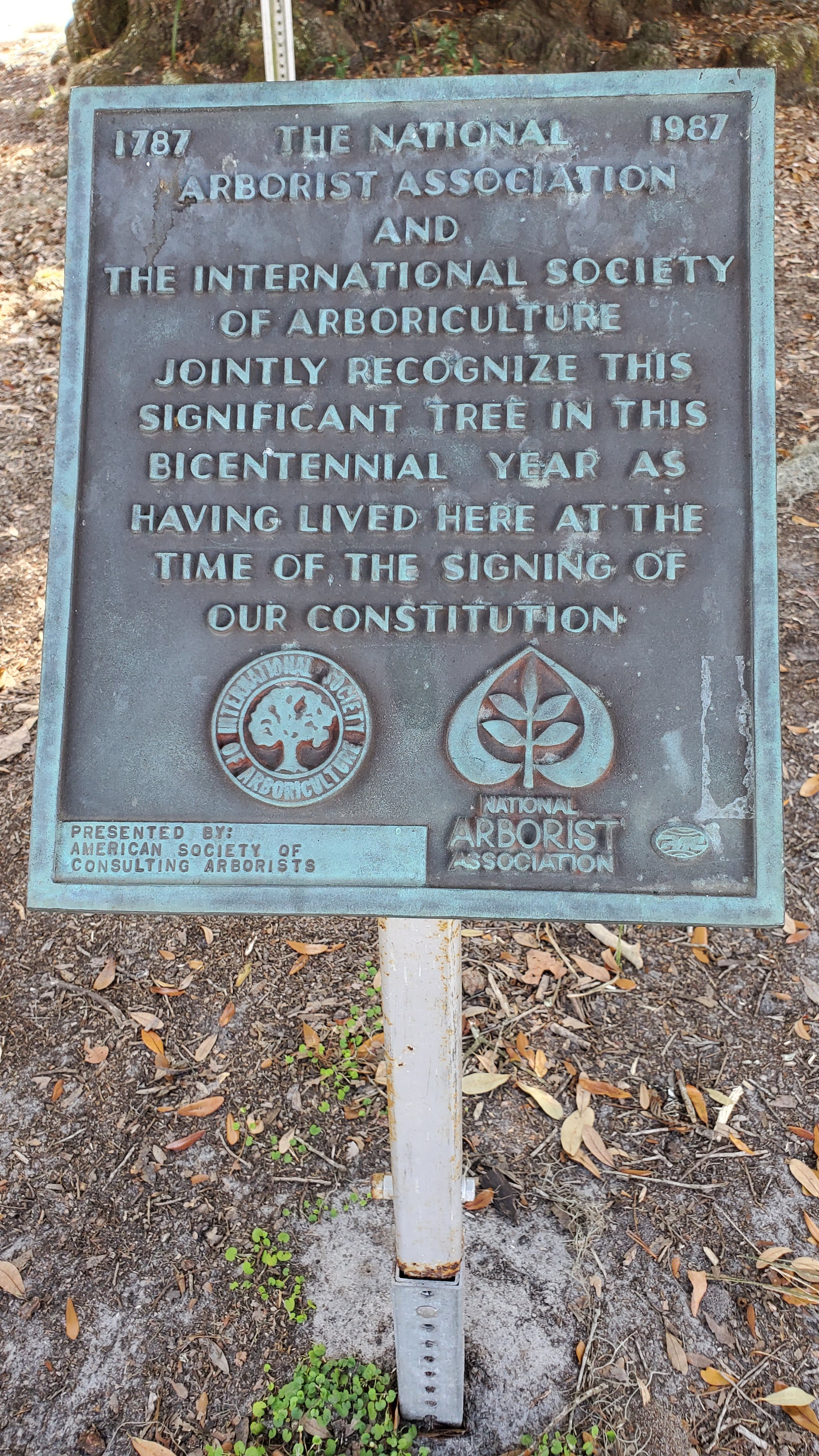
The Lover’s Oak (said to date back to the 12th century) is located at the intersection of Albany and Prince Streets in Historic Downtown Brunswick. According to local legend, Native American braves and their maidens met under the majestic spreading limbs of this enormous oak. As of 2005, the Lover’s Oak was estimated to be 900 years old. The tree’s trunk is about 13 feet in diameter and it branches into ten limbs measuring 12 to 30 inches in diameter
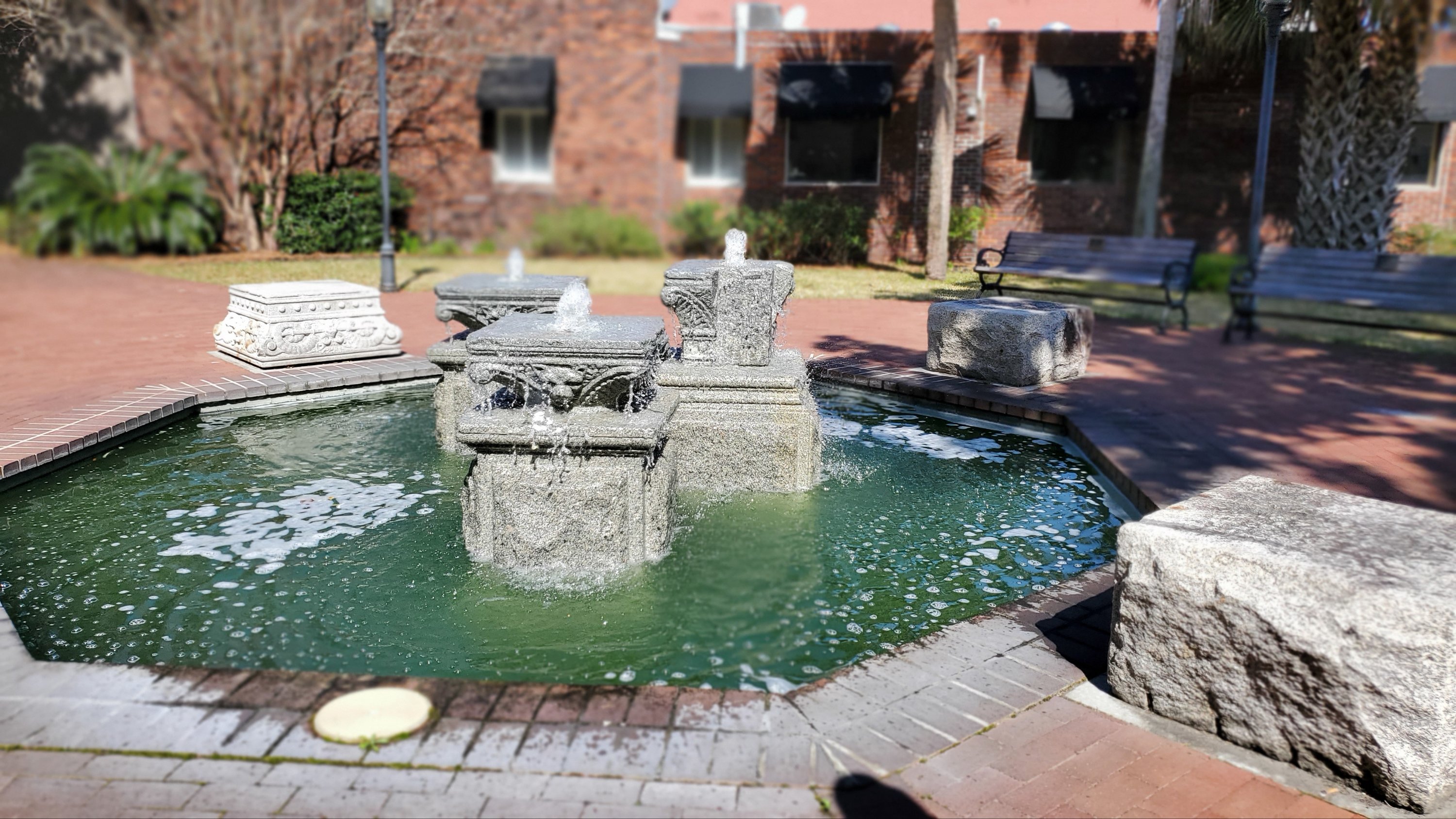
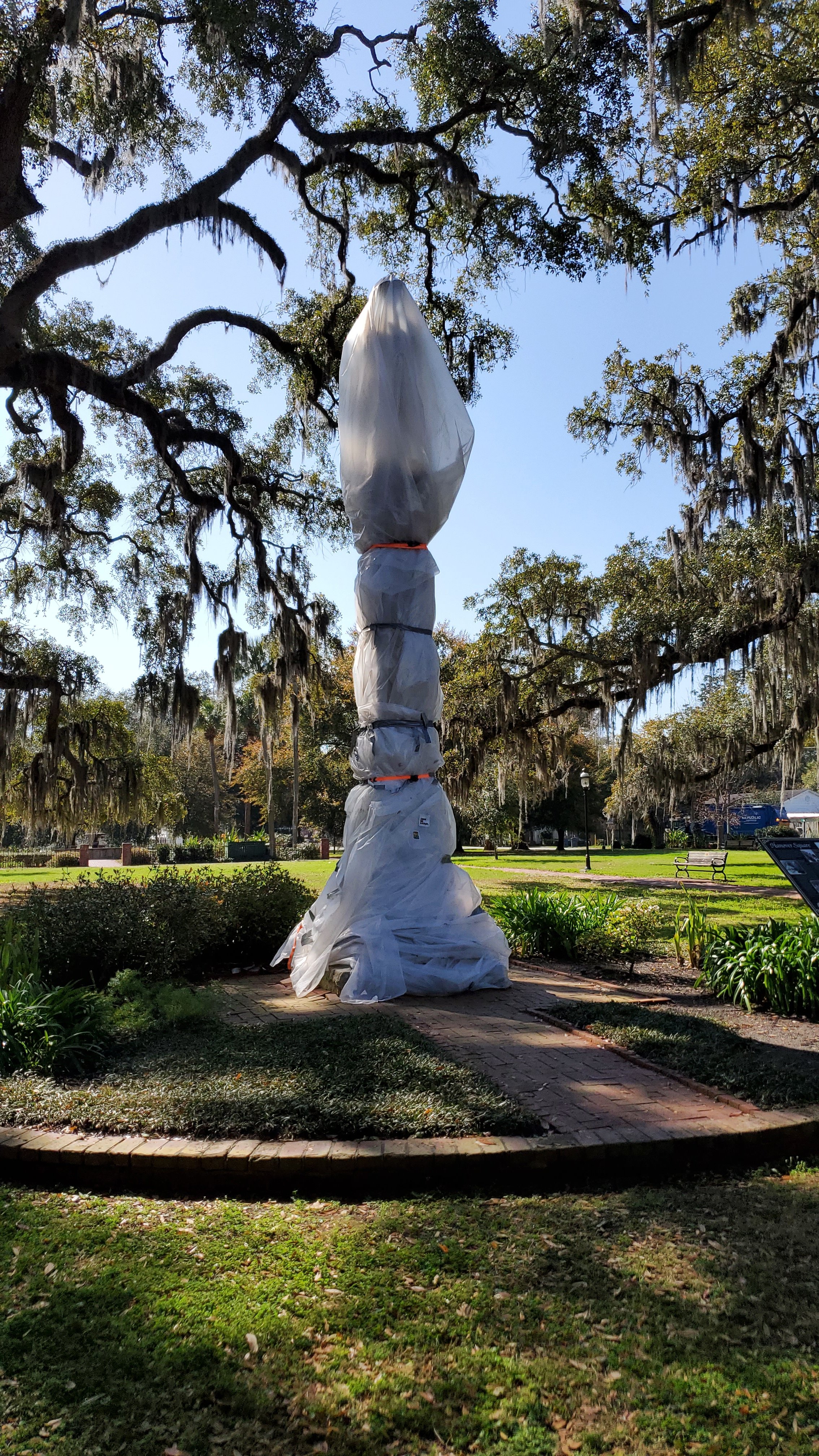
The monument, which has stood in the square since 1902, was the subject of controversy after the shooting death of Ahmaud Arbery. The monument was vandalized after the shooting of Arbery when someone spraypainted ‘BLM’ on it. There has been a lot controversy about removing the monument all together. It is unclear when the monument will be removed or where it will eventually end up.
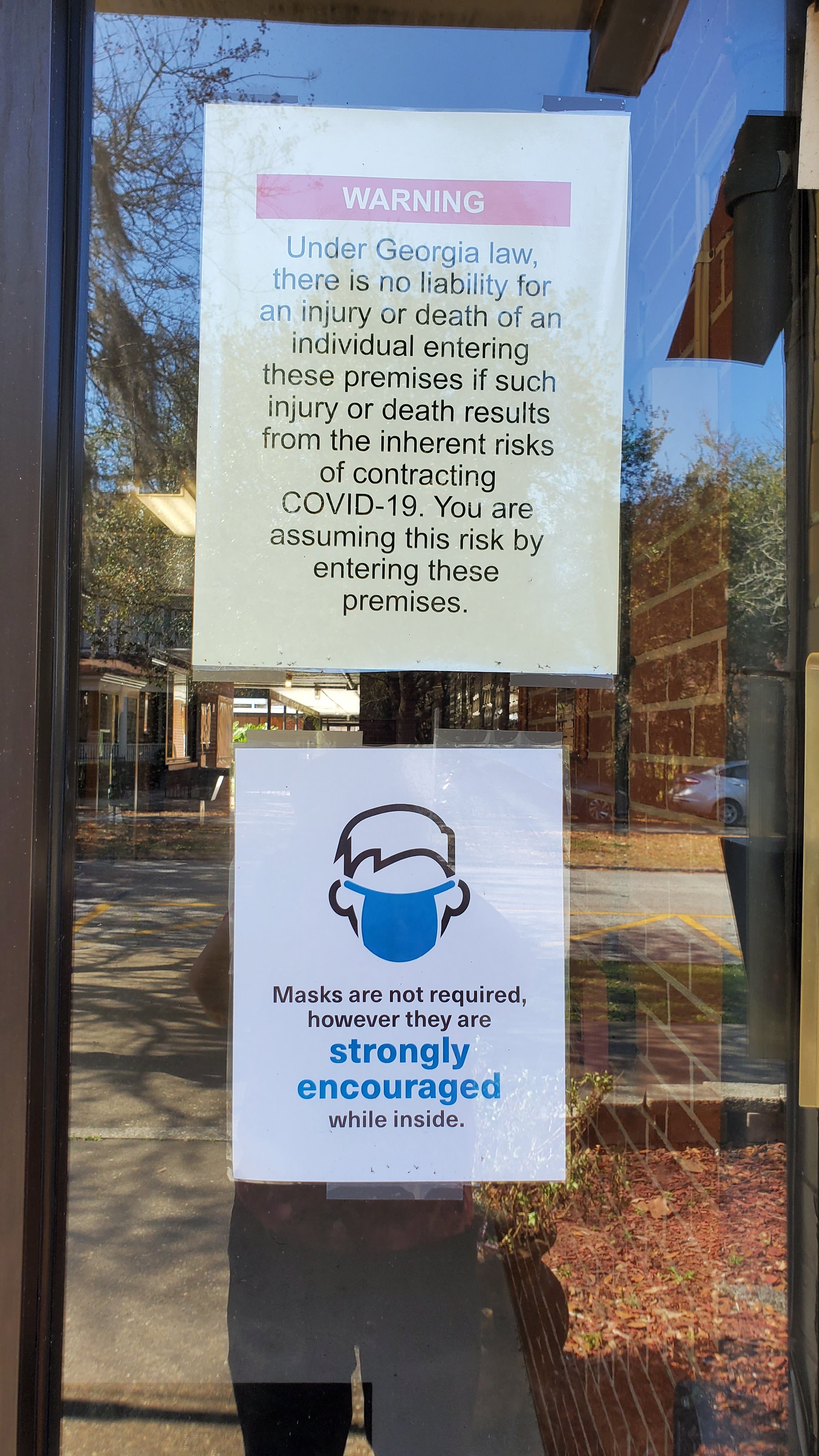
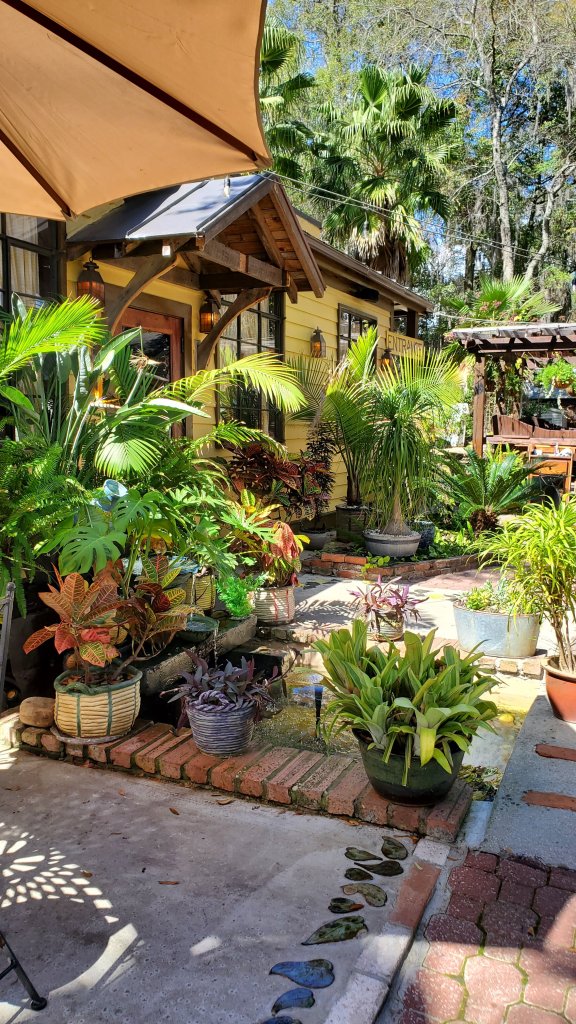
Even the Yellow Deli has a fascinating story. It was started in 1973 in Chattanooga, TN as a place where people could come and not feel rushed to leave, a comfortable place with good food, a friendly spot to meet neighbors and find a little refuge from the pressures of life. There are now Yellow Delis in several U.S. states and several countries.
The Yellow Deli is connected to The Twelve Tribes, formerly known as the Vine Christian Community Church, the Northeast Kingdom Community Church, the Messianic Communities,and the Community Apostolic Order, a new religious movement founded by Gene Spriggs (now known as Yoneq) that sprang out of the Jesus movement in 1972 in Chattanooga, Tennessee. The group calls itself an attempt to recreate the 1st-century church as it is described in the Book of Acts.
The food was delicious, everything fresh and homemade.
We got back to the campsite about 1:45 having walked most of the historic district, almost 5 miles. It was getting hot, 85 F. Spent the afternoon doing laundry, reading and napping. It is a vacation after all.
 Louise and Brian McLeod Travel Blog
You must be logged in to post a comment.