We have booked 4 nights in this campground. We are reasonably close to historic locations nearby and will explore them tomorrow and Thursday. Today we decided to stay in camp, the first time we have done so with this vehicle.
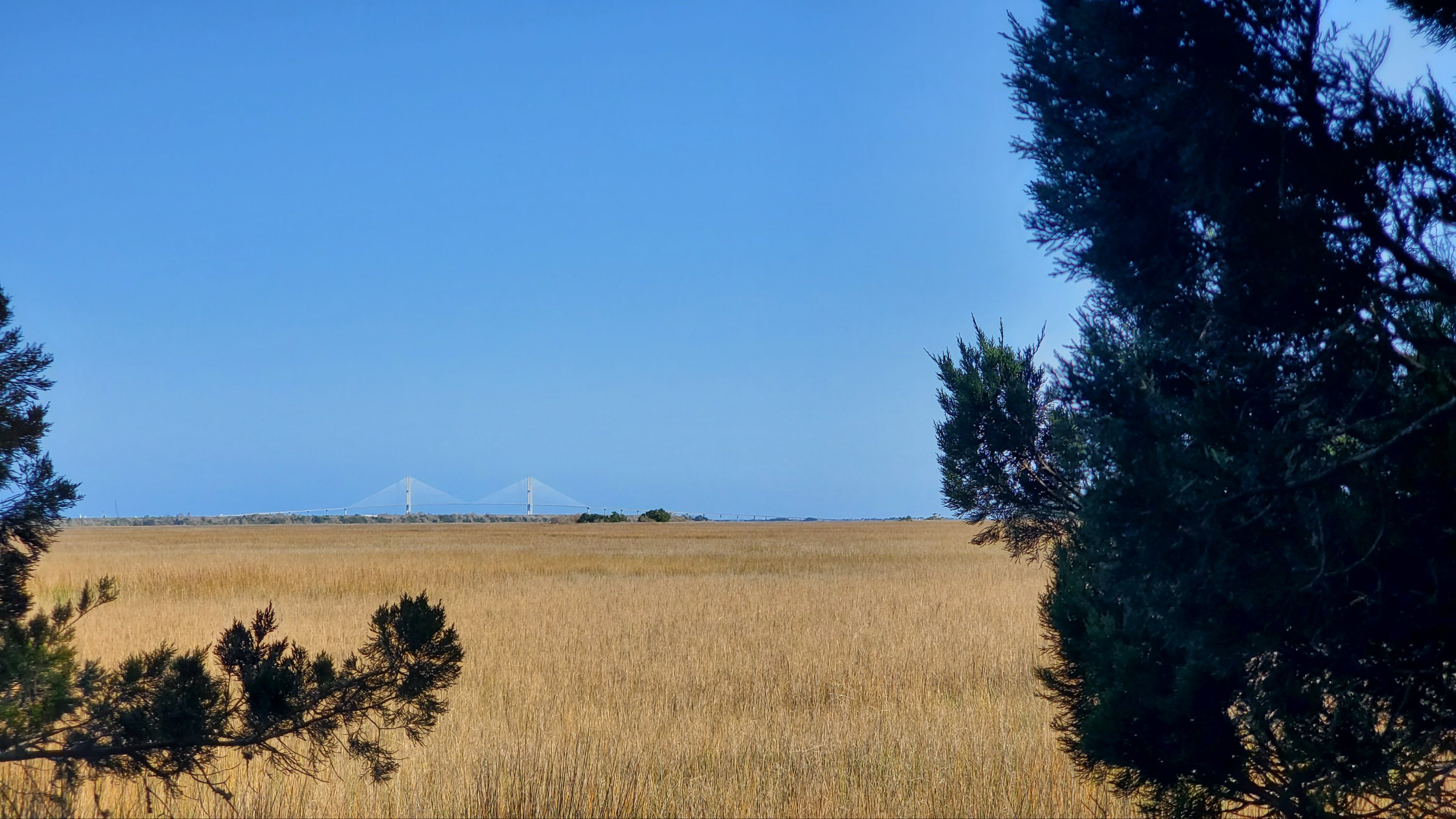
The campground is beautiful, situated on the South Brunswick River it also has a small freshwater lake with a beach for swimming. There are enough walking trails to keep us busy today. We had to change campsites so the morning waxs quite relaxed as we made the change. We are now settled in for the next 3 nights, or about as much as you can settle in when your house has to go with when exploring.
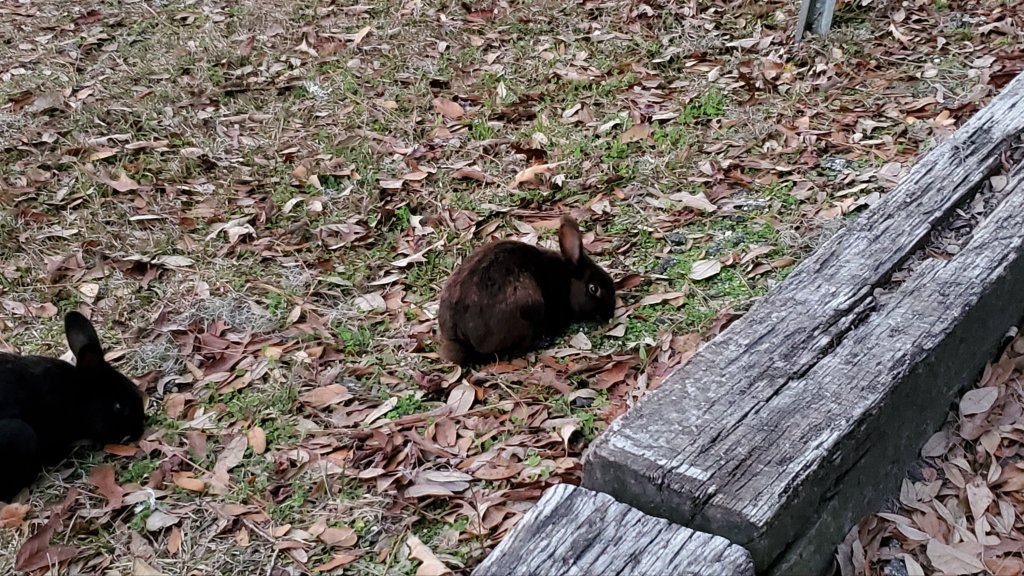
This campground has some interesting ‘wildlife. Rabbits, lots and lots of them.. and as you might expect, not in the least intimidated by us humans.. in fact they spend their days looking for handouts. People come here just to feed them.
And there are raccoons as I found out when I spotted one at the base of the tree near our picnic table staring me down at dinner. I have a love-hate relationship with these masked bandits.
The gnats are out again today. They seem to appear mid-afternoon to sundown.
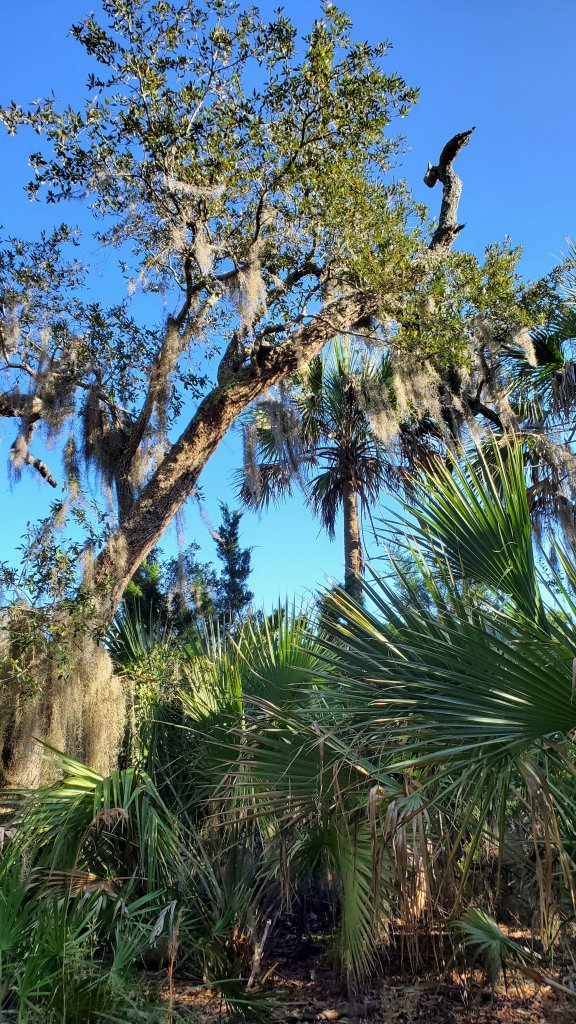
Spanish moss: It is a flowering plant (angiosperm) in the family Bromeliaceae (the bromeliads) that grows hanging from tree branches in full sun through partial shade. Most known in the United States, it commonly is found on the southern live oak (Quercus virginiana) and bald cypress (Taxodium distichum) in the lowlands, swamps, and marshes of the mid-Atlantic and southeastern states, from the coast of southeastern Virginia to Florida and west to southern Arkansas and Texas.
Live oak: Quercus virginiana, also known as the southern live oak, is an evergreen oak tree endemic to the Southeastern United States. Though many other species are loosely called live oak, the southern live oak is particularly iconic of the Old South
 Louise and Brian McLeod Travel Blog
You must be logged in to post a comment.